7 Best Vertical CNC Machines for Sale in 2026
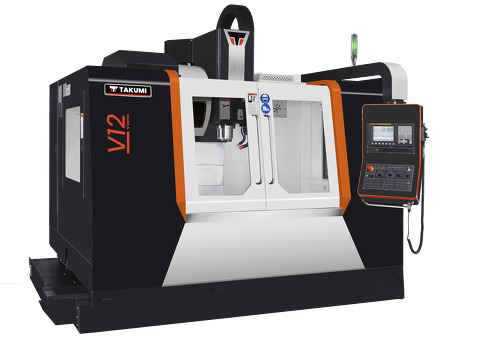
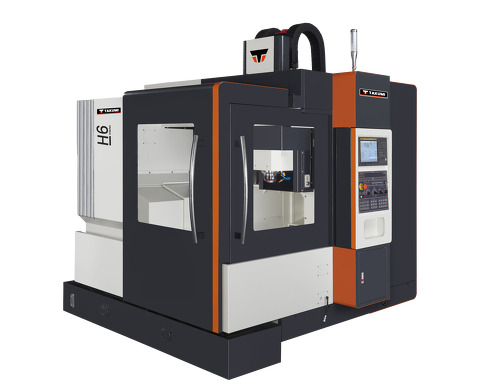
Choosing a vertical cnc machine in 2026 is less about chasing the biggest spindle number and more about matching capacity to real work. Part dimensions, material, tolerance, and daily shift length matter. A compact aluminum bracket job has different needs from a heavy steel housing. That distinction is easy to miss. Small details count. Door clearance, table load, tool-change time, and service access can shape output as much as advertised rapid traverse. This guide compares seven machines for sale in 2026, focusing on practical fit rather than brochure claims. Specifications can vary by configuration and region, so verify them with the seller.
The picks are a starting point, not a substitute for a shop-floor assessment. Compare usable X, Y, and Z travel with your largest part and fixture installed. Check spindle torque at the speeds you actually use, not only peak horsepower. Then review control familiarity, probing options, chip evacuation, and local service response. Ask each seller for a written configuration, installation scope, warranty terms, and references from similar applications. If possible, run a sample cut using your material and tooling. Real chips tell you something. Price alone can mislead. A lower quote may omit installation, coolant equipment, or options needed for repeatable production. Likewise, an advanced control is not automatically the right fit for every team. The best choice depends on your parts, operators, budget, and nearby support.
Vertical CNC Machine Basics: 3-Axis and 5-Axis VMC Configurations
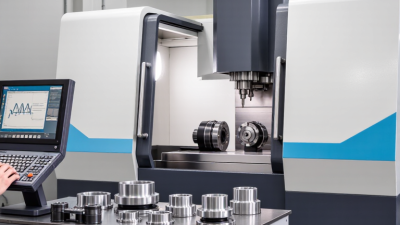
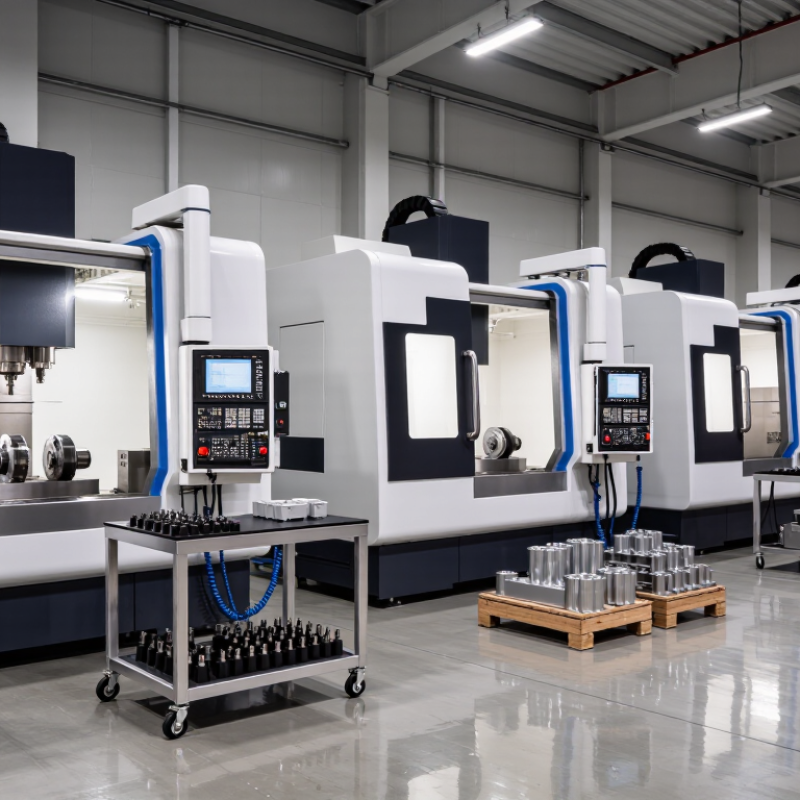
A vertical machining center places its spindle above the workpiece, making setup and chip access straightforward for many prismatic parts. In a 3-axis configuration, the tool moves along X, Y, and Z while the part stays fixed. This suits pockets, drilled holes, and flat faces, though angled features may require repositioning. Simple. Check whether the machine’s travel and spindle clearance fit the actual fixture, not just the part dimensions.
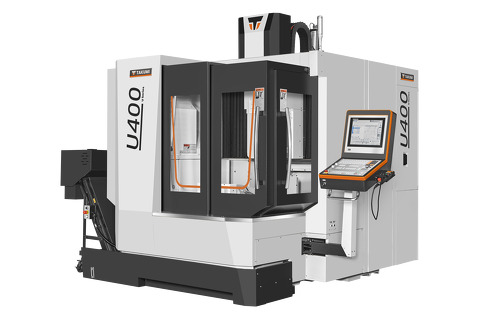
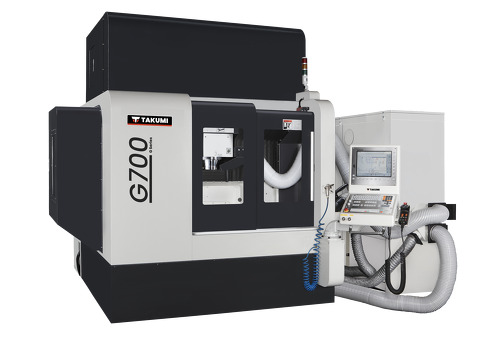
A 5-axis VMC adds two rotary movements, allowing the tool or workpiece to approach several faces without repeated manual setups. In simultaneous machining, all five axes can move together; indexed machining positions the rotary axes, then cuts with the linear axes. Fewer setups can reduce alignment errors, but rotary tables occupy space and may limit workpiece size. Complex programming and collision checks matter.
For purchase planning, compare sample-part cycle time, usable work envelope, and operator training needs. The Manufacturing Institute and Deloitte’s 2024 report projected 3.8 million U.S. manufacturing job openings by 2033, with 1.9 million potentially unfilled. That finding is not CNC-specific, but it makes control usability and training support practical selection criteria. A capable machine can still disappoint when setup routines are hard to teach.
Compare 7 VMCs by X/Y/Z Travel, Spindle Speed, Taper, and Tool Capacity
7 Best Vertical CNC Machines for Sale in 2026
A useful comparison of seven vertical machining centers starts with the workpiece, not the sales headline. Check X, Y, and Z travel against your largest part, fixture, and tool assembly. A machine with generous X travel may still lack Z clearance for a tall setup. Record all three figures side by side. Small differences matter.
Spindle speed and taper shape the cutting choices. Higher speed can suit small-diameter tools and lighter cuts, while demanding materials may call for torque at lower speeds. Taper size affects tool rigidity and compatibility, so confirm it matches your existing holders. Then compare tool capacity with the jobs you actually run. More pockets can reduce tool changes, but unused capacity adds little value. I would not rank machines by one headline number; I have seen specifications look persuasive while leaving practical clearance unclear. Ask for the usable work envelope and spindle torque curve.
Tips: Verify travel with the table, vise, and probe installed. Check tool-change time under real conditions. Request a cutting demonstration on a part similar to yours. Then compare service access and maintenance requirements, too.
Seven Best Vertical CNC Machines for Sale in 2026 by Shop Application
A useful 2026 shortlist should match a vertical CNC machine to the work your shop actually runs. For a compact job shop, prioritize a small footprint, quick setup, and easy access to the work area. For repeat production, compare tool capacity, chip removal, and cycle consistency. A fast spindle looks attractive, but it cannot compensate for poor fixturing. Small details matter.
Heavy components call for a rigid frame, a suitable table load, and enough travel to clear the part and fixture. High-speed cutting favors responsive motion and effective thermal control. Mold work often benefits from precise contouring and a spindle suited to finishing tools. For complex parts, a five-axis machine can reduce setups, though programming and operator training add real costs. Not a shortcut.
Large-part shops should check usable travel, table dimensions, and machine access before comparing sale prices. A stated axis range may not leave room for clamps or tool changes. Ask for a cutting demonstration with representative material, then review the finished surface and measured features. One compromise is normal: the machine best for flexible, one-off work may not deliver the lowest cost per part in long production runs. Choose among seven candidates by application, service support, and the jobs expected over the next few years.
Validate Accuracy with ISO 230-2 Axis Tests and ISO 10791-7 Part Tests
When comparing vertical CNC machines for sale in 2026, ask for evidence beyond a polished sample part. ISO 230-2 evaluates positioning accuracy and repeatability of numerically controlled axes. A laser interferometer can reveal small errors along X, Y, and Z. Ask whether measurements were taken in both travel directions, after warm-up, and across the usable stroke. That matters.
A credible report should identify test conditions, measurement uncertainty, and axis-specific results. Look for deviations in micrometres, not just a pass statement. Check whether the machine was tested at a temperature close to your shop’s conditions. A cold machine may behave differently. This detail is easy to overlook.
ISO 10791-7 uses test pieces to assess machining-center performance through the parts produced. Review the specified workpiece, cutting setup, measured features, and inspection method. A milled square or contour can expose errors that axis tests alone may miss. Still, the result depends on tooling, material, and cutting parameters, so request those details too. Ask for raw data. If the report omits setup information, treat the result as incomplete—not necessarily false, but hard to compare fairly.
Build a 2026 Buying Checklist for Tolerance, Materials, and Production Volume
A strong 2026 buying checklist starts with the part, not the machine’s advertised maximum. Write down the tightest tolerance your drawings require and ask for a recent cut sample using similar geometry. Check whether the quoted accuracy applies across the full travel, under working conditions, and after the machine warms up. A neat specification sheet is useful, but it cannot replace measurement data. Small details matter.
Tips: Bring a real part drawing. Ask how the supplier verifies accuracy, and request the measurement method and test conditions. Keep the answer on record.
Match the spindle, tooling, and workholding to your materials. Aluminum may reward higher spindle speeds, while steel parts can need more torque and a rigid setup. For larger workpieces, check table load, travel, chip handling, and tool clearance. Then estimate production volume by shift, not by best-case cycle time. Include setup changes, tool swaps, inspection, and planned maintenance. A machine that finishes one sample quickly may struggle with repeated batches. Be honest about your forecast; mine would probably change after the first month. Compare service access and operator training needs, too. A lower purchase price can feel less attractive when a simple stoppage takes hours to resolve.
7 Best Vertical CNC Machines for Sale in 2026: A Buying Checklist for Tolerance, Materials, and Production Volume
Use these common milling tolerance targets as an initial screening guide when comparing vertical machining centers. They are planning references, not guaranteed machine specifications.
Buying checklist: Confirm tolerance capability with a representative test cut and acceptance criteria. Check that spindle speed, torque, tooling, and workholding suit your materials. For production volume, compare cycle time, tool capacity, uptime support, and options for pallet changing or automation.