


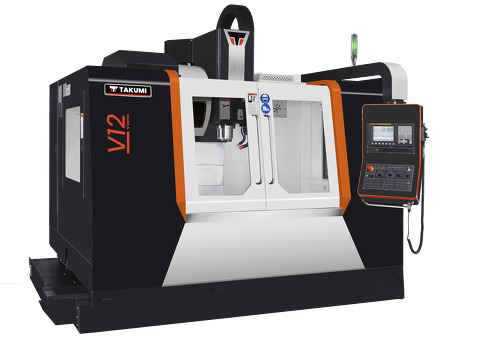
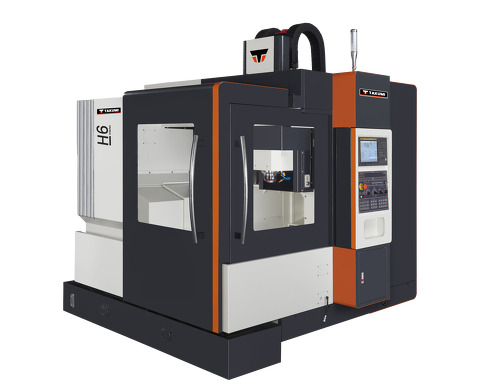
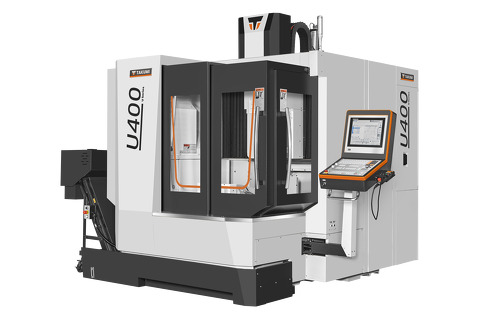
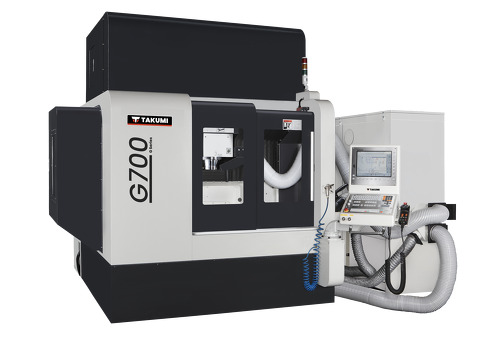
How to Choose the Best Vertical CNC Machine?
Choosing a vertical cnc machine is not simply a matter of comparing spindle speeds or purchase prices. It means matching the machine’s working envelope, accuracy, and capability to the parts your shop actually produces. A machine that looks impressive on paper may be a poor fit for a small production area. The best choice depends on your materials, tolerances, batch sizes, and operators’ experience. Details matter.
Start with the parts. Note their dimensions, typical materials, and the tightest tolerances they require. A compact machine may suit aluminum components, while heavier steel work can demand more rigidity and cutting capacity. Check the table size, tool capacity, spindle specifications, axis travel, and chip-management setup. Ask how the machine performs during sustained cutting, not only during a brief demonstration. A brochure cannot answer everything. Request sample-part results or arrange a test cut using a representative workpiece.
Operating costs deserve equal attention. Compare service access, control familiarity, tooling needs, energy use, and expected maintenance. Ask who provides training and how quickly replacement parts are available. If possible, speak with current users who machine similar components. Their day-to-day experience can reveal issues that a showroom visit will not. Still, even a careful checklist can miss something; production needs change, and quoted performance may depend on setup, tooling, and material. This guide explains how to weigh these factors and compare machines without assuming that the most expensive option is automatically the best.
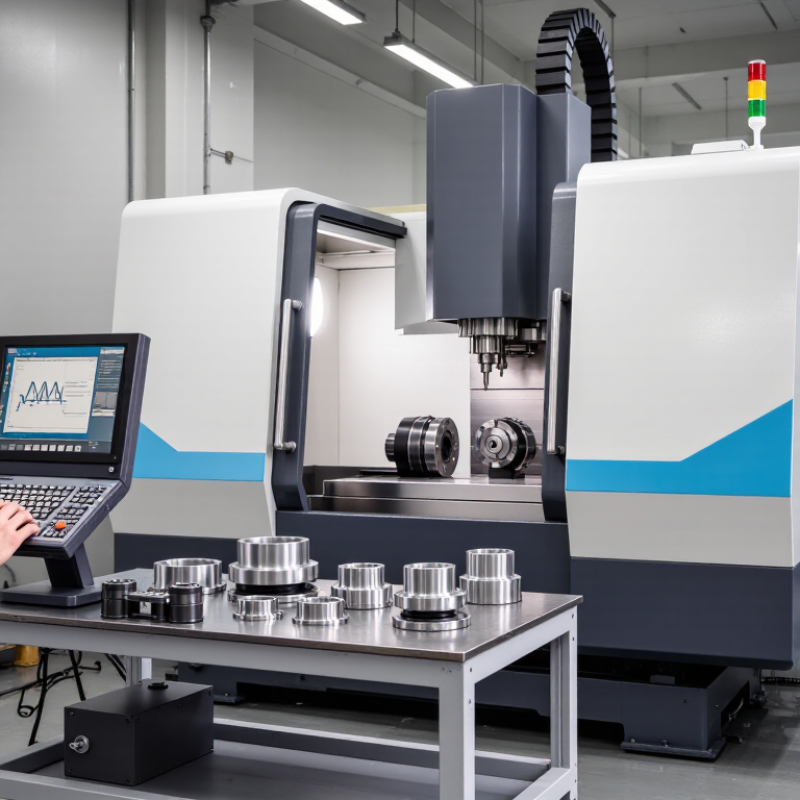
Define Your Machining Needs and Production Requirements
Before comparing vertical CNC machines, define the parts you actually need to make. Record their dimensions, materials, tightest tolerances, and typical batch sizes. A 500 mm aluminum housing and a small steel bracket place very different demands on spindle torque, cutting tools, and workholding. Measure the largest real part, not just the average one.
Then map those parts against the machine’s X, Y, and Z travel, table load, and spindle capabilities. Leave room for fixtures and tool access; a part that technically fits may still be awkward to machine. Consider how chips and coolant will be managed, especially during long cuts. Small details matter. Ask operators to estimate setup and changeover time, too. I have seen production plans look efficient on paper, then lose hours to fixture adjustments.
Production volume should shape the specification. Frequent short runs may benefit more from quick setups and flexible tooling than from maximum spindle speed. For steady batches, check tool capacity, chip removal, and expected duty cycle. Review sample cycle times with realistic cutting data, and confirm service support and operator training before committing. Estimates can be wrong. Revisit them after a trial part, because actual tool wear or clamping access may change the plan.
How to Choose the Best Vertical CNC Machine? — Define Your Machining Needs and Production Requirements
| Decision Factor | Questions to Define Your Need | Practical Planning Data | What to Look for in a Vertical CNC Machine |
|---|---|---|---|
| Part size and work envelope | What are the largest workpiece dimensions, including fixture and tool-clearance needs? | Compare the part’s length, width, and height with the machine’s X, Y, and Z travels and table dimensions. Leave room for clamping and tool approach. | Choose travels and table capacity that accommodate the complete setup, not just the bare part. Check maximum workpiece weight and table-load limits. |
| Part materials | Will you machine aluminum, steel, stainless steel, cast iron, or other materials? | Material hardness, toughness, and chip characteristics affect cutting forces, tool wear, spindle load, and coolant requirements. | Match spindle power, torque, rigidity, tooling, and coolant delivery to the materials and cutting strategies used most often. |
| Part geometry and tolerances | Do parts require deep pockets, long tools, fine finishes, or tight dimensional tolerances? | Review the tightest tolerances, surface-finish requirements, feature depths, and number of setups in the current process. | Assess machine rigidity, positioning accuracy, repeatability, thermal management, probing options, and the tool reach needed for deep features. |
| Production volume | How many parts are required per shift, month, or year? Is demand steady or variable? | Estimate cycle time, setup time, planned operating hours, and required output. Include time for tool changes, inspection, and routine maintenance. | For frequent production, consider an automatic tool changer, suitable tool capacity, reliable chip handling, and automation interfaces where justified. |
| Part mix and changeovers | Will the machine run one recurring part or a variety of jobs and batch sizes? | Frequent changes in parts, fixtures, or programs increase setup and changeover demands. | Look for accessible workholding, easy program transfer, probing support, and controls that suit the team’s programming and setup workflow. |
| Spindle and cutting requirements | What tools, cutter diameters, cutting speeds, and material-removal rates are typical? | Required spindle speed and torque depend on the tool, material, and operation. High-speed aluminum finishing and heavy steel cutting can favor different spindle characteristics. | Compare spindle speed, power, torque curve, taper, and allowable tool size against actual cutting data—not peak power alone. |
| Tool capacity and change time | How many tools are needed for a typical job, including backup and special-purpose tools? | Count tools used across common programs and account for tool-length and tool-diameter limits. | Select a tool magazine with adequate capacity and verify the stated tool-change time, magazine layout, and compatibility with the planned tooling. |
| Chip and coolant management | How much chip volume is produced, and do chips tend to be long, stringy, or abrasive? | Chip shape and volume depend on the material, tool geometry, and cutting conditions. Poor evacuation can interrupt machining and affect finish. | Evaluate coolant delivery, chip flushing, chip-pan design, and whether a chip conveyor or filtration system is appropriate for the application. |
| Workholding and setup | Will parts use vises, dedicated fixtures, pallets, or multiple setups? | Fixture height and clamping arrangement reduce usable Z clearance and may limit tool access. | Confirm table-slot or mounting compatibility, fixture clearance, clamping access, and whether palletization would reduce changeover time. |
| Accuracy and inspection | How will parts be measured, and how often must dimensions be checked? | Inspection needs depend on tolerance, part complexity, and process capability requirements. | Consider spindle probing, tool measurement, temperature control, and the inspection method needed to verify parts consistently. |
| Floor space and utilities | What space, electrical supply, compressed air, and coolant services are available? | Installation needs include the machine footprint plus room for loading, maintenance access, chip handling, and operator movement. | Check the installation drawing, total connected power, air requirements, floor-loading limits, and service-clearance recommendations. |
| Support and operating cost | What maintenance skills, service response, and operating budget are available? | Total ownership cost includes tooling, energy, consumables, maintenance, training, and downtime—not only purchase price. | Compare maintenance access, documentation, training, spare-parts availability, and expected service arrangements for the operating location. |
Note: Machine capacities and specifications vary by model. Confirm travel, table load, spindle performance, accuracy, and installation requirements against the manufacturer’s technical documentation and your actual parts and process plans.
Related Posts
-

Essential Checklist for Choosing Your Perfect 3 Axis Milling Machine
-
Unlocking Precision Engineering with the Power of 3 Axis Milling Machines
-
How to Choose the Best 3 Axis Milling Machine for Your CNC Projects
-

2026 Top 3 Axis Milling Machine Innovations and Trends?
-
Ultimate Guide to the Top Five Vertical CNC Machines Compared for Best Performance
-
Unlocking the Technical Specifications of the Best Vertical CNC Machine for Peak Performance