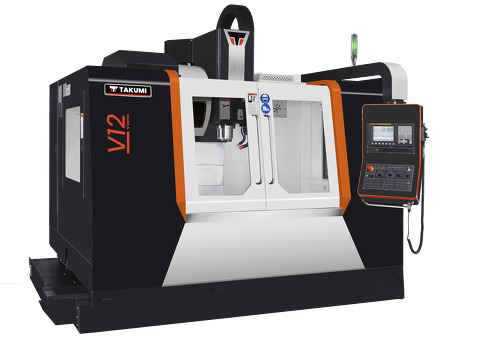
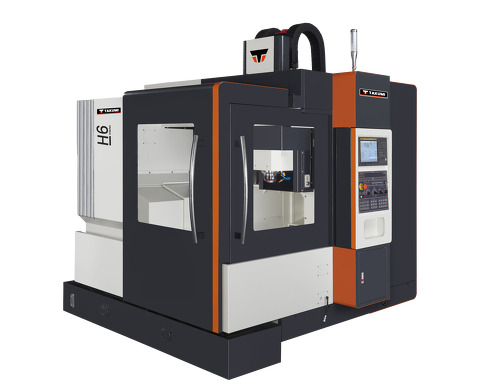
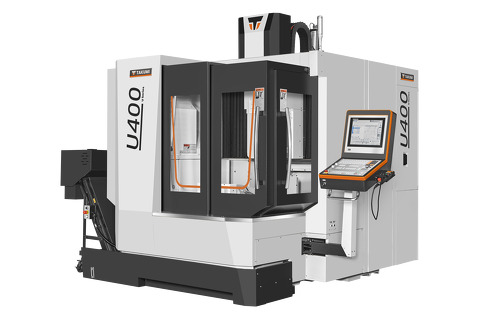
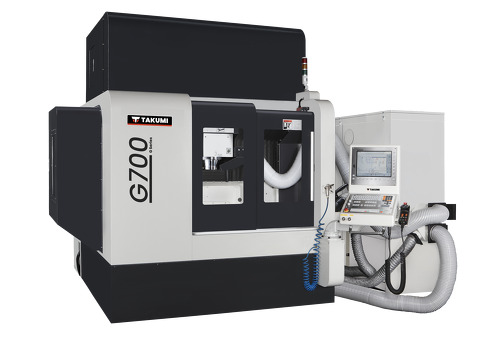
High-speed CNC machining can turn a long, vibration-prone cut into a faster, controlled process. The benefit is not simply a higher spindle speed. It comes from balancing cutting tools, toolpaths, machine rigidity, and cooling for the material at hand. On a shop floor, that can mean shorter cycle times, cleaner contours, and less time waiting between operations. Every setup is different.
The wider manufacturing case for advanced production is strong. Deloitte and the Manufacturing Institute’s 2024 Smart Manufacturing and Operations Survey found that 86% of surveyed manufacturers expected smart manufacturing to be a primary driver of competitiveness within five years. That survey covers smart manufacturing broadly, not high-speed CNC specifically. Still, it shows why shops are investing in capable, data-informed processes. Results depend on the job.
For aerospace brackets, medical components, or aluminum housings, high speed cnc may improve throughput while holding tight tolerances. But speed alone can amplify chatter, heat, tool wear, or poor chip evacuation. A rushed parameter change can cost more than it saves. That matters. Buyers should compare cycle time, surface finish, scrap rates, and tooling costs—not spindle RPM alone. Ask how the shop validates feeds and speeds, monitors tool condition, and inspects the finished part. The honest answer may be that high-speed machining is not the best choice for every geometry or alloy. Its value is proven on the part, with measured results.
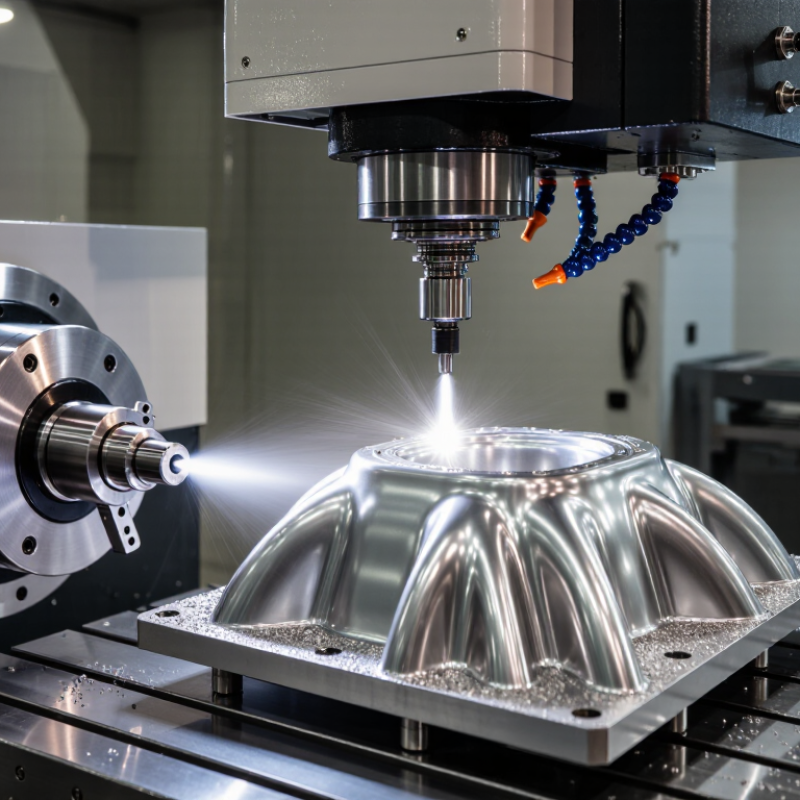
High-speed CNC machining is a cutting approach that removes material quickly while maintaining controlled tool movement and accuracy. It is not simply a matter of increasing spindle speed. The machine, cutting tool, material, and programmed toolpath must work together.
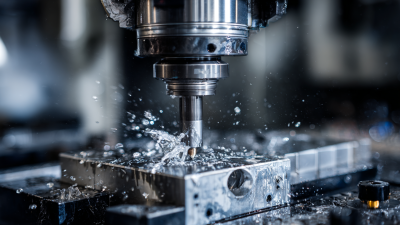
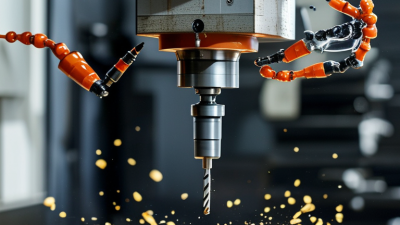
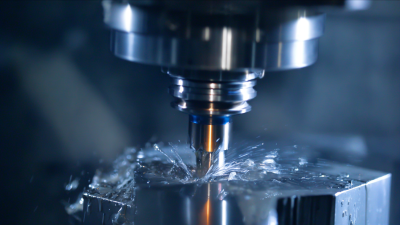
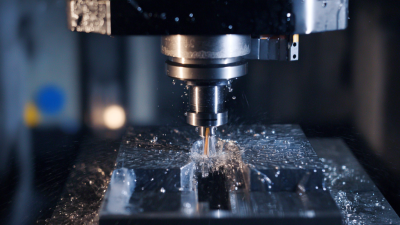
A small end mill may rotate rapidly while following shallow, steady passes across an aluminum block. The goal is consistent cutting, not speed for its own sake. The phrase can sound more exact than it is: suitable speeds depend on the material, tool diameter, and setup.
In practice, the machine may use fast feed rates and frequent direction changes, with careful control of tool engagement. This can reduce machining time and help create smooth surfaces, especially on complex parts. But heat and vibration still matter. A loose fixture or worn tool can spoil the finish, even on a powerful machine.
Not always faster.
Operators check chip shape, sound, and surface quality during a run, then adjust settings when needed. That hands-on judgment is easy to overlook, and programmed values may need refinement after the first cut.
High-speed CNC machining begins with a digital part model and a careful review of its material, geometry, and tolerances. CAM software turns that model into toolpaths, which guide the cutting tool across the workpiece. The programmer sets spindle speed, feed rate, tool engagement, and cutting depth. These settings must work together: high spindle speed alone does not make a process efficient. High-speed strategies often use fast feeds and relatively shallow cuts to keep the tool engaged predictably. Small details matter. Tool length, fixture stiffness, and chip removal can all affect the result.
Before cutting, the operator checks the setup and simulates the toolpath to spot collisions or abrupt movements. The machine then follows the programmed path, while the spindle and cutting tool remove material in controlled passes. A stable fixture helps prevent vibration, and suitable coolant or air flow clears chips from the cutting area. Even a clean simulation is not proof that the process will run perfectly. A tool may chatter, or chips may collect in a narrow pocket, so operators inspect the first cut and adjust cautiously. That feedback can improve surface finish and protect the tool, but each material and part geometry may need different settings.
How higher cutting speed increases spindle speed and feed rate in a calculated aluminum milling example.
Example calculation for a 10 mm, two-flute cutter with a feed per tooth of 0.05 mm. Raising cutting speed from 300 to 600 m/min doubles the calculated spindle speed (about 9,549 to 19,099 rpm) and feed rate (about 955 to 1,910 mm/min). Actual settings depend on the machine, tool, and material; always follow tooling and machine limits.
Why Choose High Speed CNC Machining?
Key Benefits of High-Speed CNC Machining
High-speed CNC machining can shorten production cycles by removing material quickly and keeping cutting paths efficient. For a small aluminum bracket, that may mean less time between a digital design and a finished part. Shorter cycles can help workshops meet tight schedules, though setup and inspection still take time. Speed is only useful when the process stays controlled.
A well-tuned machine can also produce clean surfaces and consistent dimensions. That matters on parts with narrow slots, thin walls, or holes that must line up during assembly. Smooth finishes may reduce the need for sanding or other secondary work. Small details matter. Tool condition, workholding, and cutting parameters all affect the result; a worn tool can leave marks even during a fast run.
High-speed cutting can reduce cutting forces in some applications, which may help protect delicate features. It can also improve material efficiency when toolpaths are planned carefully. But faster is not always better. Excessive heat, vibration, or rushed setup can undermine accuracy and shorten tool life. A practical machining plan balances cycle time with material behavior, part geometry, and inspection needs. That balance is easy to overlook.
Why Choose High Speed CNC Machining?
Materials and Parts Suited to High-Speed Machining
High-speed machining suits materials that tolerate rapid cutting while producing manageable heat and chips. Aluminum alloys are common candidates: their relatively low cutting resistance supports fast tool movement and clean surface finishes. Technical machining references, including ASM Handbook, Volume 16: Machining, show that cutting speeds vary widely by alloy and tooling; aluminum operations may reach around 1,000 metres per minute or more. Treat that as a working range, not a promise. A thin-walled aerospace bracket can benefit from short cutting times, but poor fixturing may still cause chatter or distortion.
Some steels also suit high-speed cutting, especially when the setup is rigid and the tool grade matches the material. In practice, steel cutting speeds are often far below those used for aluminum; published machining data commonly place high-speed steel work in the hundreds of metres per minute. Heat-resistant alloys and titanium need more caution because heat concentrates near the cutting edge. A 2021 review in CIRP Annals on high-performance machining discusses this challenge: greater speed can raise productivity, but tool wear and thermal damage can offset the gain. Small pockets, thin ribs, and precise contours are strong applications. Still, speed alone can mislead. Material condition, toolpath, coolant strategy, and machine rigidity decide whether the cut remains stable.
Choosing high-speed CNC machining starts with the part, not the spindle’s maximum RPM. Match cutting speed to the material, cutter diameter, tool coating, and required finish. Aluminum may benefit from aggressive speeds, while hard alloys can generate heat quickly and shorten tool life. Check spindle power across its operating range, not just its peak rating. A light spindle can reach impressive speeds yet struggle with deep cuts. Rigidity matters.
Review the machine’s thermal stability, tool runout, workholding, and chip evacuation. A warm spindle can shift dimensions; a long, slender tool can chatter against a thin wall. Ask for test cuts using your material and representative geometry, then inspect cycle time, surface finish, and dimensional variation. Small details matter.
Deloitte and MAPI’s 2024 Smart Manufacturing Survey reported that 86% of manufacturing executives expect smart manufacturing to improve competitiveness within five years. That supports checking whether a machine can provide reliable process data and monitoring, not just fast motion. But that figure does not prove a high-speed machine will suit every shop.
I would also compare maintenance needs, operator skills, and total cost per acceptable part. Faster is not always better. A short trial may reveal that a slower, stable setup produces less scrap and more predictable output.