Menü öffnen Menü schließen

What Are the Top Types of CNC Centers?

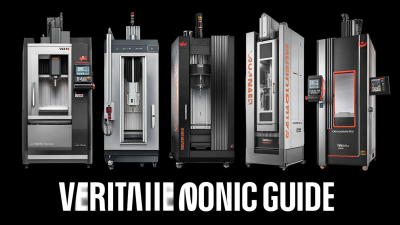
Choosing the right CNC center begins with the part, not the machine’s price tag. A compact vertical machining center may suit aluminum brackets, while a horizontal model can handle deep cavities and repeated production more efficiently. Turning centers excel at shafts, bushings, and round components. Mill-turn centers combine operations, reducing handling between setups. Five-axis machines add movement, but they also demand stronger programming skills and careful fixture planning.

Peter Zelinski, editor-in-chief of Modern Machine Shop, has often stressed a practical truth: “The machine is only one part of the manufacturing process.” That perspective matters when comparing CNC center types. Spindle speed, axis travel, tool capacity, coolant delivery, control software, and operator experience can change the final result. A five-axis center may look impressive. It may still be the wrong choice for a simple production job.

This guide examines the top types of CNC centers and explains where each one performs best. It considers accuracy, accessibility, cycle time, maintenance, and total operating cost. Real workshop details matter here: chip evacuation in a horizontal center, fixture clearance on a five-axis table, and tool changes during long unattended runs. No classification is perfect. Manufacturers use different names, and machine capabilities often overlap. That confusion deserves attention. The goal is not to promote one design, but to help engineers and buyers match a CNC center with material, geometry, production volume, and available skills.

What Are the Top Types of CNC Centers?

Understanding CNC Centers and Their Core Functions

What Are the Top Types of CNC Centers?

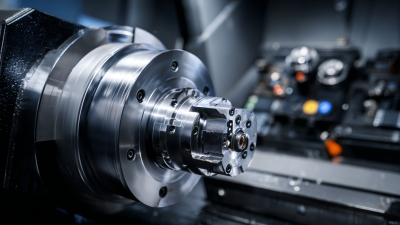
Understanding CNC centers begins with their core functions. These machines control cutting tools through programmed movements. They shape metal, plastic, and other materials with repeatable accuracy. A CNC turning center rotates the workpiece while a tool removes material. It suits shafts, bushings, threads, and cylindrical parts.

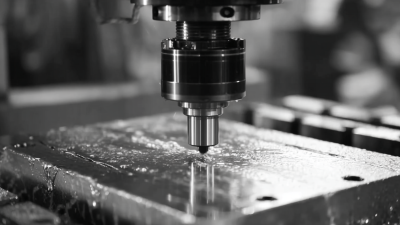
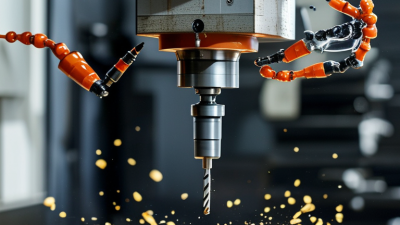
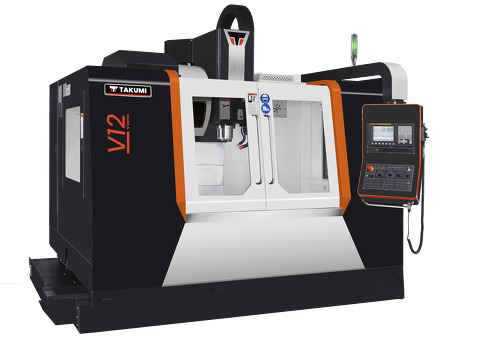
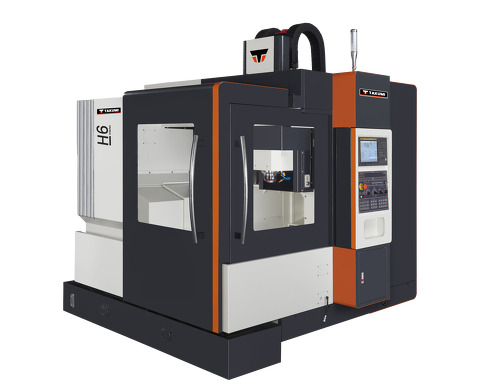
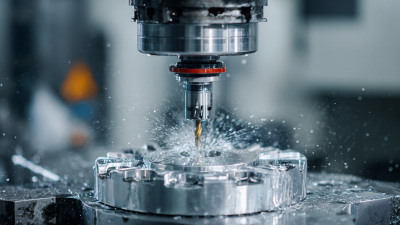
A CNC machining center usually holds the cutting tool in a spindle. Its worktable supports milling, drilling, tapping, and boring operations. Vertical machining centers offer clear access from above. They work well for plates, molds, and general components.

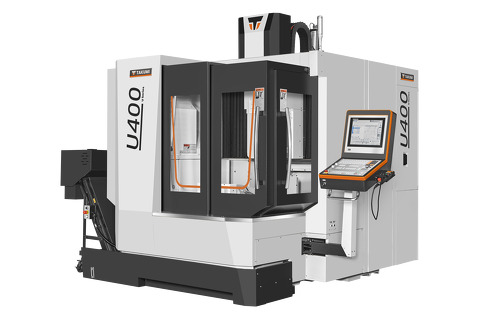
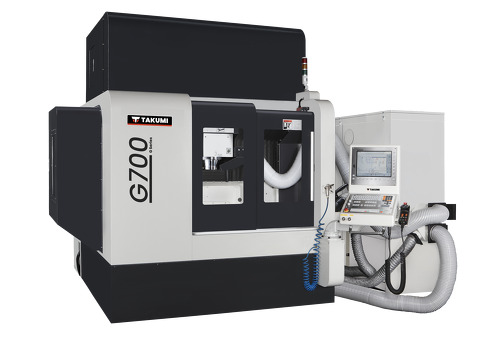
Horizontal machining centers improve chip removal and support multiple faces. They often reduce repositioning during production. Five-axis centers add tool movement around complex surfaces. They can produce curved aerospace or medical components with fewer setups.

The machine type should match the part, material, tolerance, and production volume. A turning center may be inefficient for a flat housing. A vertical center may struggle with deep internal features. In practical workshops, fixture design often affects results as much as machine capacity. Small errors in workholding can create visible alignment problems. No setup is perfect. Operators must inspect the first part and adjust cautiously. Tool wear, coolant flow, vibration, and spindle speed also require regular attention. A center with impressive specifications can still perform poorly when programming or maintenance is neglected.

How CNC Centers Are Classified by Axis and Spindle Layout

What Are the Top Types of CNC Centers?

How CNC Centers Are Classified by Axis and Spindle Layout

CNC centers are mainly classified by axis count and spindle orientation. It starts with geometry. A three-axis vertical center moves along X, Y, and Z. It suits plates, pockets, drilling, and general prismatic parts. A fourth axis adds rotary positioning. This reduces repeated clamping and improves access to side features. Five-axis centers tilt and rotate the workpiece during cutting. They support turbine blades, medical forms, and complex molds.

Spindle layout creates another practical division. Vertical machining centers place the spindle above the table. Operators gain clear visibility and simpler chip removal. Horizontal centers position the spindle sideways. Their pallets often rotate, while gravity helps chips leave deep cavities. That choice matters. In a 2024 market analysis, Grand View Research projected CNC machine demand to grow at over 8% annually through 2030. The forecast reflects wider adoption, but it does not mean every shop needs five axes.

Turning centers use a rotating workpiece and a cutting tool moving across it. Mill-turn centers combine turning and milling in one setup. According to the International Federation of Robotics’ World Robotics 2024 report, 542,000 industrial robots were installed globally in 2023. That figure supports the move toward connected, less manual production cells. Still, classification can mislead. A five-axis machine may perform poorly with weak fixturing, long tools, or poor chip control. In real production, spindle reach, rigidity, calibration, and operator experience can matter more than the axis count.

What Are the Top Types of CNC Centers?

How CNC centers are classified by axis and spindle layout

CNC centers are commonly classified by the number and type of controlled axes, as well as by spindle orientation. A standard 3-axis vertical machining center uses three linear axes: X, Y, and Z. Four- and five-axis machines add one or two rotary axes for machining angled and complex surfaces. Turning centers typically use two primary linear axes, X and Z, while the spindle rotates the workpiece. Vertical and horizontal machining centers describe whether the spindle is arranged vertically or horizontally.

The Main Types of CNC Centers and Their Typical Uses

What Are the Top Types of CNC Centers?

The Main Types of CNC Centers and Their Typical Uses

CNC centers are selected by part geometry, material, volume, and tolerance. The main types are vertical machining centers, horizontal machining centers, turning centers, and multi-tasking centers. Vertical machining centers place the spindle above the workpiece. They suit dies, plates, housings, and general prismatic parts. Operators can see the cutting area clearly. That matters during setup.

Horizontal machining centers use a side-mounted spindle and pallet systems. They remove chips more effectively from deep cavities. These machines fit automotive components, pump bodies, and repeated production work.

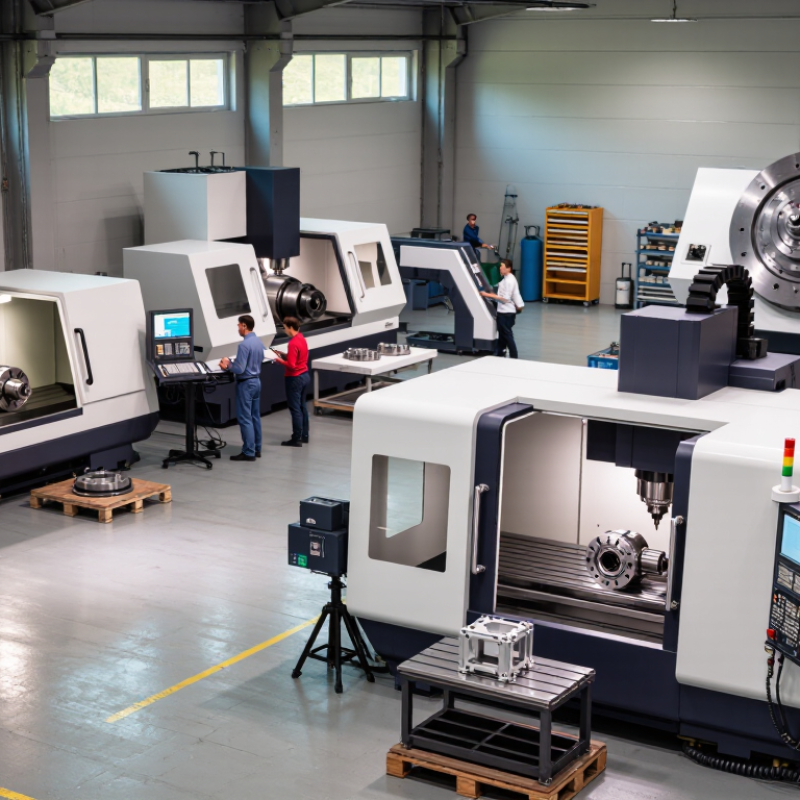
Turning centers rotate the workpiece against a cutting tool. They produce shafts, bushings, threads, and precise cylindrical surfaces. Live tooling can add drilling and milling operations.

Multi-tasking centers combine turning, milling, drilling, and sometimes grinding in one setup. They reduce handling and alignment errors. However, they cost more and require stronger programming skills. The boundary is not always clean. Some machines overlap in capability.

A 2024 Grand View Research report estimated the global CNC machine market at more than 88 billion dollars in 2023, with continued growth through 2030. MarketsandMarkets also identifies automation and higher production flexibility as major demand drivers. These figures describe the wider CNC market, not every center type separately. That distinction is important.

A common shop-floor mistake is choosing the most capable machine, rather than the best-matched machine.
Key Differences Among CNC Center Types

What Are the Top Types of CNC Centers? Key Differences Among CNC Center Types

Vertical machining centers place the spindle above the workpiece. They suit molds, plates, and general prismatic parts. Their compact footprint and lower setup cost make them common in small and mid-sized workshops. Horizontal machining centers rotate the spindle sideways. They remove chips more effectively and often improve access to multiple faces. That matters when a part needs several operations. A 2024 Fortune Business Insights report valued the global CNC machine market at approximately $88.5 billion in 2023. This growth reflects demand for flexible, automated production, not one universal machine type.

Five-axis machining centers tilt the tool or workpiece across several axes. They reduce repositioning and can produce smoother aerospace, medical, and turbine surfaces. However, programming, fixturing, and inspection become more demanding. Turning centers rotate the workpiece instead of the cutting tool. They are practical for shafts, bushings, and threaded components. Some combine turning and milling, but their higher purchase and maintenance costs need careful justification. In my view, many buying decisions focus too heavily on axis count. That assumption can fail. A well-configured three-axis center may outperform a poorly planned five-axis cell. The International Federation of Robotics reported 541,302 industrial robot installations worldwide in 2023, showing how automation increasingly surrounds CNC equipment. Yet automation does not fix weak process planning. Cycle time, tolerance, material, floor space, operator skill, and inspection capability should decide the center type. The boundary is not always clean.

How to Choose the Right CNC Center for a Manufacturing Task

What Are the Top Types of CNC Centers?

Choosing the right CNC center starts with the part, not the machine catalog. Study the material, tolerance, batch size, and required operations.

A two-axis turning center suits shafts, bushings, and other round components. A vertical machining center handles plates, housings, and general prismatic parts. Horizontal centers improve chip evacuation and support multi-face production. Five-axis centers reduce repositioning, which helps with complex aerospace or medical geometries.

Mill-turn centers combine turning, milling, drilling, and threading in one setup. They can reduce handling time, but their programming demands are higher. Review the operator’s actual experience. A technically powerful machine can become expensive idle capacity. That lesson is easy to miss.

The 2024 Smart Manufacturing and Operations Survey reported that 86% of manufacturers expect smart manufacturing to drive competitiveness within three years.

This supports selecting centers with reliable data connectivity, tool monitoring, and maintenance feedback. Still, connectivity should serve production goals, not decorate a proposal. The World Robotics 2024 report recorded 541,302 industrial robots installed globally in 2023. For lights-out or high-volume work, check robot access, pallet changing, guarding, and communication standards before purchase.

Ask for a realistic trial part. Measure cycle time, surface finish, tool wear, setup minutes, and inspection effort. Include coolant, energy, fixturing, and training costs.

My own preference is to compare three production scenarios, because one “average” part can hide serious weaknesses. A cheaper center may win the quote and lose the schedule.