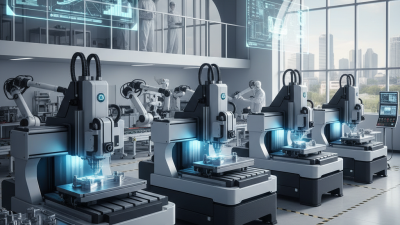
Why Precision CNC Machining Is Essential for Modern Manufacturing?
In today's fast-paced manufacturing landscape, precision CNC machining plays a pivotal role. According to a report by the National Institute of Standards and Technology, precision machining accounts for nearly 30% of the total manufacturing output in the United States. This highlights its significance in producing high-quality parts across various sectors, including aerospace, automotive, and medical industries.
Precision CNC machining ensures tight tolerances and repeatability. This technology enables manufacturers to produce complex geometries that traditional methods struggle to achieve. For instance, companies utilizing CNC machining report a 40% increase in production efficiency compared to manual methods. However, the reliance on this technology also poses challenges. Not all manufacturers have access to the latest CNC systems, which can create disparities in production quality.
The evolving demands of modern products necessitate a shift towards precision CNC machining. Manufacturers must embrace this technology to remain competitive. However, investing in CNC machinery requires capital and expertise. Organizations must weigh these factors carefully. Ensuring adequate training and maintenance is essential for maximizing the benefits of precision CNC machining.
The Definition and Principles of Precision CNC Machining
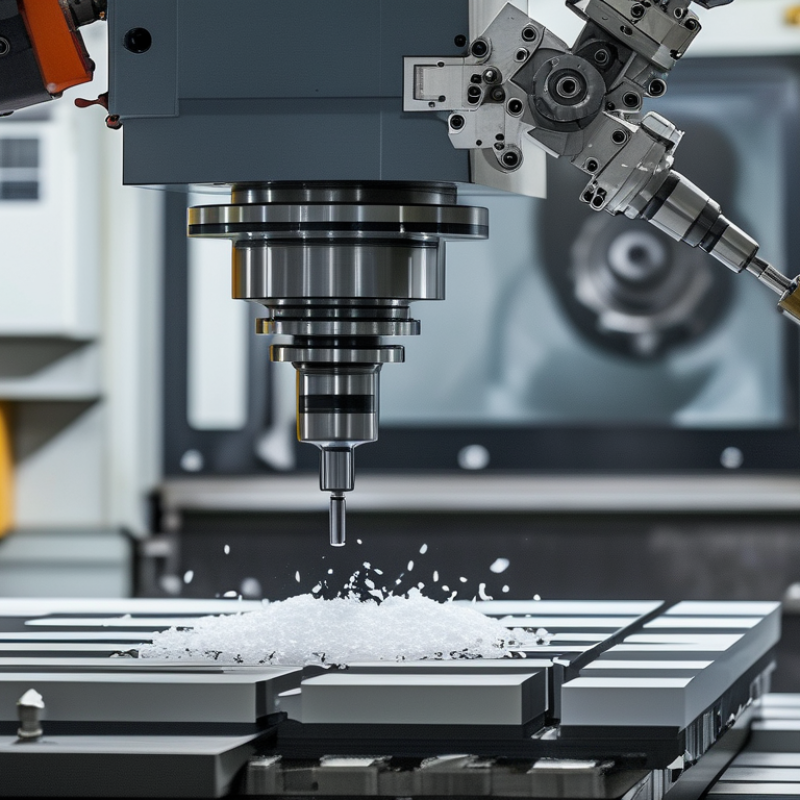
Precision CNC machining is a critical technology in modern manufacturing. This process ensures high accuracy and consistency in producing complex parts. CNC, or Computer Numerical Control, uses programmed commands to control machinery. This leads to the repeatable production of intricate designs that are vital in industries such as aerospace, automotive, and medical devices. According to industry reports, companies implementing CNC machining can improve productivity by 25% and reduce waste by up to 40%.
The principles of precision CNC machining revolve around accuracy, speed, and scalability. The machines operate using CAD (Computer-Aided Design) files, allowing for detailed and precise computations. With tolerances often smaller than 0.01 mm, the results meet rigorous industry standards. However, despite the technological advances, human oversight remains critical. Operators must regularly calibrate the machines to maintain precision.
Tips: Regular training for operators can enhance machine efficiency. Ensuring routine maintenance helps sustain performance over time. Keep an eye on the latest advancements; they can inform your practices. High-quality tooling is just as essential as technology; poor tools lead to imperfections. Balancing innovation with practical applications is essential for success. Reflecting on operational gaps can lead to improvements and greater precision in machining processes.
Key Technologies Used in Precision CNC Machining
Precision CNC machining utilizes advanced technologies to enhance manufacturing processes. One key technology is the Computer Numerical Control (CNC) system, which automates machine tools. This system ensures high accuracy and repeatability. The precise control allows for intricate designs and components, crucial in industries like aerospace and medical devices.
Another significant aspect is the use of multi-axis machining. This technology enables complex geometries to be created in a single setup. It reduces the need for additional setups, saving time and increasing efficiency. However, mastering multi-axis machining requires skill. Operators must understand the intricacies of tool paths and workpiece positioning.
Additionally, high-speed machining plays a critical role. It allows for faster production rates without sacrificing quality. The heat generated during high-speed cuts must be managed effectively. If not, it can lead to tool wear or part deformation. Balancing speed with precision can be challenging, prompting continuous improvement and learning. Embracing new technologies is essential, yet manufacturers must also reflect on their methods and remain adaptable.
Advantages of Precision CNC Machining in Manufacturing
Precision CNC machining has become a cornerstone in modern manufacturing due to its numerous advantages. This advanced technology allows for high-quality precision that is critical in creating components for various industries, such as aerospace and automotive. According to a report by the National Institute of Standards and Technology, precision machining can improve production efficiency by as much as 60%. This increase is largely due to reduced waste and enhanced speed in manufacturing processes.
One notable advantage is the ability to produce complex geometries with tight tolerances. For instance, parts can be made to within ±0.002 inches. This level of accuracy is essential for ensuring seamless assembly and operational reliability. However, achieving this precision isn’t without challenges. Manufacturers must invest in skilled operators and up-to-date technology, which can significantly raise initial costs. The complexity of programming CNC machines may also pose a barrier for some manufacturers.
Reliability in the production of high-volume parts is another key benefit. The consistency in quality leads to fewer defects and reduced downtime. A study from the Manufacturing Technology Institute indicates that manufacturers using precision CNC machining report a 30% decrease in production errors. Nevertheless, ongoing training is vital, as the technology evolves and demands increasingly sophisticated programming skills. Continuous investment in workforce skills and technology optimization is crucial for maintaining competitiveness.
Applications of Precision CNC Machining Across Various Industries
Precision CNC machining has become a cornerstone in various industries. From aerospace to healthcare, its applications are vast and critical. For instance, the aerospace sector relies heavily on precision components to ensure safety and performance. According to a recent report by industry analysts, over 70% of aircraft parts are produced using CNC machining processes. This technology allows manufacturers to achieve tolerances as tight as ±0.005 mm, a requirement for high-stakes environments.
In the medical industry, CNC machining creates custom implants and surgical instruments. These components must meet stringent regulatory standards. A significant study found that precision machining reduces manufacturing errors by up to 90%. This improvement directly enhances patient safety and operational efficiency. However, operating CNC machinery requires skilled labor. The industry faces a skills gap, which can lead to inconsistencies in product quality.
When engaging with precision CNC machining, consider these tips: first, always verify the credentials of your machining partner to ensure expertise. Investing in training for operators can mitigate production errors. Lastly, regularly review machining processes to identify areas for improvement. Embracing precision CNC technology involves ongoing learning and adaptation, which is essential in today's rapidly evolving manufacturing landscape.
Applications of Precision CNC Machining Across Various Industries
This chart illustrates the distribution of applications of precision CNC machining across different industries. The data highlights how essential precision CNC machining is in various sectors such as Aerospace, Automotive, Medical, Electronics, and Industrial Equipment.
Future Trends in Precision CNC Machining and Their Implications
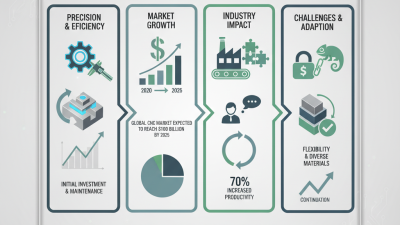
The future of precision CNC machining is shaped by advancements in technology and changing market demands. According to a report by MarketsandMarkets, the CNC machining market size is projected to reach $100 billion by 2026, growing at a CAGR of 7.3%. This reflects the increasing reliance on precise manufacturing across diverse industries such as aerospace, automotive, and healthcare.
As technologies evolve, integrating automation and artificial intelligence into CNC machining processes will be vital. Machines that can self-correct and optimize their operations could significantly reduce waste and downtime. However, this shift also presents challenges. The workforce needs to adapt and upskill to handle these advanced systems, which can cause transitional disruptions.
The push for sustainability is becoming integral in CNC machining. More manufacturers seek to minimize their environmental footprint. Recent innovations in machine tools are designed to consume less energy and generate less waste. Yet, achieving these goals may require substantial investment, leading some smaller companies to hesitate. Adopting precision CNC machining techniques holds immense promise, but it necessitates careful planning and a commitment to evolving practices.