Explore the Best 3 Axis CNC Machines for Your Business in 2026?
In 2026, the landscape of manufacturing sees exciting advancements. The demand for precision and efficiency drives businesses to explore technology. Among these innovations, the 3 axis CNC machines stand out. They offer remarkable capabilities for various applications, from prototyping to intricate production.
These machines provide a perfect balance between affordability and functionality. Many businesses have adopted 3 axis CNC machines due to their versatility. However, not all machines are created equal. The choice of a reliable model can significantly impact productivity. Factors like build quality and software integration play a vital role in performance.
While some companies have successfully implemented these machines, others still struggle. Challenges may arise in training staff or adapting workflows. Businesses must reflect on their unique needs before investing. Choosing the right 3 axis CNC machine can be transformative but requires careful consideration of individual goals and resources.
The Evolution of 3 Axis CNC Machines in Manufacturing by 2026
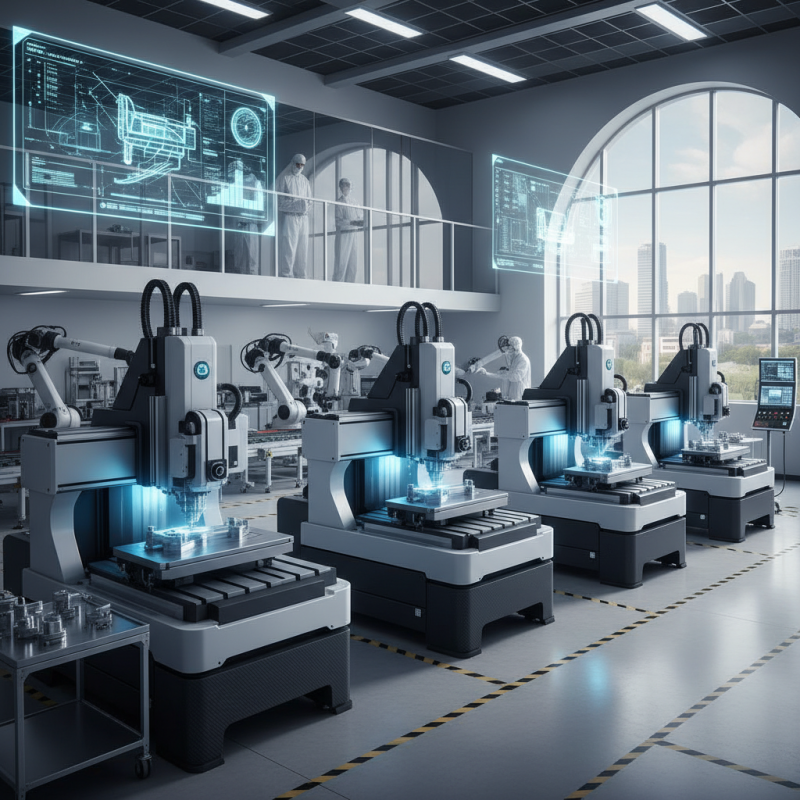
The evolution of 3 axis CNC machines has been remarkable. By 2026, these machines are set to redefine manufacturing processes. Manufacturers are increasingly seeking precision and efficiency. The new designs offer improved user interfaces and automation features. This simplifies operations for users with varying skill levels.
Incorporating advanced sensors can enhance real-time monitoring. This allows operators to detect issues before they escalate. However, reliance on technology raises some concerns. There are instances where equipment can malfunction unexpectedly. Operators must maintain skills to troubleshoot these machines effectively.
The cost of investing in modern CNC technology remains a critical consideration. Not every business can afford the latest models. This gap in access could lead to a divide in manufacturing capabilities. Many smaller companies may find it challenging to keep pace. Innovation should be inclusive, allowing all manufacturers to benefit from advancements. Engaging in open discussions about these challenges is essential for collective growth.
Key Features and Specifications to Consider When Choosing CNC Machines
When selecting 3 axis CNC machines for your business in 2026, several key features demand attention. Speed is crucial. A faster machine reduces production time, but it may come at a higher cost. Next, accuracy is vital. Look for machines that can consistently produce parts to tight tolerances. This reduces waste and rework, enhancing efficiency.
Another important factor is the software compatibility. A user-friendly interface simplifies training for operators. Additionally, having robust technical support is essential. It ensures quick resolution of any issues that may arise. Remember to assess the build quality of machines as well. A sturdy, well-constructed CNC machine tends to have a longer lifespan, which is a significant consideration for investment.
It's essential to consider the types of materials you'll be working with. Some machines excel with metals, while others handle plastics better. Balancing these features against your budget can be challenging. Not every choice is perfect, and some might match your requirements better than others.
Take the time to review and reflect on your specific needs before making a decision.
Cost Analysis: Investment vs. Return on CNC Machinery for Businesses
When considering a 3-axis CNC machine for your business, cost analysis becomes crucial. Investing in this technology can be daunting. Initial costs often include the machine itself, installation, and potential training for staff. Other expenses might arise from maintenance and software updates. These can add up quickly, impacting your cash flow.
However, the return on this investment can be significant. A high-quality CNC machine can increase production efficiency. This means producing items faster and reducing labor costs. Some businesses report up to a 50% reduction in operation time. Additionally, the precision of CNC machining can lower waste rates. Less waste means more profit per job. Factors like these make a careful analysis important.
Yet, it's not a guaranteed success. Demand for products can fluctuate. A machine that seems ideal today may become an underutilized asset tomorrow. Businesses must also consider their market. If demand doesn't match production capability, even the best machines may not yield desired results. Continuous evaluation and adaptation to market conditions remain essential for maximizing returns.
Industry Trends: How 3 Axis CNC Machines are Shaping Production Efficiency
3 Axis CNC machines are becoming integral in modern manufacturing. They enhance production efficiency by allowing multiple operations to occur simultaneously. This leads to shorter lead times and increased output. Many businesses are adapting these machines to improve their workflow processes.
The industry's shift towards automation is evident. With the rise of smart technology, 3 Axis CNC machines are more connected than ever. Operators can monitor performance in real-time. This data-driven approach helps in making informed decisions. However, implementing these technologies can be challenging. Training staff effectively is crucial. Mistakes in operation can lead to costly errors, emphasizing the importance of skilled labor.
While these machines provide numerous benefits, there are flaws to consider. Not all designs are user-friendly for all operators. Some may find the controls complex or cumbersome. The need for ongoing maintenance can also be a concern. Companies must weigh the benefits against these challenges to ensure a successful integration into their production lines.
Production Efficiency of 3 Axis CNC Machines (2026)
Case Studies: Successful Implementation of 3 Axis CNC Technology in 2026
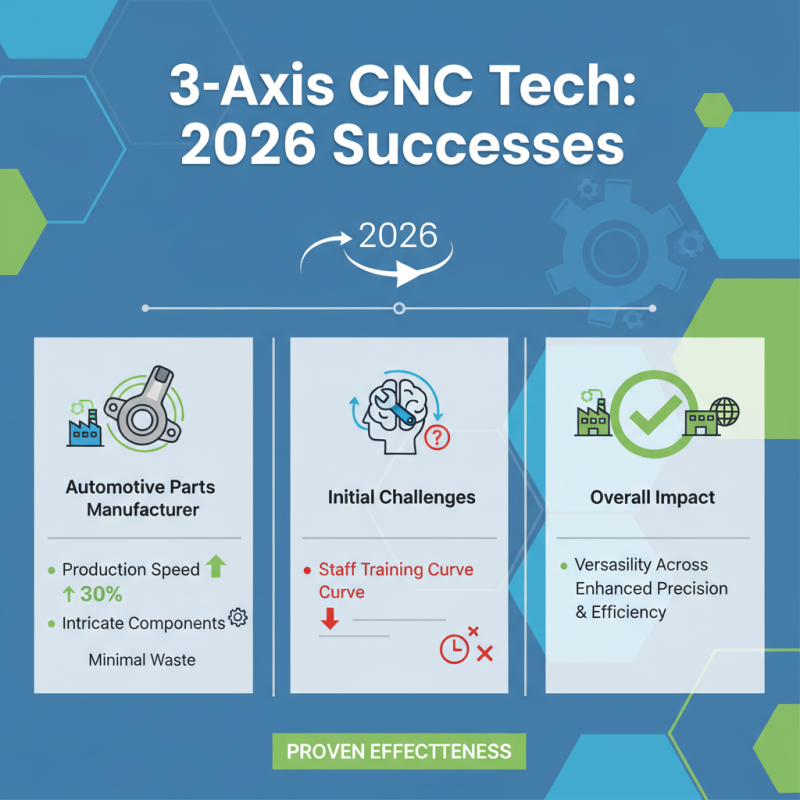
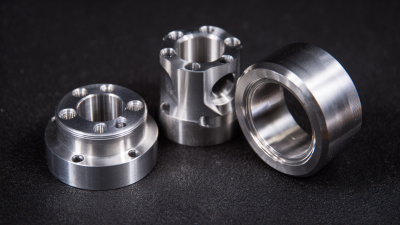
In 2026, numerous businesses harnessed the power of 3-axis CNC machines, showcasing their effectiveness across various industries. One notable case involved a small automotive parts manufacturer. By adopting this technology, they improved production speed by 30%. The precision of 3-axis machines allowed them to create intricate components with minimal waste. However, they faced initial challenges in training staff, which slowed down the implementation process.
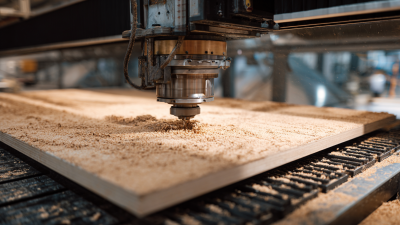
Another successful implementation came from a woodworking shop that specialized in custom furniture. They integrated a 3-axis CNC machine to streamline their design process. This addition not only increased their output but also enhanced the quality of their products. Yet, the shop struggled with occasional software glitches. These issues forced them to rethink their maintenance schedule and invest time in software training for their employees.
These examples illustrate the transformative impact of 3-axis CNC technology. Yet, they also serve as a reminder that the transition is not always smooth. Continuous assessment and adjustments are key to ensuring optimal operation. As businesses move forward, learning from these experiences will be crucial in maximizing the benefits of CNC technology.