How to Buy a 3 Axis CNC Milling Machine in 2026?
Buying a 3 axis cnc milling machine in 2026 requires more than comparing prices and spindle speeds. The right choice depends on production goals, material types, available floor space, and operator experience. A compact machine may suit aluminum prototypes, while a heavier cast-iron model handles steel with greater stability. Small differences matter.
A practical evaluation should examine spindle power, travel range, table load, positioning accuracy, control software, and service support. Check whether the machine can accept standard tooling, probing systems, coolant equipment, and future upgrades. Ask suppliers for test cuts using materials similar to your work. A clean aluminum surface can hide vibration problems that appear immediately in stainless steel. Request documented specifications, training options, warranty terms, and replacement-part availability.
Budget planning also needs realism. The purchase price rarely includes tooling, installation, electrical work, extraction, inspection equipment, and operator training. A machine that looks affordable may become expensive after delivery. Safety guarding, emergency stops, and applicable workplace requirements deserve careful attention. No checklist is flawless. Even experienced buyers can overlook software compatibility or local service response times. That is why this guide focuses on evidence, practical measurements, and long-term operating value. The goal is not to identify the most impressive machine, but to select dependable equipment that matches actual workloads in 2026.
Set Capacity Targets: XYZ Travel, Work Envelope, and ISO 230-2 Accuracy
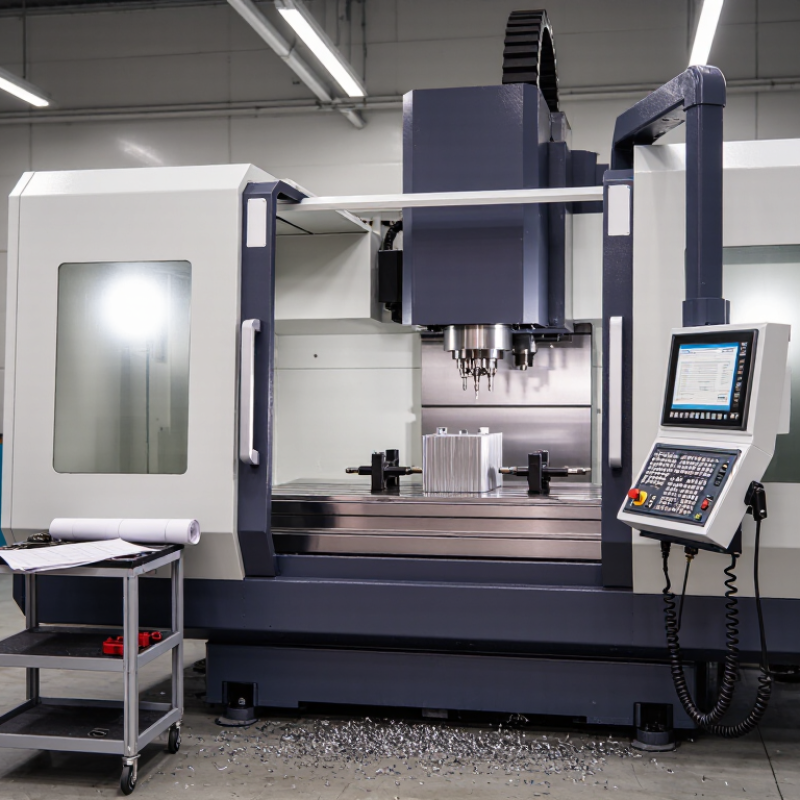
A 3-axis CNC milling machine should be sized from the work envelope, not brochure optimism. Define X, Y, and Z travel from your largest part, fixture, and tool clearance. Leave at least 15% spare travel on each axis. Tight margins create awkward setups.
The 2024 World Machine Tool Survey placed global machine-tool consumption above US$80 billion, showing how broad the equipment market has become. Capacity claims still need practical verification. Ask for the manufacturer’s actual XYZ travel, table dimensions, maximum workpiece mass, spindle-to-table distance, and usable clearance. A machine may list 800 mm of X travel, yet lose 100 mm after fixturing. Measure your largest recurring job in three dimensions. Then add room for clamps, probing, and chip evacuation.
Accuracy requires more careful reading. ISO 230-2 evaluates axis positioning accuracy and repeatability through programmed movements. It does not guarantee finished-part accuracy during cutting. Request the latest ISO 230-2 test report, including axis temperature, measuring instrument uncertainty, and test length. For precision components, a reasonable purchasing target might be ±0.01 mm positioning accuracy and repeatability near 0.005 mm, subject to machine size and temperature control. These figures are not universal. I still get this wrong occasionally. A warm spindle, heavy fixture, or poor leveling can change results. Ask for acceptance testing on your actual material, toolpath, and workholding setup.
Match Materials to Spindle Torque, 5–15 kW Power, and 8,000–24,000 rpm
How to Buy a 3 Axis CNC Milling Machine in 2026?
Match Materials to Spindle Torque, 5–15 kW Power, and 8,000–24,000 rpm
Choosing a 3 axis CNC milling machine starts with the material, not the advertised power. Aluminum usually benefits from high rpm and stable chip evacuation. Steel demands stronger torque at lower speeds. A 5 kW spindle may handle light aluminum work, but it can struggle during deep steel cuts. For regular steel production, consider 10–15 kW and a rigid frame.
Speed alone can mislead. A spindle rated at 24,000 rpm may suit small carbide tools and finishing passes. It will not automatically perform well with a large cutter. Check the torque curve, not only the maximum rpm. At 8,000–12,000 rpm, available torque matters during heavy roughing. Ask for cutting data using your actual tool diameter and material grade.
Test the machine before purchase, if possible. Cut a small steel pocket and inspect chatter marks, heat, and dimensional accuracy. For aluminum, listen for a clean cutting sound and watch for welded chips. Measure spindle runout with a dial indicator. Even a powerful spindle loses value when runout damages tools. I once focused too much on motor power and underestimated cooling requirements. That mistake increased maintenance time. Review duty cycles, bearings, collet sizes, and thermal stability. The best 2026 specification is the one matching your daily cuts, not the largest number on the sheet.
Select Tooling and ATC Capacity: 12–30 Tools plus Chip-Load Targets
When buying a 3-axis CNC milling machine in 2026, treat tooling capacity as a production decision, not a specification contest. A 12-tool automatic tool changer suits basic work with drills, roughers, finishers, and one probe. Choose 20 to 30 tools when jobs require multiple diameters, chamfers, thread mills, or duplicate cutters. More pockets reduce manual changes. They also increase cost, maintenance, and setup complexity.
Check the actual tool diameter, length, and weight limits. A crowded carousel may accept 30 holders but lose useful capacity with large cutters. Ask for a tool-change demonstration using your longest and widest tools. Watch for collisions, slow indexing, and chips trapped near the spindle. I also prefer sealed storage and clear access for cleaning. Small details matter.
Set chip-load targets before comparing spindle power. Use this practical calculation:
Feed rate equals chip load multiplied by spindle speed and flute count.
For a 6 mm, four-flute carbide cutter at 8,000 rpm and 0.04 mm chip load, the target feed is 1,280 mm/min. Reduce the target for deep slots, weak workholding, or hard material. Increase it only after checking sound, finish, and motor load. My first estimate was too optimistic. A test cut revealed vibration from an overlong holder. Record actual load, chips, and surface finish during acceptance testing. Calculator results are useful, but the machine’s rigidity decides whether they survive production.
Validate Controls and Accuracy with ASME B5.54 and ±0.01 mm Claims
How to Buy a 3 Axis CNC Milling Machine in 2026?
When a supplier claims ±0.01 mm accuracy, ask what that number actually measures. It may describe positioning error, repeatability, or a carefully machined test piece. These are different results. Request the test method, measurement length, feed rate, temperature, and material used. Numbers need conditions.
Use ASME B5.54 as a practical reference when evaluating a machining center. The standard provides methods for checking positioning accuracy, repeatability, squareness, and other performance characteristics. It does not automatically prove that every production part will hold ±0.01 mm. Ask for a complete test report, not a certificate with one attractive figure. Confirm whether the inspection used calibrated equipment with traceability to recognized national standards.
In a factory visit, let the machine reach thermal stability before testing. Watch the operator measure several positions across the table, not only one convenient point. Check spindle warm-up procedures, axis backlash compensation, and the machine’s response after repeated moves. A rigid structure helps, but tooling, clamping, coolant temperature, and programming also affect the final part.
I once focused too heavily on the headline tolerance. That shortcut was wrong. The better question is whether the machine can repeat the required result during your real production cycle. Bring a sample drawing, define datums, and request a trial cut under documented conditions. If the supplier avoids those details, treat the ±0.01 mm claim as unverified rather than guaranteed.
Compare 5-Year Cost: Machine, Installation, Training, Maintenance, OPEX
A 3-axis CNC mill’s purchase price is only the starting point. Compare five-year costs across the machine, installation, training, maintenance, and daily operating expenses. Ask suppliers for a written installation scope covering rigging, foundations, power, coolant, and commissioning. A missed electrical upgrade can delay production and raise the real purchase cost. Budget operator training and setup time, too; a machine that sits idle while staff learn is not earning its keep. Request a preventive-maintenance schedule and price common wear parts before signing.
Energy deserves a line of its own. The U.S. Department of Energy’s motor-systems guidance reports that motor-driven systems account for about 54% of U.S. manufacturing electricity use. That figure covers manufacturing broadly, not one milling machine, but it shows why idle time, spindle load, and shop energy rates matter. Estimate your machine’s hours per year, then use the quoted power draw and local electricity tariff to model five-year OPEX. Include tooling, coolant, filters, and compressed air where applicable. Estimates will be imperfect. Keep assumptions visible.
Tips: Compare like with like. Ask each supplier for annual service costs, warranty exclusions, training hours, and expected consumables. Add installation and contingency costs before comparing quotes. Track actual energy use after commissioning, since cutting schedules rarely match the estimate exactly.
Illustrative planning estimates in USD, not supplier quotes. Totals include purchase, installation, initial operator training, five years of maintenance, and five years of operating expenses. Actual costs vary by machine capacity, location, usage, utilities, and service requirements.