



Menü öffnen Menü schließen

Why Do You Need a Mahjong Table Cover?

Mahjong is a game of small details: tiles clicking against the table, hands moving across the playing surface, and drinks or snacks nearby. Over time, that activity can leave scratches, dust, or marks on an unprotected table. A Mahjong Table Cover offers a simple barrier between the game and the furniture beneath it. It can also create a more consistent surface, though the feel and grip depend on the cover’s material.

The right cover should fit the table and suit the way people play. A loose edge may catch a sleeve, while a surface that is too slick can make tiles harder to control. Check the dimensions, thickness, texture, and care instructions before choosing one. Some covers fold away easily; others stay in place better but take more room to store. Small differences matter.

A cover is not a cure-all. It will not prevent every spill or protect tiles from careless handling, and it may need cleaning after regular use. Still, it can help keep a table in better condition and make setup feel more deliberate. One detail is easy to overlook: the cover itself needs care, too. Choosing a washable, well-fitting option can make cleanup less of a chore. The best choice is not necessarily the most expensive one; it is the cover that feels comfortable, stays put, and fits your table.
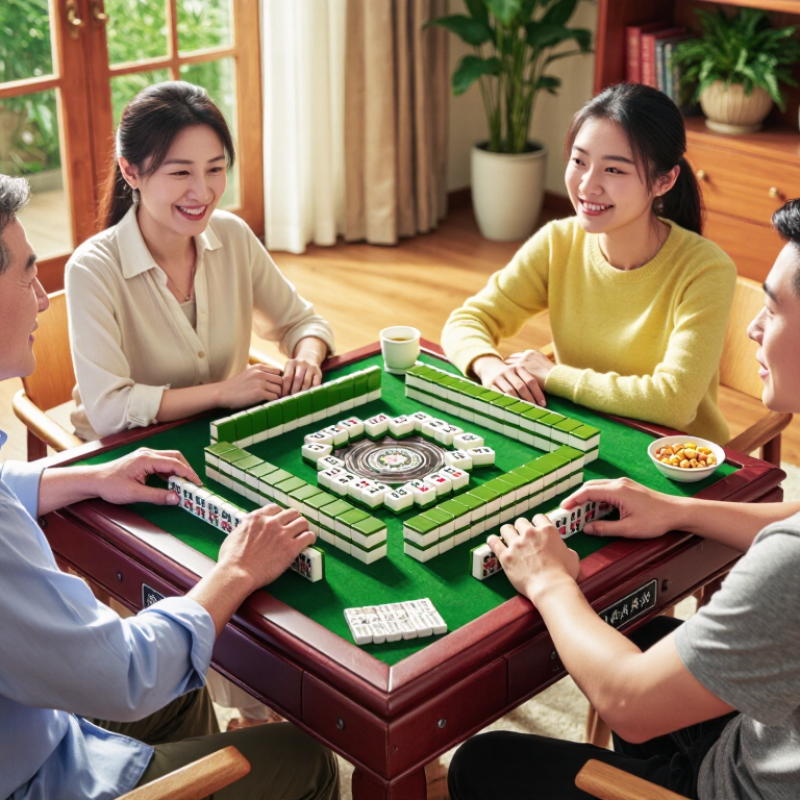
Why Do You Need a Mahjong Table Cover?

What a Mahjong Table Cover Is and How It Fits the Table

A mahjong table cover is a fitted or loose protective layer placed over the playing surface. It may be a thin cloth, a padded mat, or a cover with a grippy backing. Its job is practical: soften the sound of tiles, reduce surface scuffs, and give players a more consistent area for shuffling. It is not automatically a perfect fit. Measure the tabletop’s length and width, then check its corners, raised edges, and any built-in features before choosing a cover. A square cover that is only slightly too large can bunch beneath players’ wrists.

Material affects how the table feels. A smooth woven surface lets tiles slide; a textured or padded layer can slow them down and cushion taps. The Association for Contract Textiles’ voluntary upholstery guidelines use 30,000 Wyzenbeek double rubs as a heavy-duty benchmark. That test measures abrasion resistance, but it is not a mahjong-cover requirement, so it should not be treated as proof of table performance. Check whether the backing grips without leaving residue, and whether the fabric can be cleaned as directed. Small wrinkles can still appear. I would rather have a cover that lies flat and moves tiles predictably than one that looks thick but shifts during play.

Why Do You Need a Mahjong Table Cover? - What a Mahjong Table Cover Is and How It Fits the Table
Dimension What It Means Practical Detail How to Check the Fit
What a cover is A removable layer placed over the tabletop during play or storage. Depending on its material, it can help limit surface scratches, dust, and spills reaching the table. Choose a cover made for a flat playing surface and follow its care instructions.
Tabletop shape Mahjong tables may have square, rectangular, or purpose-built playing surfaces. A cover’s shape should match the usable tabletop; a square cover may not suit a rectangular surface. Measure the tabletop’s length and width, rather than the table’s legs or overall footprint.
Tabletop dimensions There is no single tabletop size that fits every mahjong table. For example, a measured 34 × 34 in (86.4 × 86.4 cm) surface needs a cover selected around those dimensions. Measure across the playing surface in both directions and compare those measurements with the cover’s stated size.
Overhang Overhang is the amount of cover extending past each tabletop edge. A 40 × 40 in cover on a 34 × 34 in tabletop leaves about 3 in (7.6 cm) per side when centered. Subtract the tabletop dimension from the cover dimension, then divide the difference by two for each side’s overhang.
Playing area The cover should leave enough clear space for tiles, racks, and hands. Excess fabric can bunch or hang into the players’ working area, while a very small cover may leave edges exposed. Center the cover and check that it lies flat without interfering with racks or moving parts.
Table edges and features Raised rails, recessed centers, cup holders, and built-in mechanisms affect fit. A flat cover may not sit properly over a raised edge or fit around attached accessories. Check the table’s edge profile and accessories before choosing a cover; use a purpose-shaped cover if needed.
Material and grip Cover materials vary in texture, thickness, and how they stay in place. A smooth or padded surface can change how tiles slide; a non-slip backing may help reduce shifting. Consider the table’s intended use and verify that the cover is compatible with the surface and cleaning method.
Main reason to use one A cover provides a removable barrier between the tabletop and everyday use. It can make it easier to keep dust off the surface between games and help protect against ordinary wear. Remove and clean the cover as directed, and wipe spills promptly rather than assuming the cover is waterproof.

How a Cover Protects the Table Surface from Wear and Spills

A mahjong table sees repeated tile movement, elbows, and drink cups. Over time, grit beneath a tile can leave fine scratches, while a spill may stain or swell an exposed surface. A well-fitted cover adds a removable buffer between play and the tabletop. It can also catch crumbs before they collect around seams and edges. A cover helps, but it does not make the table spill-proof.

The USDA Forest Products Laboratory’s Wood Handbook reports that wood’s equilibrium moisture content is about 6.2% at 30% relative humidity and 9.2% at 50%, at 70°F. These figures describe wood’s response to its environment, not mahjong tables specifically. A cover cannot control room humidity, but it can limit direct contact with liquid and everyday abrasion. A damp cloth left under a cover can still cause trouble. That part is easy to miss.

Tips: Choose a cover that lies flat and has a soft underside. Brush away grit before covering the table. Blot spills promptly, then let the surface dry fully before replacing the cover. Check the edges now and then. Small habits matter.

How Cover Materials Affect Tile Movement and Sound

A mahjong cover changes how tiles slide, stop, and sound. A smooth woven cloth lets a tile travel farther with a light push. A dense, soft surface adds drag and can mute the sharp click of tile edges. Too much grip can make dealing feel sluggish. Too little can send a tile skidding into the wall.

Professional testing offers useful measures, though not a universal “best” cover value. ASTM D1894 measures static and kinetic friction between surfaces; ASTM C423 measures sound absorption and reports a Noise Reduction Coefficient on a 0-to-1 scale. These methods are designed for material testing, not direct rankings of mahjong covers. Check whether a supplier provides actual test results, rather than relying on words such as “quiet” or “smooth.” Small differences in weave, backing, and tension may change the feel.

For a practical comparison, place the same tile on each cover and give it the same gentle push. Note its stopping distance, then listen to several identical tile taps in a quiet room. Keep the table and tile set unchanged. This is not a laboratory test. Still, it can reveal whether a fuzzy surface muffles sound or a slick one makes tiles overshoot. A little unevenness is normal.

How a Table Cover Supports Cleanliness and Comfortable Play

A mahjong table collects more than tiles. Crumbs lodge between seams, tea leaves rings, and hands carry oils onto the playing surface. A fitted cover creates a removable layer that can be shaken out or washed, depending on its material. It is not a disinfectant. The U.S. Centers for Disease Control and Prevention advises routine cleaning of frequently touched surfaces, with disinfection when someone is ill.

Snacks often sit within reach during a long game. The CDC estimates that about 48 million people in the United States experience foodborne illness each year; that figure is not specific to game tables, but it is a reminder to keep eating areas clean. A cover helps contain crumbs, yet hands and dishes still need attention. Small difference. Wash the cover as its care label directs, and let it dry fully before folding it away.

Comfort matters, too. A thin, smooth cover can soften the sharp clack of tiles and make a hard tabletop feel less cold beneath the wrists. Too much padding can make tiles wobble or slide oddly. That trade-off is easy to miss. Check the surface with a few tile movements before a full session, and smooth out wrinkles that interrupt the play.

Why Use a Mahjong Table Cover?

A cover provides a removable playing surface, helping keep tiles in contact with the cover rather than directly with the table.

The chart shows which material forms the exposed playing surface. It is a surface comparison, not a measured cleanliness or spill-protection test.

How to Choose and Care for a Mahjong Table Cover

Why Do You Need a Mahjong Table Cover?

How to Choose and Care for a Mahjong Table Cover

Choose a cover that fits the table without dragging across the floor. Measure its length and width, including any raised edges, then check the product’s dimensions. A soft, tightly woven fabric can help limit scratches from tile edges and crumbs entering table seams. For frequent use, look for washable material and a backing that grips without feeling sticky. The Association for Contract Textiles (ACT) lists 15,000 Wyzenbeek double rubs as a guideline for general upholstery use and 30,000 for high-traffic settings. These figures measure abrasion resistance, not guaranteed cover lifespan; compare ratings only when the same test method is used. A cover is not a cure-all.

Tips: Shake out loose crumbs before washing. Blot spills with a clean cloth; rubbing can push stains deeper. Follow the care label, and air-dry when possible to reduce shrinkage. Check the underside for trapped grit before putting the cover back. One detail is easy to miss: a damp cover can leave moisture against the tabletop, so let both surfaces dry fully. A little fuss, but worthwhile.