Menü öffnen Menü schließen

What Is a Residential Passenger Lift?

A Residential Passenger Lift is a lift installed in a private home to carry people between floors. It can make stairs easier to manage for older adults, people with limited mobility, and families moving bulky items. Compact models may fit within a stairwell or a small shaft, while other designs need more room and building work. The right choice depends on the home, its structure, and the people who will use it. Small details matter.

A lift is more than a cabin moving between levels. Buyers should consider door openings, controls, lighting, backup arrangements, noise, and access for servicing. A showroom demonstration can feel smooth, but the real test is how the lift fits everyday routines, from carrying shopping to entering with a mobility aid. Measurements taken before installation help prevent costly surprises. Still, no guide can replace a site assessment by a qualified lift professional.

This article explains common lift types, how they work, and what to consider before choosing one. It also looks at space, installation, maintenance, and safety features. Costs and requirements vary by model and property, so general estimates deserve careful checking. A lift may improve access, but it is not automatically the best answer for every home. That deserves thought.
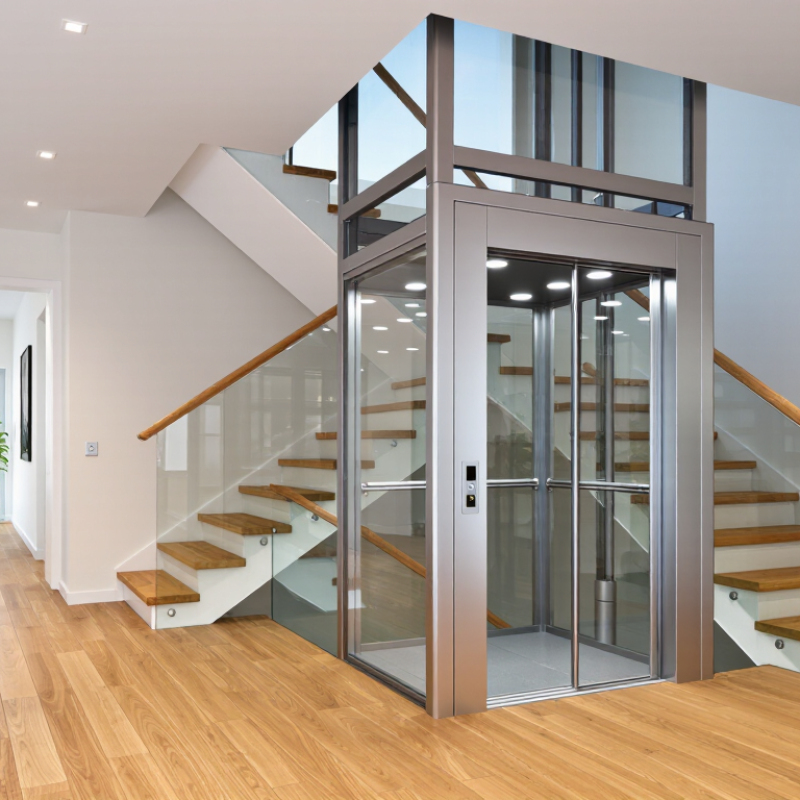
What Is a Residential Passenger Lift?

Definition and Purpose of a Residential Passenger Lift

A residential passenger lift is a powered lift installed inside or beside a private home. It carries people between floors in a small cab or platform, using a dedicated vertical route. Its purpose is practical: reduce the effort of moving between levels when stairs become difficult, or when someone carries laundry, groceries, or a sleeping child. It is not automatically an accessibility solution. Cab size, door position, controls, and backup features all affect who can use it.

The need for adaptable homes is reflected in broader research. AARP’s 2021 Home and Community Preferences Survey found that 77% of adults aged 50 and older wanted to remain in their homes as long as possible. The World Health Organization’s 2022 global report estimates that 1.3 billion people experience significant disability. These figures do not measure demand for home lifts specifically, but they help explain why vertical access matters. That matters at home.

A residential lift may connect two floors or serve several landings, depending on the building and system design. Before installation, a qualified professional should assess available space, power, structural support, access needs, and applicable safety requirements. The details can be easy to overlook. A lift that fits the floor plan may still feel cramped, or its doors may open awkwardly near a hallway. Still, a lift is not a magic fix. Routine servicing and a clear emergency plan remain important.

How a Residential Passenger Lift Moves Between Floors

What Is a Residential Passenger Lift?

How a Residential Passenger Lift Moves Between Floors

When a passenger selects a floor, the lift’s control system checks the request and confirms that the doors are closed. Safety interlocks prevent movement while a door remains open or unsecured. Then a motor moves the car along its guide rails. Depending on the design, the lift may use a traction drive, a hydraulic system, or another mechanism. These systems work differently, but each must control the car’s speed and position.

Sensors track the car as it travels. Near the selected floor, the controller slows the motor and guides the car toward a level stop. That small adjustment matters: even a slight height difference can make stepping out awkward. The doors open only when the car is safely positioned. Quiet, steady movement is reassuring. Still, a faint vibration or brief pause can occur, and it is worth reporting if it changes or becomes more noticeable. Lifts need proper installation and regular inspection; their exact controls and emergency features vary by model. No two homes are quite the same. A narrow landing, uneven flooring, or a frequently used doorway can affect how people experience the ride, even when the lift operates as intended.

Main Lift Types and Their Drive Systems

Residential passenger lifts commonly use hydraulic, traction, or screw-drive systems. The right choice depends on travel height, floor layout, pit depth, and available machine space. A lift serving two floors has different needs from one serving four.

Hydraulic lifts raise the car with a fluid-powered piston. They can provide smooth, steady travel, but pumps and fluid equipment need space and maintenance.

Traction lifts use ropes or belts, a motor-driven sheave, and a counterweight. They suit taller travel, and some designs avoid a separate machine room.

Screw-drive lifts move the car along a threaded shaft. Their compact layout can help in renovations, though travel may be slower and sound more noticeable.

Small details matter.

The International Energy Agency’s Tracking Buildings 2023 report estimates that buildings account for about 30% of global final energy use and 26% of energy-related emissions. These figures cover buildings overall, not lifts alone.

Still, standby power, lighting, and motor control are worth comparing. In a rarely used home lift, standby consumption may matter more than speed. For daily mobility, smooth starts and reliable backup may matter more.

There is no universal winner. A specification can look right on paper and still disappoint if shaft dimensions or service access were poorly assessed.

Key Components and Built-In Safety Features

What Is a Residential Passenger Lift?
Key Components and Built-In Safety Features

A residential passenger lift carries people between floors inside a home. Its main parts usually include a car, guide rails, drive system, landing doors, and control panel. A supporting shaft or enclosure keeps the car aligned during travel. The exact setup depends on the building and lift design. Even small details matter: a level doorway makes it easier to enter with a walking aid or carry a laundry basket.

Built-in safety features may include door interlocks, obstruction sensors, emergency lighting, and an alarm or communication device. Interlocks help prevent the lift from moving when a door is open. Sensors can stop or reverse the doors if something blocks them. Some systems also provide a controlled way to lower the car during a power failure. Features vary, so check the lift’s documentation and ask a qualified installer what applies to your home. It is easy to focus on comfort and overlook emergency instructions. That deserves a second look.

Tips: Keep door tracks clear of grit and small objects. Test alarms as instructed, and arrange regular professional servicing. Never assume a quiet ride means every safety feature works.

What Is a Residential Passenger Lift? - Key Components and Built-In Safety Features

A residential passenger lift is a powered lift intended to carry people between levels in a home. Its design, equipment, and safety provisions vary by lift type and the applicable local regulations.

Category Component or Feature Purpose Practical Safety Information
Main component Lift car or platform Carries passengers between floors and provides the occupied space of the lift. Rated capacity and permitted passenger load are specified for each lift; users should follow the displayed limit.
Main component Hoistway, shaft, or enclosure Provides the route and structural space in which the car or platform travels. Construction and access requirements depend on the lift design and local building and lift regulations.
Main component Drive system Moves the lift. Common residential designs use traction, hydraulic, or other purpose-designed drive arrangements. Drive type affects installation, maintenance, travel characteristics, and the method used for emergency recovery.
Main component Controller and position sensors Processes calls and controls movement, stopping, and floor positioning. Positioning and control functions are designed to help the lift stop at the intended landing; performance depends on the specific system.
Main component Landing doors and car gate or door Provide access to the car at each served level and help separate passengers from the hoistway. Door arrangements vary. Interlocks are commonly used so the lift cannot travel unless the relevant doors or gates are in the required closed and locked condition.
Built-in safety feature Door interlock Monitors the condition of landing doors and, where fitted, the car door or gate. Helps prevent normal lift movement with an unsecured landing door. It is not a substitute for keeping clear of moving doors.
Built-in safety feature Door obstruction detection Detects an obstruction while a powered door is closing and may stop or reopen the door. Detection methods differ by model; users should not rely on the sensor to detect every object or prevent every injury.
Built-in safety feature Overspeed protection and safety gear On applicable designs, detects excessive car speed and can activate a mechanical stopping device. The specific devices and their configuration depend on the lift type. Not every residential lift uses the same overspeed-governor arrangement.
Built-in safety feature Buffers or end-of-travel protection Provide protection at travel limits on designs equipped with these devices. Equipment and placement depend on the lift’s construction and applicable standards; buffers are not intended for routine stopping.
Built-in safety feature Emergency alarm or communication device Allows a trapped passenger to request assistance, where this equipment is provided. Passengers should use the installed alarm or communication method and wait for trained assistance rather than attempting to exit between floors.
Built-in safety feature Emergency lighting Provides illumination in the car if normal power is interrupted, where fitted or required. Operation and backup duration depend on the installed system and local requirements.
Built-in safety feature Emergency lowering or rescue provision Some systems provide a controlled means of moving the car to a landing after a power failure or fault. Methods vary by drive type. Rescue procedures should be carried out only by trained or authorized people in accordance with the manufacturer’s instructions.
Use and upkeep Inspection and maintenance Helps keep safety devices, controls, doors, and mechanical parts in proper working condition. Follow the lift manufacturer’s maintenance schedule and applicable local inspection requirements; remove a lift from service if a fault affects safe operation.

Safety equipment and legal requirements differ by lift type, installation, and jurisdiction. Confirm the features of a specific lift with its documentation and a qualified lift professional.

Installation, Accessibility, and Ongoing Maintenance

What Is a Residential Passenger Lift?

A residential passenger lift carries people between floors inside a private home. Installation starts with a site survey, not a catalogue choice. A qualified professional checks the floor structure, available space, power supply, and landing access. Door positions matter: a lift that opens into a narrow hallway may be hard to use with a walker or wheelchair. Building requirements vary, so confirm local safety and accessibility rules before work begins. Even a careful plan can overlook how a family moves through the space each day.

Tips: Measure doorways and turning areas with mobility equipment in place. Think about who may use the lift later, too. Needs can change.

Accessibility depends on details such as clear controls, steady lighting, handrails, and an entrance with minimal steps. Ask the installer to explain emergency lowering and backup power options. Practice using the controls before relying on the lift alone. Small awkwardness matters.

Ongoing maintenance helps keep operation dependable. Follow the service schedule recommended for the specific lift, and arrange inspections with a qualified technician. Keep the landing areas clear, and report unusual noises, uneven stopping, or doors that hesitate. Do not attempt repairs yourself. A simple log of service visits and recurring issues can help identify changes over time. Regular attention takes effort, but skipping it may leave a small fault unnoticed.