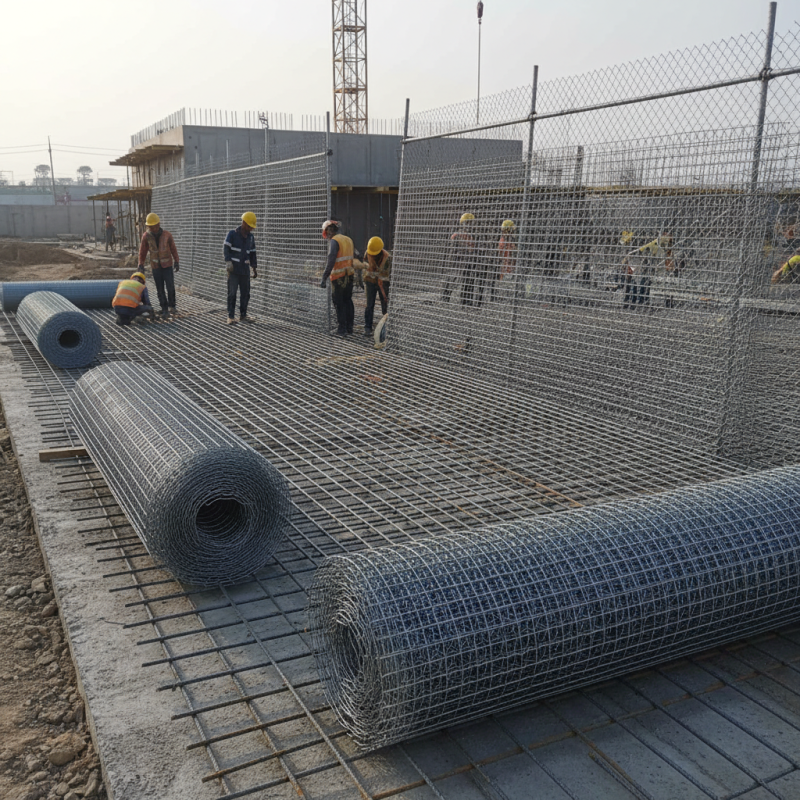
What is Welded Wire Mesh and Its Common Applications?
welded wire mesh is a versatile material widely used in construction and various industries. According to the Global Construction Report, the demand for welded wire mesh is projected to grow at a rate of 5.3% annually. This growth indicates its importance in modern infrastructure projects.
Experts like Dr. John Emerson, a renowned figure in construction materials, emphasize its relevance. He states, "welded wire mesh provides structural strength while ensuring cost efficiency." This combination makes it a preferred choice for applications such as concrete reinforcement and fencing.
Beyond its advantages, challenges remain. Ensuring consistent quality during production can be difficult. Moreover, adapting to specific project needs requires careful planning and innovation. Industries must address these issues to harness the full potential of welded wire mesh effectively.
Definition of Welded Wire Mesh and Its Features
Welded wire mesh is a grid-like structure made by welding intersecting wires together at their junctions. This robust mesh is known for its durability, strength, and rigidity. The wires are usually made of steel or stainless steel, providing resistance to corrosion and wear. The size of the mesh openings can vary, which makes it versatile for different uses. Its surface is smooth, reducing potential hazards in application areas.
One significant feature of welded wire mesh is its adaptability. It is used in a variety of industries, including construction, agriculture, and fencing. In construction, it reinforces concrete slabs and walls. This enhances the strength of the structures. In agriculture, it serves as fencing to protect crops from animals. Small mesh openings prevent pets and wildlife from getting through. However, not all applications follow safety guidelines. Some mesh might not be properly installed, leading to structural failures or breaches. Awareness and proper installation are crucial.
What is Welded Wire Mesh and Its Common Applications?
| Dimension (mm) | Wire Diameter (mm) | Mesh Size (mm) | Material | Common Applications |
| 1200 x 2400 | 3.0 | 50 x 100 | Carbon Steel | Fencing, Construction |
| 1500 x 3000 | 4.0 | 75 x 150 | Galvanized Steel | Animal Cages, Industrial Use |
| 1000 x 2000 | 2.5 | 25 x 50 | Stainless Steel | Safety Barriers, Agriculture |
| 2000 x 4000 | 5.0 | 100 x 200 | PVC Coated | Landscaping, Garden Fencing |
Manufacturing Process of Welded Wire Mesh
The manufacturing process of welded wire mesh involves several critical steps. First, raw materials, typically steel wires, are selected based on the desired characteristics of the final product. These wires come in different diameters. Once selected, the wires are cleaned to remove any impurities that could affect welding.
Next, the wires are arranged in grids. During this stage, cutting machines trim the wires to precise lengths. Then, they are carefully placed in a predetermined pattern. A welding machine then applies high-frequency current to the intersections of the wires. This creates strong bonds. The effect is a sturdy mesh that can withstand significant stress.
After welding, the mesh undergoes inspection. Quality control checks ensure proper dimensions and weld integrity. Sometimes, imperfections arise during welding. These can lead to weak points in the mesh. Addressing these flaws is vital for ensuring safety and effectiveness in applications. Finally, the product is cut into sheets or rolls, ready for distribution and installation in various projects.
Common Materials Used for Welded Wire Mesh
Welded wire mesh is made using thin wire strands, which are welded at intersections. This design creates a grid-like structure that excels in various applications. Common materials for welded wire mesh include mild steel, stainless steel, and galvanized steel. Each material comes with its own properties.
Mild steel is often used due to its strength and cost-effectiveness. It is suitable for many construction projects and offers good support. However, it can corrode over time if not treated properly.
Stainless steel, on the other hand, resists rust and is ideal for outdoor applications or in humid climates. Its durability makes it a popular choice, but it is also more expensive.
Galvanized steel provides a protective zinc coating, which prevents rusting. This makes it a suitable option for fencing and agricultural uses. Despite its benefits, the coating can wear off. Regular inspections are necessary to ensure longevity. Thus, while welded wire mesh serves varied functions, the choice of material significantly influences its effectiveness and lifespan.
Applications of Welded Wire Mesh in Construction Industry
Welded wire mesh is a versatile material widely used in the construction industry. It consists of perpendicular wires welded together at their intersections. This design provides strong support and enhances durability. Many construction projects utilize welded wire mesh for various applications. It is commonly used in concrete reinforcement, providing extra stability to structures.
In flooring projects, welded wire mesh serves as an excellent foundation. It helps distribute weight evenly across surfaces, preventing cracks. In retaining walls, it supports soil and ensures structural integrity. Additionally, it is often used in fencing, offering security and protection. Though effective, some projects may underestimate the need for proper installation. Misalignment can weaken the overall structure.
Another area of application is in the creation of basements. Here, welded wire mesh prevents the lateral movement of soil, keeping the space safe. Its adaptability makes it suitable for many architectural designs. However, sometimes builders overlook the benefits of proper spacing. This can affect performance over time. Taking the time to review these details is essential for optimal results.
Other Uses of Welded Wire Mesh in Daily Life
Welded wire mesh is versatile in daily life. It serves many purposes beyond construction. For instance, in agriculture, it is often used for animal enclosures. According to industry reports, the agricultural wire mesh market is expected to reach $2.7 billion by 2025. Farmers appreciate its strength and durability.
In landscaping, welded wire mesh supports various projects. Gardeners frequently use it for plant support. It helps in retaining soil and preventing erosion. This application has gained traction, given the growing focus on sustainable gardening practices. Mesh can also be shaped into decorative fences, adding aesthetic value.
Homeowners use welded wire mesh for safety. It can secure pools and play areas. This mesh acts as a barrier, providing peace of mind for families. However, a common issue arises when users neglect maintenance. Corrosion can affect its longevity. Regular checks and upkeep are essential. This gap presents an opportunity for improvement in user awareness.