Top Wholesale Food Packaging Suppliers in China for Global Buyers?
For global buyers, choosing a Wholesale Food Packaging supplier in China involves more than comparing catalog prices. Packaging must protect products during storage and transport, while matching the buyer’s materials, sizes, printing, and order volumes. A sturdy pouch, a sealed takeaway container, or a neatly stacked paper cup can look convincing in a photo. Samples often tell a different story. Ask how specifications are checked, whether production samples can be approved, and what happens when a batch misses an agreed requirement.
This guide introduces suppliers serving different packaging needs, from flexible food bags to paper and molded-fiber products. It also considers practical buying factors: minimum order quantities, production lead times, customization options, export experience, and communication during production. Details matter. Buyers should request current test reports and traceability information, then confirm that materials and documentation suit the destination market and intended food use. Requirements can vary, so a supplier’s general assurance is not a substitute for careful verification. Still, a checklist cannot reveal everything; delayed replies or vague answers may deserve a closer look. No single factory is right for every order. By comparing product fit, evidence, and service—not just headline pricing—buyers can build a more reliable shortlist and ask better questions before placing a large order.
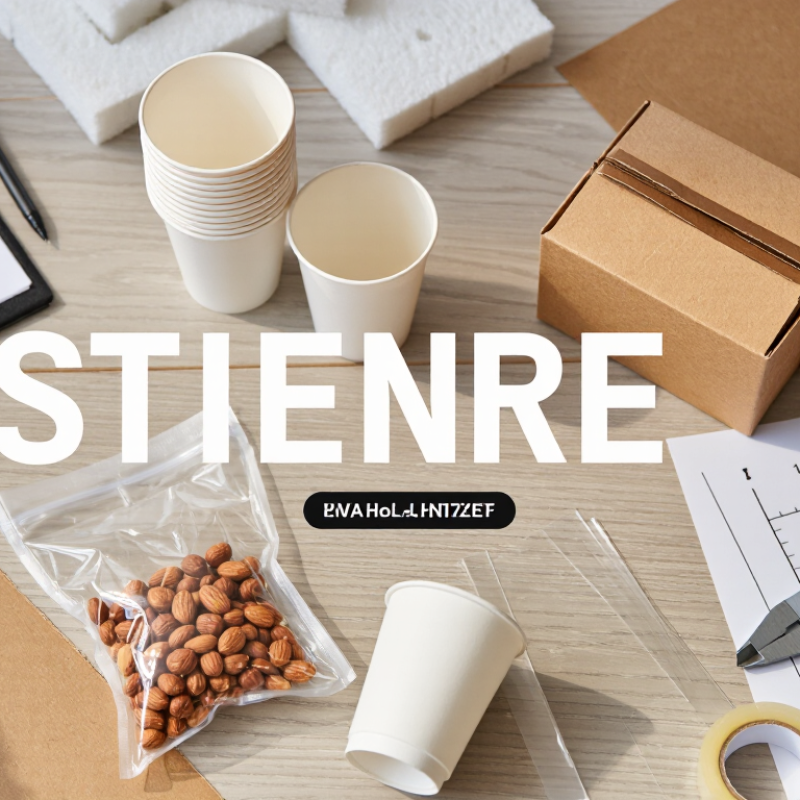
How China’s Wholesale Food Packaging Supply Market Is Structured
China’s wholesale food-packaging market is not one factory floor. It is a layered supply network: material producers make paperboard, films, and resins; converters turn them into trays, pouches, cartons, and lids; wholesalers consolidate stock for export buyers. Some suppliers manufacture directly, while others coordinate several specialist factories. Not one market.
China Packaging Federation’s 2023 industry statistics recorded 20,832 packaging enterprises above designated size and about RMB 1.16 trillion in operating revenue. These figures cover the wider packaging industry, not food packaging alone. That distinction matters: a large national total does not tell buyers how much capacity is available for a particular container, barrier layer, or order quantity. Exporters often sit between factories and buyers, handling mixed orders, samples, and shipment coordination.
For global buyers, the practical structure is easiest to assess by production stage. Ask who makes the material, who converts it, and who checks finished goods before dispatch. Request specifications for thickness, dimensions, sealing performance, and batch consistency. A sample may look right under bright showroom lights, yet behave differently on a filling line. Small details matter. The chain is efficient, but responsibility can blur when several suppliers share one order; written inspection criteria help expose that weakness early.
Which Criteria Help Global Buyers Compare Suppliers?
Global buyers should compare more than unit prices when sourcing food packaging in China. Ask suppliers for material specifications, food-contact declarations, and recent test reports for the exact product. Requirements vary by destination and food type, so review documents against your market’s rules. A neat certificate is not enough if its scope excludes the coating or intended use.
Request samples from the production line, not just display pieces. Test seal strength, odor, thickness, and performance with your actual product and filling process. For example, a pouch for oily snacks may need a different barrier from one for dry tea. Price matters. Samples matter more. Still, samples cannot prove every production batch will match.
Compare minimum order quantities, tooling fees, lead times, and shipping terms in one landed-cost sheet. Ask how defects are recorded, batches are traced, and production changes are approved. A video audit can help, but it cannot replace independent checks when risk is high. Clear answers about tolerances and corrective actions may reveal more than polished brochures. I would not treat any single score as decisive. Pilot a small order, inspect incoming cartons, and record issues. This takes time, but it can prevent costly surprises.
Leading Wholesale Food Packaging Suppliers in China
Leading wholesale food packaging suppliers in China serve buyers who need steady volume, clear specifications, and export-ready documentation. Compare suppliers by packaging format, production capacity, lead time, and quality controls—not catalog size alone. Ask for material specifications, sample runs, and checks for seal strength and leakage. Details matter. A low quote can hide costly variation between batches.
Packaging must protect food without creating avoidable waste. FAO’s 2023 report estimates that 13.2% of food was lost globally between harvest and retail in 2021. Suitable packaging can help preserve products, but it cannot fix poor storage or handling. The OECD’s Global Plastics Outlook (2022) identifies packaging as 40% of plastic waste in 2019. That trade-off deserves scrutiny. Buyers can discuss material reduction, recyclability, and destination-market food-contact requirements with prospective suppliers. Ask how specifications are verified, and review test records rather than relying on claims. Not always easy. Supplier communication can be uneven, and a sample may not reflect full-scale output; confirm production controls before placing large orders.
How to Verify Supplier Credentials and Packaging Compliance
For global buyers, supplier checks should begin with verifiable records, not a polished sales presentation. Request the business registration, factory address, export documents, and recent audit reports. Compare names and addresses across every file. Small mismatches matter. Confirm that the listed facility actually makes the packaging, rather than only trading it. A live video tour can show printing lines, storage areas, and quality checks. Photos can be staged. If a visit is not possible, ask for dated footage and speak with the quality manager.
Packaging compliance depends on the material, its intended use, and the destination market. Request specifications for each layer, including resin, coating, adhesive, and printing ink. Ask for food-contact declarations and migration test reports linked to the exact product, not a similar sample. Check the laboratory, test date, methods, and tested conditions. Reports should match the packaging’s contact time, temperature, and food type. No single document is enough.
Request batch codes and a written process for tracing materials from production to shipment. Compare a pre-production sample with the final goods, including thickness, seals, and odor. One awkward truth: a neat file can still hide inconsistent production. Keep approved samples and records, then clarify unclear claims in writing before paying for a large order. Verify requirements with a qualified local specialist when market rules are uncertain.
Key Food-Contact Packaging Rules: Publication Year
A reference timeline for buyers checking packaging suppliers serving the EU and China. Publication year is not proof of supplier compliance: confirm the applicable current requirements, valid test reports, and supporting documentation for each material and intended use.
References: EU Regulations (EC) No 1935/2004 and No 2023/2006, and (EU) No 10/2011; China GB 4806.1-2016, GB 9685-2016, and GB 4806.7-2023. Always check for amendments, replacements, and market-specific requirements.
How to Manage Samples, Pricing, Orders, and Shipping
For global buyers, sample control should start with a written specification, not a loose request for “food-grade packaging.” State dimensions, material, thickness, printing, seal type, and intended use. Ask suppliers to label samples with batch details and provide relevant food-contact documentation. Test the actual fill, seal, and storage conditions; a pouch that looks right on a desk may leak after filling. The World Bank’s 2023 Logistics Performance Index assessed 139 economies across six areas, including shipment tracking and timeliness. That is a useful reminder: packaging quality and delivery visibility both matter.
Tips: Approve a signed sample, keep one reference set, and record every change. Compare quotations on the same basis: unit price, tooling, minimum order quantity, payment terms, and Incoterms. Request a cost breakdown for printing plates, cartons, and inland transport. For the purchase order, confirm tolerances, inspection criteria, production lead time, and remedies for defects. Small omissions become expensive.
Before shipment, agree who books freight, arranges insurance, and supplies export documents. Ask for carton dimensions and gross weight early; these affect freight costs. Share a packing list and loading photos, then track the shipment through a named contact. A weakness in many buying plans is assuming a pre-production sample guarantees every production run. It does not. Use a pre-shipment inspection when risk or order value justifies it, and keep written records of approvals and changes.