


Top 10 Fluoropolymer Lined Reactor Suppliers Worldwide
A Fluoropolymer Lined Reactor can protect process equipment from corrosive chemicals, but the lining is only one part of the decision. Buyers must also examine operating temperature, pressure, vessel geometry, agitation, and the quality of lining inspection. Small details matter. A nozzle edge or a poorly documented repair can affect service life. The right supplier should explain these limits clearly, not just promise broad chemical resistance.
Grand View Research’s Fluoropolymers Market report estimates a global market value of about USD 11.2 billion in 2023 and projects a 5.7% compound annual growth rate from 2024 to 2030. This is broad materials-market context, not a reactor-sales forecast. Polymer scientist John Scheirs, editor of Modern Fluoropolymers, has emphasized that polymer performance must be considered in relation to its service conditions. This is a paraphrase of his published work, not a verified verbatim quotation. That distinction matters. Supplier comparisons should therefore look beyond catalog claims to lining materials, fabrication experience, testing records, and after-sales support. No ranking can fit every process. Even a careful shortlist may miss local service quality or a plant-specific failure history. The following suppliers offer a starting point for closer technical evaluation.
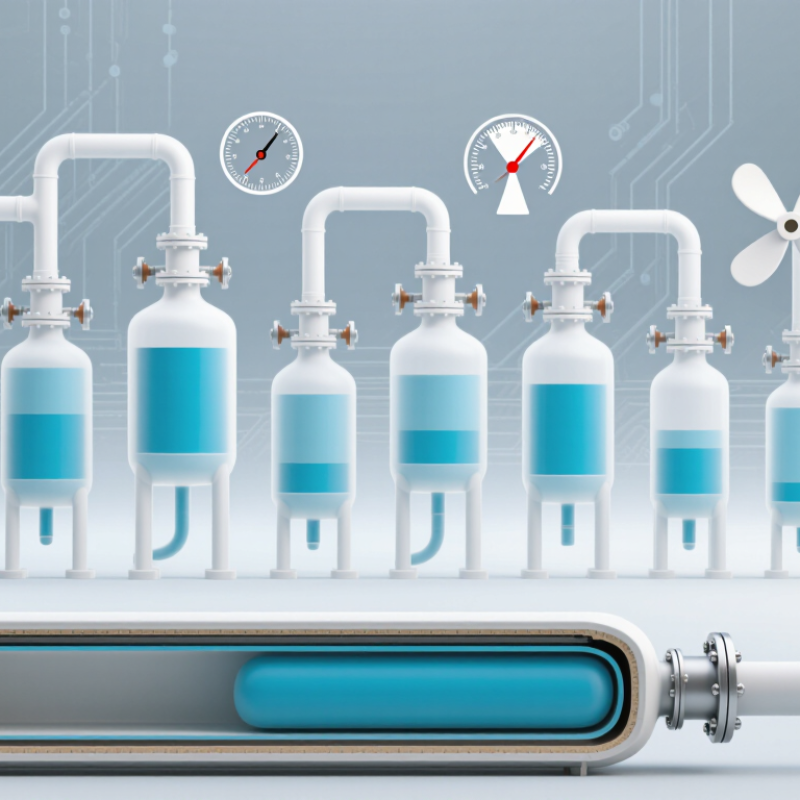
Fluoropolymer-Lined Reactors: Design, Materials, and Applications
Fluoropolymer-lined reactors combine a strong steel shell with a chemically resistant inner surface. Common lining materials include PFA, PTFE, and ETFE. Selection depends on process chemistry, temperature, pressure, and cleaning requirements. The shell carries mechanical loads; the lining separates the product from metal. Small details matter. Nozzle edges, agitator clearances, and anchor points need careful design because poor geometry can strain or damage the lining.
Heat transfer deserves close attention. Fluoropolymer linings generally conduct heat less effectively than metal, so heating and cooling may take longer. Designers should check operating limits, thermal cycling, vacuum conditions, and permeation risks against the supplier’s technical data. A material compatibility chart is useful, but it cannot replace testing with the actual mixture and process conditions. Not just chemistry.
Applications include handling corrosive intermediates, specialty chemicals, and high-purity process fluids. Grand View Research’s 2024 fluoropolymers market report estimated a global market value of about US$11.25 billion in 2023, with projected growth through 2030. That figure describes the broader materials market, not reactor sales, but it reflects sustained industrial use. One point is easy to miss: a lining can resist a chemical yet still fail under abrasion, poor installation, or repeated temperature swings. Careful inspection and realistic operating records matter.
| No. | Supplier Evaluation Area | Common Industry Options | Typical Applications | Key Details to Verify |
|---|---|---|---|---|
| 1 | Reactor lining material | PTFE, PFA, and FEP linings are used where chemical resistance and low surface adhesion are required. | Corrosive chemical processing, specialty chemicals, and pharmaceutical production. | Confirm compatibility against the complete chemical mixture, concentration, temperature, and cleaning agents. |
| 2 | Vessel construction | A corrosion-resistant fluoropolymer lining is commonly installed inside a structural metal pressure-vessel shell. | Batch and semi-batch processes involving corrosive liquids or vapors. | Review shell material, lining attachment method, vessel code basis, and the supplier’s inspection documentation. |
| 3 | Temperature limits | Allowable operating temperature depends on the fluoropolymer grade, lining thickness, pressure, and reactor design. | Processes requiring thermal control, heating, or cooling. | Request the rated operating and design temperatures for the complete lined assembly, not just the resin. |
| 4 | Pressure and vacuum design | Pressure and vacuum capability are determined by the engineered vessel and lining system; they are not interchangeable across designs. | Reactions conducted under pressure, reduced pressure, or changing pressure conditions. | Check design pressure, external-pressure resistance, vacuum rating, applicable codes, and operating cycles. |
| 5 | Agitation system | Impeller, shaft, baffles, and wetted components can use fluoropolymer protection or other specified corrosion-resistant materials. | Mixing, suspension, dissolution, and heat- or mass-transfer operations. | Confirm wetted-part materials, shaft sealing arrangement, speed range, torque, and compatibility with solids. |
| 6 | Nozzles and connections | Manways, process nozzles, drain connections, and instrument ports require lining continuity and suitable flange details. | Feed and discharge, sampling, venting, instrumentation, and cleaning connections. | Check nozzle geometry, lining termination, gasket compatibility, and access for inspection or maintenance. |
| 7 | Heat-transfer arrangement | Jackets, coils, or external heat-transfer systems may be specified depending on the reactor process and vessel design. | Temperature-sensitive reactions and processes requiring controlled heating or cooling. | Confirm heat-transfer duty, utility conditions, temperature uniformity, and whether the lining affects the required performance. |
| 8 | Quality inspection | Inspection plans may include visual examination, dimensional checks, and lining integrity tests appropriate to the construction. | Safety-critical or contamination-sensitive chemical operations. | Request material traceability, inspection records, acceptance criteria, and documentation for repairs or retesting. |
| 9 | Cleaning and maintenance | Cleaning procedures must suit the lining material, process residue, and reactor geometry. | Multi-product batch production and processes with frequent changeovers. | Verify permitted cleaning chemicals, mechanical-cleaning restrictions, inspection access, and repair procedures. |
| 10 | Project and service support | Supplier scope may include process review, custom engineering, documentation, installation guidance, and after-sales service. | New installations, replacement vessels, and plant upgrades. | Clarify design responsibility, delivery scope, commissioning support, spare parts, warranty terms, and service coverage. |