Top 10 5 Axis Machining Benefits for Global Buyers
Global buyers are looking beyond cutting speed. They need accuracy, flexibility, and predictable production costs. That is where 5 axis machining becomes strategically important.
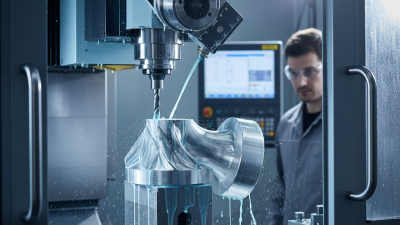
MarketsandMarkets reports that the global CNC machine market is expected to grow strongly through 2028, driven by aerospace, automotive, medical, and energy applications. Grand View Research also identifies automation and complex component production as major manufacturing trends. These findings reflect a practical shift: buyers increasingly want one machine to manage multiple surfaces with fewer interruptions. A turbine blade, for example, can move through angled cuts without repeated clamping. That can reduce setup errors, tool changes, and handling time.
Dr. Yusuf Altintas, a leading manufacturing scientist and author of Manufacturing Automation, has stated, “The machine tool is the mother machine.” His principle fits five-axis production well. The machine itself influences accuracy, repeatability, and process efficiency. However, five axes are not a magic solution. Poor post-processing, weak fixturing, or inexperienced programming can erase expected benefits. That uncomfortable point deserves attention.
This guide examines ten measurable benefits for global buyers, including shorter cycle times, improved surface quality, reduced setups, and better access to complex geometries. It also considers training, maintenance, software compatibility, and total ownership cost. Those details matter. A machine that looks impressive in a showroom may perform differently on a crowded factory floor. Reliable purchasing decisions require verified tolerances, sample parts, service response times, and realistic production data.
What Five-Axis Machining Means in Global Manufacturing
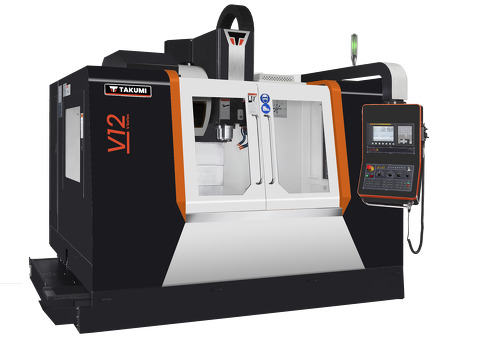
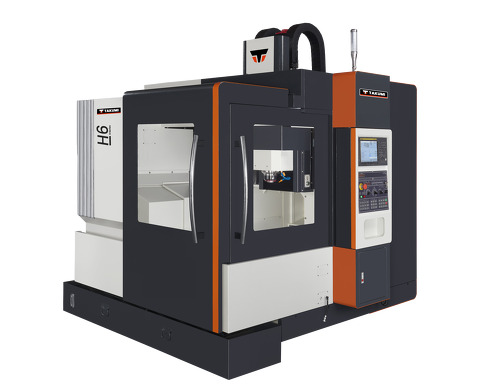
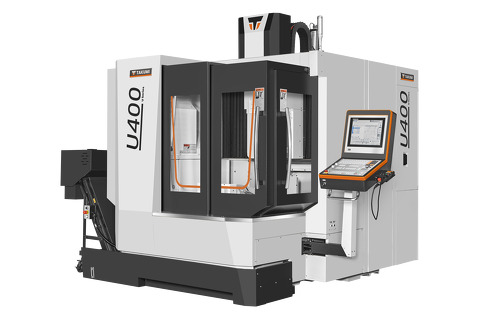
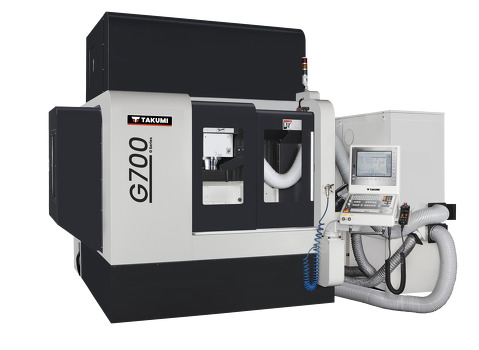
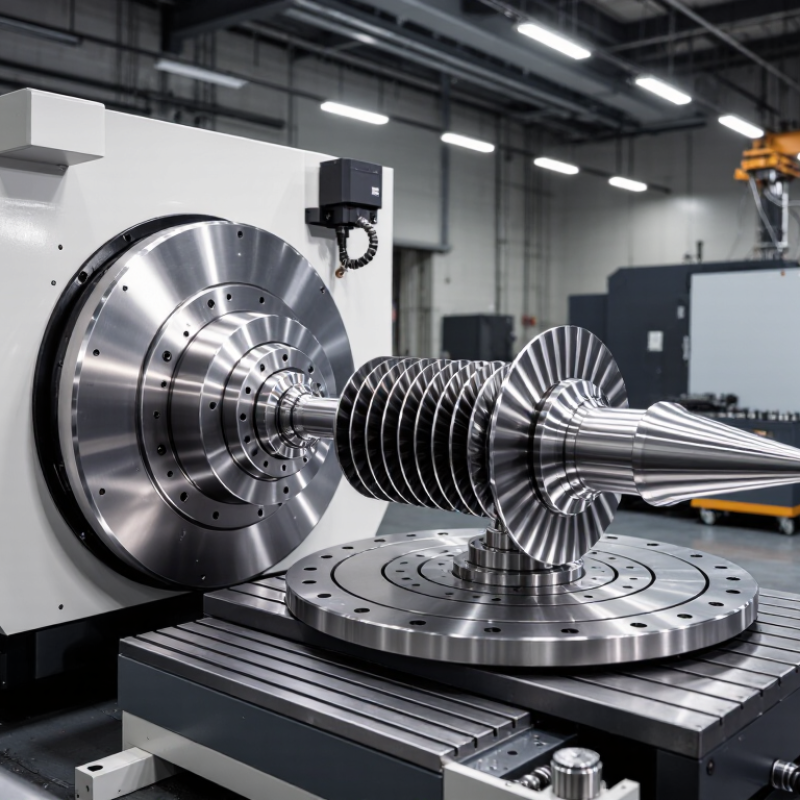
Five-axis machining means controlling three linear movements and two rotary movements in one coordinated process. Unlike a three-axis machine, the cutting tool can approach a part from several angles. This reduces repeated setups and improves access to deep cavities, angled faces, and curved surfaces.
In global manufacturing, this capability supports more consistent production across locations. A complex aerospace bracket, medical housing, or turbine component may require only one secure fixture. Fewer transfers can reduce alignment errors, handling time, and surface damage. Tool orientation also remains closer to the ideal cutting angle, which can improve finish quality and extend tool life.
The benefits are not automatic. A five-axis machine still depends on accurate CAD data, reliable CAM programming, skilled operators, and calibrated inspection equipment. A poor toolpath can create collisions, vibration, or uneven stock removal. It is easy to overstate the technology.
Global buyers should review tolerance records, material experience, inspection methods, and production capacity before placing an order. Ask how the supplier controls datum changes between machining and inspection. Request sample reports with dimensional results, not only polished photographs. Communication matters too, especially when drawings, units, and standards cross borders.
Not every part needs five axes. Simple blocks may cost less on a three-axis machine. For complicated geometry, however, fewer setups can support better repeatability and shorter lead times. The difficult question is not whether five-axis machining looks advanced. It is whether the process matches the part, tolerance, quantity, and delivery risk.
Precision and Quality Benefits for Complex Components
Top 10 5 Axis Machining Benefits for Global Buyers
Precision and quality matter most when components include deep cavities, angled holes, or blended surfaces. Five-axis machining reaches these features with fewer setups. That reduces datum changes, fixture errors, and visible witness marks. It also keeps the cutting tool closer to the ideal angle. Surface finish can improve, especially on contoured aerospace, medical, and energy parts.
Deloitte’s 2023 Smart Manufacturing and Operations Survey found that 86% of manufacturing leaders view smart manufacturing as important for competitiveness within five years. Five-axis equipment supports that direction through repeatable programs, digital inspection records, and efficient fixture planning. ISO 230-2 provides standardized methods for evaluating positioning accuracy and repeatability. Still, a precise machine cannot rescue poor fixturing or weak process control. That part is often underestimated. A small setup error can travel across every finished component.
Tips:
Ask suppliers for capability studies, not only machine specifications. Request Cpk data for critical dimensions, calibration records, and inspection methods. Confirm whether measurements use the same datums shown on your drawings. Review tool-life controls for difficult materials. A perfect sample may hide an unstable process. Include first-article inspection and realistic tolerance reviews before production.
Productivity and Cost Advantages in International Production
Top 10 5 Axis Machining Benefits for Global Buyers
For global buyers, five axis machining can reduce setup changes and improve production flow. A component may reach five faces in one clamping. This often lowers handling time, fixture costs, and alignment errors. In a qualified process, cycle times can fall by 15% to 30%, depending on geometry and material. Better tool access also supports smoother surfaces, tighter features, and fewer manual finishing steps. Small gains matter. They become significant across repeated international orders.
The commercial benefits extend beyond the machine cycle. Fewer setups can reduce labor demand and shorten lead times. More consistent parts can simplify incoming inspection at overseas facilities. Digital process records also help buyers compare batches, investigate deviations, and maintain quality agreements. For export production, reliable repeatability is valuable. It can reduce urgent replacements, shipping delays, and excess safety stock. Complex parts may also require fewer separate components, lowering assembly work and packaging volume.
However, five axis machining is not automatically the cheapest option. Programming, simulation, operator training, and equipment investment can increase initial costs. Poor tool paths may create chatter or unnecessary motion. We have seen estimates fail when fixture design was treated as an afterthought. Buyers should review material, tolerance, batch size, inspection methods, and delivery terms together. A practical supplier should provide sample data, process capability evidence, and clear assumptions. That transparency supports better decisions, even when the final savings are smaller than expected.
Design, Material, and Application Flexibility
Top 10 5 Axis Machining Benefits for Global Buyers
Design, Material, and Application Flexibility
Five-axis machining gives designers more freedom than fixed-axis cutting. A single setup can reach angled faces, undercuts, deep pockets, and curved channels. This reduces fixture changes and protects alignment between critical features. On a turbine blade, the cutter can follow the surface instead of forcing several rough approximations. That matters.
Material choice also becomes more practical. Aluminum, titanium, hardened steel, and nickel-based alloys need different cutting strategies. Five-axis tool orientation helps maintain a stable contact angle and manage heat. The result can mean fewer marks, less rework, and better access inside complex parts. According to the International Federation of Robotics’ World Robotics 2024 report, 541,302 industrial robots were installed globally in 2023, up 2% year over year. This reflects a wider shift toward automated, flexible production.
Applications extend across aerospace structures, medical components, energy equipment, molds, and precision prototypes. A global buyer can request one complex geometry without splitting it into many simple parts. However, five-axis is not automatically better. Programming, post-processing, collision checking, and operator skill remain decisive. That caveat matters. A poorly planned toolpath may increase cycle time or leave uneven surfaces. Experienced shops therefore review material hardness, tolerance zones, tool reach, and inspection access before quoting. A 200-millimeter cavity may look achievable on screen, yet require a shorter tool, slower feed, and another finishing pass.
How Global Buyers Can Evaluate Five-Axis Machining Suppliers
Global buyers evaluating five-axis machining suppliers should look beyond impressive machine lists. A five-axis center can tilt and rotate parts, but capability depends on programming, tooling, inspection, and operator experience. Ask for tolerance examples from similar materials and geometries. A thin aluminum housing and a hardened steel impeller require different cutting strategies.
Request measurable evidence. Useful documents include inspection reports, calibration records, material certificates, and process-control plans. Check whether the supplier uses probe measurement, optical inspection, or coordinate measuring equipment. Review how they manage revision changes. One unclear drawing note can create expensive rework. Confirm spindle capacity, maximum workpiece size, surface-finish targets, and realistic monthly output. Also examine communication across time zones. Fast replies are helpful, but technically accurate replies matter more.
Tips: Send a complete sample drawing and request a manufacturability review. Ask the supplier to identify difficult features before quoting. Compare lead times, packaging methods, export documents, and corrective-action procedures. Request a small pilot order when practical. It reveals more than a sales presentation. No supplier is perfect. A polished website proves little. Even experienced buyers can overlook inspection timing or fixture costs. Keep these risks visible in the purchase agreement, and require written approval for any process or material change.
Top 10 5 Axis Machining Benefits for Global Buyers
How Global Buyers Can Evaluate Five-Axis Machining Suppliers
This buyer-focused evaluation model assigns the highest weight to dimensional accuracy, repeatability, and process capability because these factors directly affect part quality, assembly performance, and production consistency. Global buyers should verify each category through inspection reports, machine capability records, sample parts, traceability documentation, and on-time delivery history.
Weighting model: 100 total points. The values are procurement evaluation criteria rather than company or brand performance data.