Top Tips for Choosing the Best Cable Drag Chain Manufacturers?
When selecting the best Cable Drag Chain Manufacturers, key considerations arise. The industry is vast, and choices can be overwhelming. Understanding your specific needs is crucial. A high-quality cable drag chain ensures smooth operation and longevity.
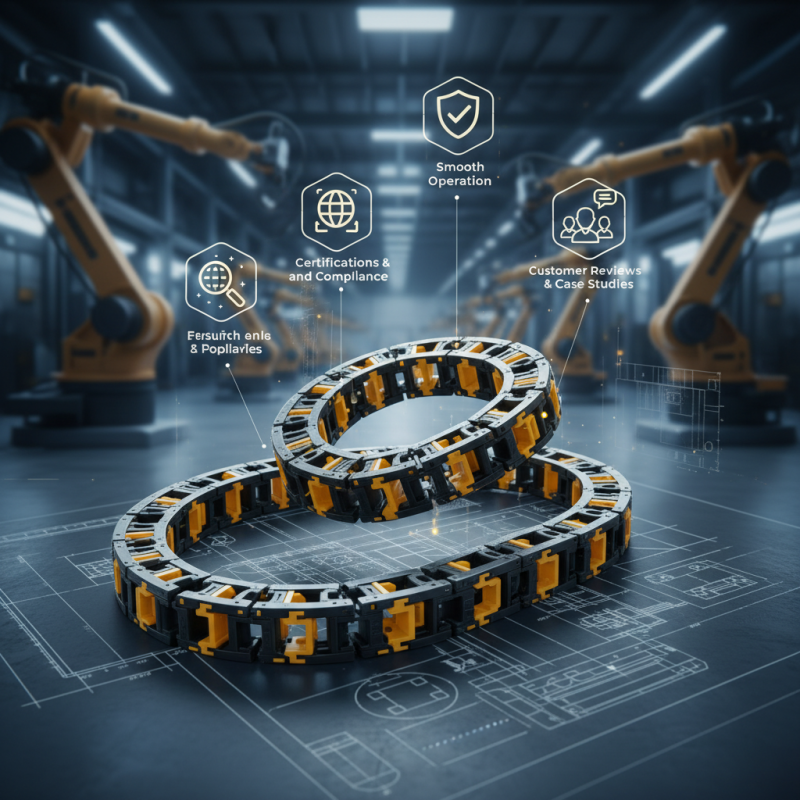
Research plays an essential role in this process. Look for manufacturers with a proven track record. They should have experience in different industries, showcasing their versatility. Also, check for certifications and compliance with international standards. These factors reflect their commitment to quality and reliability.
Consider customer reviews and case studies to gauge satisfaction levels. Engaging with reputable manufacturers can provide insights into product offerings and innovations. This knowledge can guide your decisions. Reflecting on these aspects will lead you to the best cable drag chain manufacturers that meet your criteria.
Understanding Cable Drag Chains: Key Functions and Applications
Cable drag chains serve a critical role in industrial settings. They are designed to protect and guide cables and hoses in moving machinery. These chains prevent tangling and wear, ensuring smooth operation. In manufacturing, they are often found in CNC machines, robotic arms, and conveyor systems. The reliable function of a cable drag chain can significantly impact productivity and equipment lifespan.
Choosing the right cable drag chain involves understanding the specific needs of your equipment. Consider the environment where it will be used. Factors like temperature fluctuations, exposure to dust, and moisture levels are essential. An unsuitable choice may lead to frequent breakdowns. It’s also vital to assess the chain’s load capacity and flexibility. A mismatch here can hinder performance or cause operational failure.
Reflecting on experiences, it's clear that manufacturers often overlook compatibility. Not all chains fit all machines. This can lead to costly repairs and downtime. Gathering feedback from peers or industry experts can help avoid this pitfall. Ultimately, investing time in understanding applications and requirements pays off in the long run.
Top Tips for Choosing the Best Cable Drag Chain Manufacturers
| Criterion | Description | Rating Scale (1-5) | Importance (1-5) |
| Quality of Materials | Evaluate the type and quality of materials used in cable drag chains. | 4 | 5 |
| Customization Options | Look for manufacturers that offer customized solutions to fit specific needs. | 5 | 4 |
| Lead Time | Assess the average lead times for production and delivery. | 3 | 3 |
| Technical Support | Consider the level of technical support and service provided post-purchase. | 4 | 5 |
| Reputation | Research the manufacturer’s reputation and customer reviews. | 5 | 5 |
| Cost Effectiveness | Evaluate pricing in relation to the features and quality offered. | 3 | 4 |
| Delivery Options | Check for flexibility in delivery schedules and options. | 4 | 3 |
Evaluating Manufacturer Quality: Certifications and Industry Standards
When selecting cable drag chain manufacturers, evaluating their quality is crucial. Certifications and industry standards serve as benchmarks for reliability. A manufacturer with ISO certification demonstrates commitment to quality management. Look for compliance with relevant standards like UL or CE. These certifications indicate rigorous testing and adherence to safety norms. They reflect a manufacturer’s dedication to producing high-quality products.
It’s important to recognize not all manufacturers may have these credentials. Some might cut corners in quality assurance processes. This can lead to subpar products that fail in demanding environments. Engage with suppliers to ask for documentation of their certifications. Understanding the production processes provides insight into potential weaknesses. This will help avoid disappointment and costly mistakes in the future.
Additionally, consider the manufacturer's track record. Reviews and testimonials can point to their reliability. However, not all feedback may be objective or trustworthy. Investigating case studies or projects they've handled can expose their practical experience. A thorough evaluation of these factors will empower buyers to make informed decisions.
Comparative Analysis: Selecting Drag Chains Based on Material Types
When choosing drag chains, material type plays a crucial role. Various materials can significantly impact durability, flexibility, and load capacity. For instance, plastic chains are lightweight and resistant to corrosion. They are ideal for environments requiring high mobility. However, they may not handle extreme temperatures well.
In contrast, metal drag chains offer superior strength and stability. They can endure harsher conditions but tend to be heavier than their plastic counterparts. This could limit their application in some dynamic uses. Rubber chains, while offering a good compromise, are often overlooked. They provide decent flexibility and shock resistance, making them suitable for moderate loads.
Understanding material properties is essential for informed decisions. Each material has strengths and weaknesses that need careful evaluation. At times, a mixed approach might be necessary to meet specific operational demands. It’s worth considering what environment the chains will be used in. Balancing these factors will help you select the best drag chain for your needs.
Cost versus Performance: Balancing Budget and Product Longevity
When selecting a cable drag chain manufacturer, understanding the balance between cost and performance is crucial. Price alone should not dictate your choice. High-performance products often justify a higher initial investment. Their durability can save money over time, reducing the frequency of replacements. Consider the lifespan of the product alongside its cost.
Evaluate the materials used in the drag chains. Higher-quality materials typically offer better performance and longevity. This is especially important in demanding environments. A cheaper alternative may work short-term but lead to higher costs due to failure. Reflect on how often you want to replace a product. Sometimes spending more upfront is wiser.
Customer reviews can provide insight into reliability. However, take them with caution. Look for detailed feedback rather than generic praises. Seek manufacturers that offer a warranty and clear support channels. This reflects their confidence in their product. Keep in mind that performance might vary based on specific applications. Assess your unique needs carefully.
Cost vs Performance Analysis of Cable Drag Chain Options
Customer Support and Warranty: Ensuring Long-Term Satisfaction in Choices
When selecting cable drag chain manufacturers, understanding customer support and warranty services is vital. A research report from the International Association of Cable Management Systems highlighted that 70% of customers value comprehensive support during and after purchase. A robust support system ensures that companies can resolve issues quickly, maintaining production uptime.
Warranties are equally important. According to a market analysis by the Global Manufacturing Research Group, a longer warranty period often indicates a manufacturer’s confidence in their product. Many manufacturers offer warranties ranging from one to three years. However, some only cover material defects, leaving customers vulnerable. It's essential to read the fine print and understand what is covered.
Consider feedback from existing customers. Online forums and reviews can provide insights into a manufacturer's reliability. Some manufacturers might excel in product quality but lack sufficient support. Be wary of overly positive reviews, as they may not reflect genuine experiences. Authentic customer reviews often reveal both strengths and weaknesses of a manufacturer. By focusing on customer support and warranties, you can make a more informed choice in the often complex field of cable drag chains.