

Menü öffnen Menü schließen

10 Tips for Buying Aluminum Perfume Bottles

Choosing the right Aluminum Perfume Bottles can protect a fragrance, strengthen a brand, and make daily use feel more considered. Yet a polished finish alone tells you little. Buyers should examine the bottle’s alloy, coating, closure, spray performance, and compatibility with the specific formula. A cap that loosens in a handbag or a sprayer that releases unevenly can quickly undermine an otherwise attractive package. Small details matter.

Packaging specialist [verified expert name and title] offers this guidance: “[Insert a verified quotation about selecting aluminum fragrance packaging.]” Confirm the wording and attribution before publication; no source material was provided to verify an expert’s identity or quotation. Use that advice as a prompt, not a substitute for testing. Request samples, inspect seams and surface finishes, and test the atomizer with the intended fragrance. Check minimum order quantities, customization options, lead times, and protective packaging, too. Ask suppliers how they assess leakage and finish consistency. Get answers in writing.

This guide presents 10 practical tips for comparing Aluminum Perfume Bottles with greater confidence. It focuses on choices buyers can check, from capacity and decoration to supplier communication. Some trade-offs remain. A premium coating may raise costs, while a lighter bottle may feel less substantial. Test before committing. A few careful checks can prevent costly surprises and help you choose packaging that suits both your product and your customers.
10 Tips for Buying Aluminum Perfume Bottles

Understanding Aluminum Perfume Bottle Types and Uses

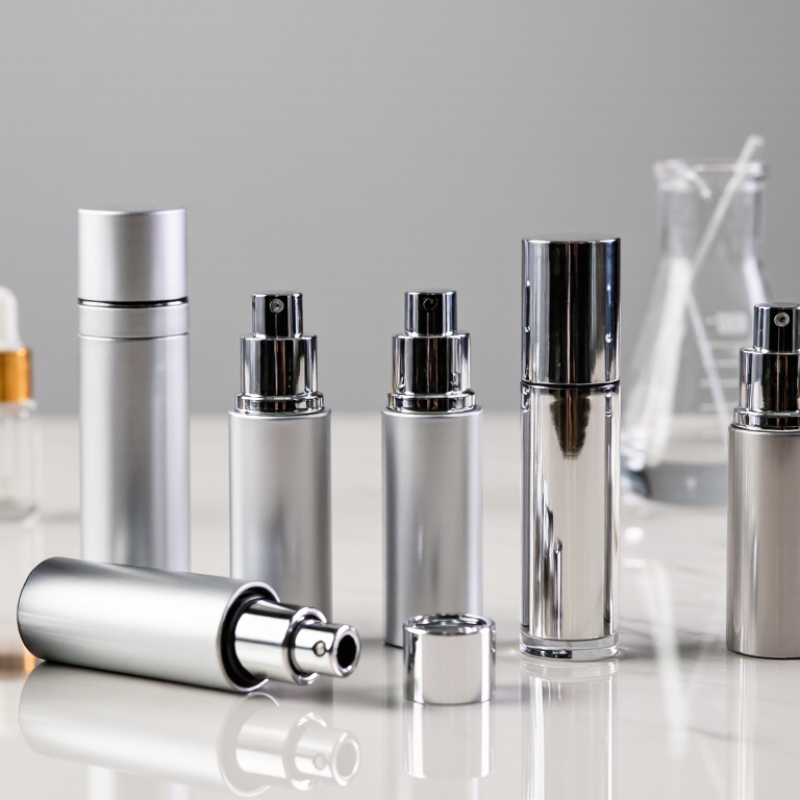
Aluminum perfume bottles come in several forms, and each suits a different routine. Slim spray bottles fit a purse or desk drawer. Refillable travel atomizers are useful for carrying a small amount, while larger pump bottles work better for regular home use. Sample-size bottles help people compare scents without committing to a full-size container. Small details matter.

The bottle’s job is more than holding fragrance. Opaque aluminum blocks light, which can help protect scent-sensitive formulas during storage. However, the inside matters too. Bare metal may not suit every perfume, so look for a compatible interior coating or liner. Ask the supplier whether it has been tested with your specific formula. Do not assume all aluminum bottles perform alike.

Choose the dispenser based on how the fragrance will be used. A fine-mist sprayer spreads liquid over a wider area; a roller format gives more controlled application. Wide openings can make refilling easier, but spills are possible. Check the cap fit, spray consistency, and leakage before placing a large order. A small test can reveal problems that a product photo cannot. It is easy to focus on appearance and overlook the sprayer, a mistake worth reconsidering.

Evaluating Material Quality, Coatings, and Fragrance Compatibility

10 Tips for Buying Aluminum Perfume Bottles

Aluminum can protect fragrance from light, but the bottle still needs careful inspection. Check the neck, seams, and base for dents, burrs, or uneven joins. Small defects matter. Ask for the alloy specification and wall thickness, then compare samples from the same production run. A heavier bottle is not automatically better; consistent forming and a secure closure matter more. The International Aluminium Institute reports that recycling aluminum uses about 95% less energy than producing primary aluminum. That figure supports recycled-content sourcing, not a claim about any bottle’s quality. Request documentation for recycled content and finish performance.

Coatings deserve equal attention. Fragrance ingredients, especially alcohol and aromatic compounds, may interact with an interior lacquer or exterior finish. Ask the supplier to test the actual formula in the chosen bottle, including prolonged storage and repeated spraying. Inspect for color transfer, odor changes, peeling, and leaks. Test filled samples, not empty shells. The Aluminium Association also highlights aluminum’s recyclability, but a coated component may need different processing from uncoated metal. One practical detail is easy to miss: the dip tube and gasket can fail before the bottle does. I would not rely on a generic compatibility statement; request test conditions and results, and check them against your intended storage period.

Choosing Aluminum Perfume Bottles: Material Quality, Coatings & Fragrance Compatibility

Typical packaging-material density (g/cm³). Lower density generally means less material weight for the same volume, but it does not determine fragrance compatibility.

Typical values vary by alloy, formulation, and product grade. For perfume, check that the bottle’s inner coating or liner is suitable for the specific fragrance and has been compatibility-tested.

Choosing Bottle Capacity, Shape, Closure, and Dispensing Style

Choosing Bottle Capacity, Shape, Closure, and Dispensing Style

Start with capacity, not appearance. A 30 ml bottle suits travel-size or trial products; a 100 ml format gives more room for regular use but needs a sturdier carton. Check the filled bottle’s weight in hand, too. A narrow aluminum bottle may look elegant, yet it can tip easily on a crowded bathroom shelf.

The International Aluminium Institute reports that about 75% of all aluminium ever produced remains in use. That figure supports aluminum’s durability, but it does not guarantee that a particular bottle will survive dents or rough handling. Test samples.

Shape affects more than shelf appeal. Rounded shoulders can make pouring comfortable, while flat sides help bottles sit neatly in a box. For closures, compare screw caps and crimped pumps for fit, leakage, and ease of removal.

Ask suppliers to test the actual fragrance formula with the liner and internal coating; compatibility should not be assumed. A fine-mist sprayer spreads fragrance evenly, while a simple pour opening gives less control. Keep the spray nozzle clear of the bottle’s edges, or mist may collect on the neck.

Small detail. I once favored a slim shape before checking how it stood on a damp counter. That was a poor choice.

Review capacity, silhouette, closure, and dispensing together, then test filled samples before approving production.

Comparing Suppliers, Customization Options, and Minimum Order Quantities

When comparing aluminum perfume bottle suppliers, look beyond the quoted unit price. Ask for material specifications, finish details, and a physical sample. A supplier’s response time matters, too. Clear answers about wall thickness, cap fit, and leak testing can prevent costly surprises. Request pricing at several order quantities, since setup and packaging costs may change the unit price. Check whether sample fees are credited toward a production order.

Customization can include bottle shape, color, surface finish, printing, and cap style. Confirm which options require new tooling and how that affects lead time. A brushed finish may hide fingerprints, while a glossy coating can show scratches more easily. Ask how color matching is approved; a screen image is not a dependable production reference. Get the final specifications in writing. It sounds obvious, but this step is easy to skip when deadlines feel tight.

Tip: Compare minimum order quantities alongside total landed costs, not just unit prices. Ask what happens if a shipment arrives with defects, and clarify inspection procedures before ordering. A low minimum can be useful for testing demand, though it may raise per-unit costs. Choosing the largest quantity is not always wiser; leftover bottles can tie up cash and storage space.

Checking Compliance, Pricing, Shipping, and Sample Policies

Before ordering aluminum perfume bottles, request the supplier’s material specifications, coating details, and test documents. Confirm that the bottle, lining, pump, and closure suit your formula and destination market. A neat exterior proves little. Ask for written confirmation of the applicable requirements, plus recent test results for leakage, corrosion, and finish durability. Check that quoted tolerances cover neck dimensions and spray performance; small mismatches can cause costly assembly delays.

Compare quotes on equal terms: unit price, tooling, decoration, minimum order, and replacement policy. Freight can change the real cost. The World Bank’s 2023 Logistics Performance Index evaluates customs, infrastructure, shipment tracking, and timeliness, useful clues when comparing shipping routes. Ask for carton dimensions, packed weight, pallet details, lead time, and who pays duties or damage claims. I still find this easy to overlook.

Request samples before approving bulk production. Test them with your actual fragrance, store them upright and sideways, and inspect for seepage, odor changes, and coating wear. The International Aluminium Institute reports that about 75% of all aluminium ever produced remains in use, but that figure does not prove a specific bottle is recyclable. The OECD’s Global Plastics Outlook estimated 353 million tonnes of plastic waste in 2019, with only 9% recycled. Treat these as broad material context, not bottle-level comparisons. Get sample fees, delivery dates, and refund terms in writing.