What is a Smart Charger and How Does It Work?
A Smart Charger is an innovative device designed to enhance the charging experience for various electronic gadgets. These chargers automatically adjust their output based on the device’s needs. This means devices receive the optimal amount of power during charging. The technology behind Smart Chargers is quite sophisticated, making them efficient and user-friendly.
In today's fast-paced world, having a reliable charging solution is crucial. Smart Chargers prevent overcharging, which can harm battery life. They are equipped with features like temperature control and compatibility with multiple devices. Users appreciate the convenience of knowing their devices are in good hands.
However, despite their advantages, some may question their reliability. As with all technology, issues can arise. Not all Smart Chargers offer the same level of quality. It is essential to choose a reputable brand to ensure safety and performance. Ultimately, understanding the workings of a Smart Charger can lead to more informed choices in our tech-driven lives.
What is a Smart Charger?
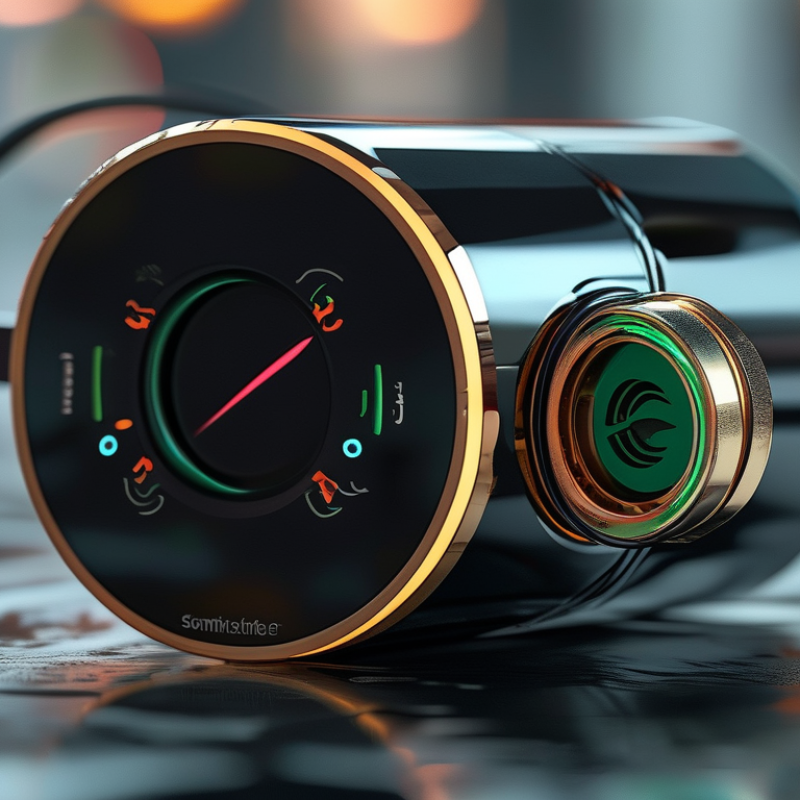
A smart charger represents a significant advancement in charging technology. Unlike traditional chargers, smart chargers can communicate with devices to optimize charging efficiency. They adjust the power output based on the device’s needs, which can reduce charging time and extend battery life.
Industry reports indicate that smart chargers can increase energy efficiency by up to 30% compared to standard chargers. This efficiency is crucial as the proliferation of electronic devices continues. For instance, the International Energy Agency (IEA) projects that global energy consumption from chargers could reach 100 terawatt-hours per year by 2030 if trends continue. This data highlights the growing importance of adopting smarter solutions.
Smart chargers typically feature built-in software that learns charging patterns. They can also protect against overcharging, which is a common issue. However, despite the advantages, the adoption of smart chargers may still face hurdles. Some users express concerns about complexity and potential compatibility issues. Understanding the balance between innovation and user experience is essential in this evolution.
Electric Vehicle Smart Charger Efficiency
The Technology Behind Smart Chargers
Smart chargers employ advanced technology to optimize the charging process. They utilize communication protocols to converse with devices. This allows for real-time adjustments to the charging speed and power output. As a result, charging is safer and more efficient.
The core technology behind smart chargers often includes microcontrollers and sensors. These components monitor voltage and current levels consistently. When a device is near full charge, the smart charger can reduce power flow. This minimizes the risk of overheating and battery degradation. Many smart chargers also feature AI algorithms, improving performance over time.
Finding reliable smart chargers can be challenging. Not all products meet safety standards or provide effective charging. Some may lack proper certifications, leading to potential hazards. Users need to be cautious and conduct research before selecting chargers. This will ensure they operate safely and efficiently, enhancing their devices' longevity.
Key Features of Smart Chargers
Smart chargers are revolutionizing the way we power our devices. They incorporate advanced features that enhance charging efficiency and user experience. One key feature is adaptive charging. This technology allows the charger to communicate with the device to adjust power levels. According to a market research report by Grand View Research, the global smart charger market is expected to reach $10.6 billion by 2027, highlighting increased demand for this innovation.
Another notable aspect is energy efficiency. Smart chargers can automatically shut off when devices are fully charged. This not only protects battery health but also saves energy. The U.S. Department of Energy states that energy waste from chargers left plugged in can account for 5-10% of a household's energy consumption. By using smart chargers, households can potentially reduce their energy bills significantly.
User convenience is another essential feature. Many smart chargers include multiple charging ports to support various devices simultaneously. This versatility is becoming increasingly important in our multi-device world. However, not all chargers are created equal. Some may lack essential safety features, leading to overheating or other hazards. Understanding the risks is crucial when selecting a charger for your devices.
Benefits of Using Smart Chargers
Smart chargers utilize advanced technology to optimize the charging process of various devices. Their benefits are significant, particularly in terms of efficiency and convenience. They can adjust current and voltage based on the device's requirements. This leads to faster charging times without harming the battery’s lifespan.
One key benefit of smart chargers is their ability to prevent overcharging. This feature helps maintain battery health over time. Devices can charge at the optimal rate, reducing heat generation. Heat is a common factor that damages batteries. Using a smart charger can prolong your device's life, which is appealing to many users.
Here’s a tip: always check the compatibility of your smart charger with your devices. Not all chargers work seamlessly with every device. Another tip is to keep your charger updated with the latest firmware if available. Regular maintenance can enhance performance and safety. Remember, not all chargers are created equal, and investing in one with proven features can save you money in the long run.
Common Applications of Smart Chargers
Smart chargers are increasingly relevant in today’s tech-driven world. They serve multiple applications across various devices, enhancing charging efficiency and performance. One significant application is in electric vehicles (EVs). According to the International Energy Agency (IEA), the global stock of electric cars surpassed 10 million in 2020. Smart chargers play a crucial role in managing their charging needs, optimizing energy consumption when demand is low, and minimizing costs for users.
Additionally, smart chargers are prevalent in mobile technology. Modern smartphones can recharge in under an hour using optimized power delivery. Studies show that smart charging technology can decrease charging times by as much as 50%. This efficiency is vital, especially in a fast-paced world where users rely heavily on their devices. However, the implementation of smart charging can sometimes lead to complications, such as compatibility issues between devices and chargers.
Another notable application is in renewable energy systems. Smart chargers can maximize the use of solar energy by only charging devices when there is excess generation. Reports indicate that integrating smart chargers into home energy management systems can help reduce energy bills by up to 30%. Despite these benefits, users often encounter challenges in setting up these systems effectively. Therefore, understanding compatibility and operational nuances is essential for maximizing the benefits of smart chargers.