How to Choose a Central Driving Concentrator?
Choosing a Central Driving Concentrator is not just a matter of comparing diameter, price, or brochure capacity. The right unit must suit the material, throughput, settling behavior, and operating conditions at the site. A thickener handling fine, variable feed may need different rake torque and bed-control provisions than one treating a steady, coarse slurry. Small differences matter.
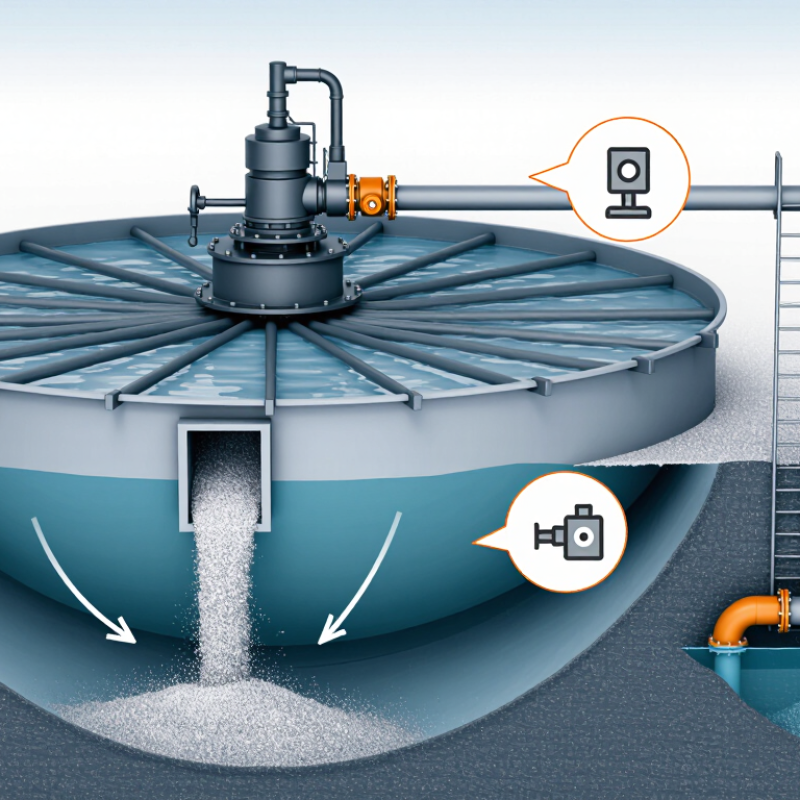
A credible selection starts with process data: feed solids, particle-size distribution, settling tests, target underflow density, and required overflow clarity. Then review the mechanical design. Check the drive’s torque rating, rake configuration, feedwell, lifting system, instrumentation, and access for maintenance. Picture the actual work: an operator checking a torque alarm, a technician reaching a drive component, or a pump drawing dense underflow. These details can reveal weaknesses that a capacity figure cannot.
Barry Wills is a respected mineral-processing author, but no verified quotation from him on this specific equipment choice is available here. A source-verified quotation should be added before publication; inventing one would undermine trust. The practical principle is simple: “Choose for the process duty, not the brochure.” Even a careful specification has limits. Ore properties change, test results vary, and real plants can expose assumptions that looked sound on paper. Use this guide to compare designs, identify questions for suppliers, and build a selection case grounded in measured data, operating experience, and transparent engineering review.
Define the Application and Required Capacity
Define the application before comparing equipment. A clinic with several treatment rooms has a different demand profile from a single recovery room. List each outlet, expected flow, operating hours, and which outlets may run at the same time. Then estimate peak simultaneous demand, not just average daily use. Small margins matter.
The WHO and UNICEF’s 2019 Technical Specifications and Guidance for Oxygen Therapy Devices describes concentrators commonly rated at 5 or 10 litres per minute. Treat these figures as equipment ratings, not a complete system-sizing answer. Add the expected flow from simultaneous users, then check whether the proposed system can maintain the required output and pressure across the distribution pipework. Ask a qualified medical-gas engineer to verify the calculation against the site layout and operating conditions.
I still find it easy to underestimate busy periods. A quiet ward at noon may not reflect demand during evening admissions. Consider foreseeable expansion, maintenance downtime, and backup supply as well. Record the assumptions behind the capacity estimate; otherwise, a neat number can hide a weak plan. The WHO-UNICEF report is a useful technical reference, but the final specification should reflect actual clinical workflows and measured demand.
Compare Concentration, Flow Rate, and Output Stability
How to Choose a Central Driving Concentrator?
Compare concentration, flow rate, and output stability under the same operating conditions. Oxygen concentration describes the oxygen level in the delivered gas; it is not the same as flow rate. Check the manufacturer’s stated concentration range at your intended flow, since concentration can change as flow increases. Match the unit’s available flow settings to the prescribed requirement, rather than assuming a higher maximum is always better. A specification sheet is useful, but real performance depends on setup and maintenance.
Output stability matters during extended operation. Look for test data showing concentration and flow across several hours, not just a single measurement. Note how the unit responds to changes in room temperature, power supply, and filter condition. If possible, ask a qualified technician to verify output with suitable measuring equipment. I would not rely on sound or a steady-looking display alone; those clues can be misleading. Confirm alarm functions and service intervals, too.
Tips: Compare readings at your expected flow. Keep filters clean and vents unobstructed. Ask how often output should be checked. If the device is for prescribed oxygen use, follow the clinician’s settings and report inconsistent readings promptly. A small detail can matter.
Check Installation Requirements, Safety, and Maintenance
Before choosing a central driving concentrator, compare its installation needs with the room and connected process—not just its rated output. Check floor loading, service clearance, power supply, airflow, and connection sizes in the technical manual. Measure the doorway and route, too; a unit may fit the plant room but fail to pass a narrow turn. Confirm whether the foundation needs leveling or vibration isolation, and arrange installation by qualified personnel. Small details matter. Keep access panels clear, and avoid heat, dust, or moisture sources unless the unit is rated for them.
Safety depends on the application. If the system handles oxygen, use specified oxygen-clean components and keep oil, grease, sparks, and combustible materials away. Never improvise fittings. For other gases or process media, follow the supplier’s hazard controls and the site safety lead’s guidance. Before startup, check guards, alarms, emergency stops, and leak-test procedures. Record baseline pressure, temperature, and sound so changes are easier to notice. Maintain the unit according to operating hours and service intervals. Inspect filters, belts, seals, drains, and electrical connections as applicable, with power isolated before service. Schedules do get missed; a simple dated log can help reveal gaps.
Review Standards, Warranty, and Total Cost of Ownership
How to Choose a Central Driving Concentrator?
Review standards before comparing prices. Ask for the exact model’s test reports, rated output, noise level, and operating limits. Confirm that the equipment configuration matches the standards applicable to your setting. A certificate alone may not cover every accessory or installation detail. Request clear maintenance intervals and written commissioning requirements. That matters.
Tips: Compare warranty terms line by line. Check coverage for parts, labor, travel, and response time. Ask what happens if a component fails after business hours. Keep the answers in writing.
Total cost of ownership includes more than the purchase price. Estimate electricity use, scheduled filter or component replacement, service visits, and likely downtime. For example, a unit in a warm, dusty utility room may need closer attention than one in a clean, ventilated space. Ask suppliers to show their assumptions; then compare estimates over the same period. Warranty exclusions can change the calculation sharply. I would be cautious about treating the longest warranty as the best value. It may cover only selected parts, and I may be missing a detail. Request a sample service schedule and a realistic parts-price list before deciding.