Menü öffnen Menü schließen

Top High Flow Boiler Condensate Pumps for Sale

A boiler room can look calm while condensate collects in a receiver, waits for return, and tests the limits of the installed pump. For facilities with several boilers, long return lines, or changing steam demand, dependable high-capacity handling matters. A High Flow Boiler Condensate Pump can help move hot condensate back toward the boiler system, but the right choice depends on real operating conditions, not a headline flow rate alone.

This guide to top high flow boiler condensate pumps for sale explains what buyers should compare before requesting a quote. Consider required flow, discharge pressure, condensate temperature, receiver size, and the distance the liquid must travel. Capacity matters. Too little can leave the receiver rising during peak demand; oversizing may add cost without solving the actual constraint. Neither outcome is ideal. Review pump materials, motor details, connection sizes, controls, and available service support. Confirm performance against the manufacturer’s published curves, and ask a qualified engineer to check the system assumptions when conditions are unclear. A product listing rarely tells the whole story. Installation layout, maintenance access, and the behavior of the existing return system can change what works in practice. The best purchase is not automatically the largest or most expensive model. It is the one that fits measured demand, operates reliably, and can be maintained by the people on site. That judgment deserves a second look before ordering.
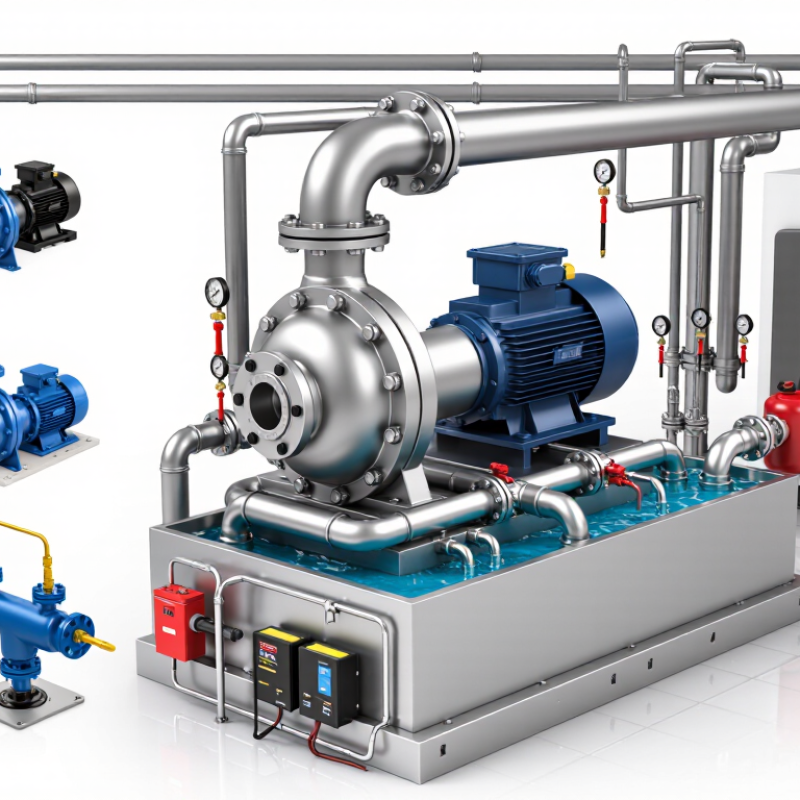
Top High Flow Boiler Condensate Pumps for Sale

What High-Flow Boiler Condensate Pumps Are

High-flow boiler condensate pumps collect returning steam condensate and send it back to the boiler system. Many use a receiver tank and an automatic control that starts the pump when condensate reaches a set level. “High-flow” describes the capacity needed for an application; it is not one universal pump-size category. The required flow depends on peak condensate return, discharge pressure, vertical lift, and pipe losses. Small details matter. A long return line can change the duty considerably.

The U.S. Department of Energy’s Steam Tip Sheet 8, Return Condensate to the Boiler, reports that each 10°F rise in feedwater temperature can increase boiler efficiency by about 1%. Its guide, Improving Steam System Performance, also identifies condensate recovery as a way to reduce makeup-water and treatment demand. These figures explain why pump selection affects more than moving liquid. Actual savings vary with system conditions.

For a sound comparison, check the pump’s rated capacity at the installation’s total dynamic head, not just its free-discharge rating. Confirm receiver volume, condensate temperature, and expected peak return. Hot condensate may flash as pressure falls, so suction conditions deserve attention. Real installations are rarely tidy. A pump that looks adequate during normal operation may struggle during startup or sudden load changes; operating records help reveal those peaks.

How Boiler Condensate Pumps Work

Boiler condensate pumps move hot water back to a boiler or into a return line when gravity cannot do the job. Steam releases heat in radiators, coils, or process equipment, then cools into liquid condensate. That water drains into a receiver tank. A float rises as the tank fills and activates the pump motor at a set level. The pump then pushes condensate through a discharge line against system pressure. When the level drops, the float stops the motor. A simple cycle, but details matter.

For high-flow service, check the required flow rate, discharge pressure, condensate temperature, and how often the pump will start. A pump that moves plenty of water at low pressure may struggle against a tall return line or a pressurized receiver. Hot condensate can also flash into steam if pressure drops too quickly, reducing pump performance. Keep suction piping short and properly sized, and follow the equipment maker’s limits for temperature and installation. Listen for rattling or irregular cycling; these can point to air, low inlet pressure, or an unsuitable operating point. A warm receiver room can make inspection uncomfortable, and that small practical detail is easy to overlook. Sizing from boiler output alone is not enough.

How Condensate Temperature Affects Pumped Volume

Approximate volume of 1,000 kg of liquid water at different temperatures

As condensate temperature rises, its density decreases, so the same mass occupies more volume. This illustrates one factor in pump selection; actual capacity requirements also depend on condensate return rate, lift, system pressure, and operating conditions.

Key Features and Performance Specifications

When comparing high flow boiler condensate pumps for sale, start with the duty point: required flow and total head at the same time. A pump rated for high flow may deliver much less once pipe friction and elevation are included. Check the performance curve, not just the maximum figures. Small details matter.

Condensate can be hot, so confirm the pump’s temperature rating and the system’s available suction pressure. Low suction pressure may cause cavitation, heard as a rough rattle and seen as unstable flow. Look for suitable casing and impeller materials, plus seals designed for the operating temperature. Also check motor power, voltage, and control compatibility. A receiver tank with enough usable volume can reduce short cycling during changing boiler loads.

Installation conditions deserve equal attention. Note the pipe size, discharge route, and any long vertical lift before selecting a model. Ask for the rated flow at your actual head, along with maintenance intervals and spare-part availability. A specification sheet can still leave gaps; I would verify assumptions with a qualified pump supplier or engineer. Not every “high flow” label fits every plant.

How to Compare High-Flow Pump Models

Compare high-flow condensate pumps at the duty point, not by advertised maximum flow. Check the pump curve against peak condensate return, discharge pressure, pipe losses, and vertical lift. A model rated for 40 gallons per minute may deliver much less at your system’s required head. Use measured return rates where possible. A bucket test can help, but it may miss short boiler-load peaks.

Temperature matters. Hot condensate has higher vapor pressure, which can reduce available suction head and increase cavitation risk. Compare the system’s NPSH available with the pump’s NPSH required, using actual fluid temperature and receiver conditions. Listen for rattling. It is not a diagnosis, but it deserves investigation. Also compare casing materials, seal specifications, motor duty, and control response against expected temperature and cycling frequency.

Energy use is worth checking, too. The U.S. Department of Energy’s Improving Pumping System Performance sourcebook reports that pumping systems use nearly 20% of global electricity demand, and 25–50% of energy in some industrial facilities. Those figures cover pumping broadly, not condensate pumps alone. Still, they support comparing input power at the real operating point. Review efficiency across the expected flow range, plus standby arrangements and service access. A perfectly sized pump on paper can disappoint if the receiver floods during brief return surges.

Where to Buy and What to Check Before Purchase

High-flow condensate pumps are best sourced through industrial pump specialists, commercial boiler suppliers, or manufacturers’ sales teams. Ask for a written duty-point recommendation, not just a model number. Share the condensate temperature, expected return rate, lift height, pipe length, and discharge pressure. A nearby supplier can help verify installation details and replacement-part availability. Online listings may be convenient, but vague performance tables deserve caution. Cheap can become costly.

Before buying, compare the pump’s rated flow at your actual total head; maximum flow alone can mislead. Check the allowable liquid temperature, materials, motor voltage and phase, receiver capacity, and control method. Confirm whether the unit handles occasional surges without frequent cycling. For hot condensate, ask about cavitation limits and required inlet conditions. Request a performance curve, dimensional drawing, warranty terms, and service guidance. I would also confirm the connection sizes against existing pipework; that small detail is easy to miss.

Tips: Photograph the boiler outlet and measure the available floor space. Get the supplier to confirm the duty point in writing. Keep a little margin, but avoid oversizing—the pump may short-cycle. If a specification is unclear, pause and ask. Guessing is not a good commissioning plan.

Top High Flow Boiler Condensate Pumps for Sale - Where to Buy and What to Check Before Purchase

Category What to Look For What to Confirm Before Purchase Why It Matters
Where to Buy
Boiler and steam-system equipment distributors Suppliers that can size condensate return equipment for the boiler and the complete steam system. Ask for a written selection based on required flow, total dynamic head, condensate temperature, and system pressure. A correctly selected pump must meet the duty point, not merely a headline maximum-flow figure.
Industrial pump distributors Distributors offering pump curves, technical support, spare parts, and service documentation. Confirm the quoted model’s operating point on its pump curve and check parts availability and warranty terms. Pump output changes with head; the published maximum flow may not be available at the required discharge pressure.
Boiler service and mechanical contractors Contractors familiar with condensate piping, receiver tanks, and boiler-room installation requirements. Confirm installation scope, electrical requirements, commissioning, and compatibility with the existing return line. Installation conditions, piping losses, and controls affect reliable operation.
Industrial e-commerce marketplaces Listings with traceable seller details, a complete data sheet, and clear return and warranty policies. Verify the exact model and configuration with the manufacturer’s documentation before ordering. Listings may omit temperature limits, motor details, or the pump curve needed to validate suitability.
Technical Checks Before Purchase
Required flow rate Use the calculated peak condensate return, expressed in a consistent unit such as m³/h or US gpm. Compare the required flow with the pump curve at the actual discharge head; ask the system designer to confirm any sizing allowance. Average boiler output alone may not represent peak condensate return.
Total dynamic head Account for vertical lift, required discharge pressure, and friction losses in the piping and fittings. Request the pump curve and confirm the duty point falls within the recommended operating range. Insufficient head can prevent the pump from delivering the required flow to the return system.
Condensate temperature and pressure Check the maximum continuous liquid temperature and pressure rating for the complete pump assembly. Compare ratings with the highest expected operating conditions, including start-up and upset conditions. Hot condensate can approach its saturation temperature at system pressure; flashing may occur if pressure falls.
Receiver and pump arrangement Determine whether a receiver-mounted unit, a separate receiver with a pump, or a duplex arrangement suits the return load. Confirm receiver capacity, inlet connections, venting requirements, float or level controls, and duty/standby sequence where applicable. Receiver and controls must accommodate incoming condensate and avoid excessive pump cycling or overflow.
Materials and seals Review wetted materials, casing, impeller, shaft, and seal or packing options. Confirm compatibility with condensate temperature, water quality, treatment chemicals, and expected corrosion conditions. Material suitability affects service life and maintenance requirements.
Motor and electrical supply Check motor power, voltage, phase, frequency, enclosure rating, and control-panel requirements. Match the nameplate and wiring requirements to the site supply and applicable local electrical rules. Electrical mismatches can prevent installation or create unsafe operating conditions.
Documentation and lifecycle support Request the data sheet, pump curve, installation instructions, wiring diagram, and parts list. Check warranty coverage, service access, expected maintenance, and availability of wear parts. Complete documentation supports correct installation, troubleshooting, and long-term maintenance.