Essential Tips for Choosing the Right Circulating Pump?
Choosing the right Circulating Pump can greatly influence system efficiency. According to John Smith, a leading expert in fluid dynamics, “A well-chosen circulating pump is essential for optimal performance.” This statement highlights the importance of making informed decisions when selecting a circulating pump.
Circulating pumps come in various sizes and types. Each pump serves a unique purpose in systems, from heating to cooling. Understanding your specific needs helps narrow down choices. For instance, a residential heating system may require a different pump than a commercial application.
Despite the available options, many still struggle with their selection. The process can be overwhelming. It's vital to consider flow rates, head pressure, and energy efficiency. Reflecting on these aspects can lead to better outcomes. A misstep in selection can lead to inefficiencies and increased costs. Therefore, thorough research and expert guidance are key to finding the right circulating pump for your needs.
Understanding the Basics of Circulating Pumps
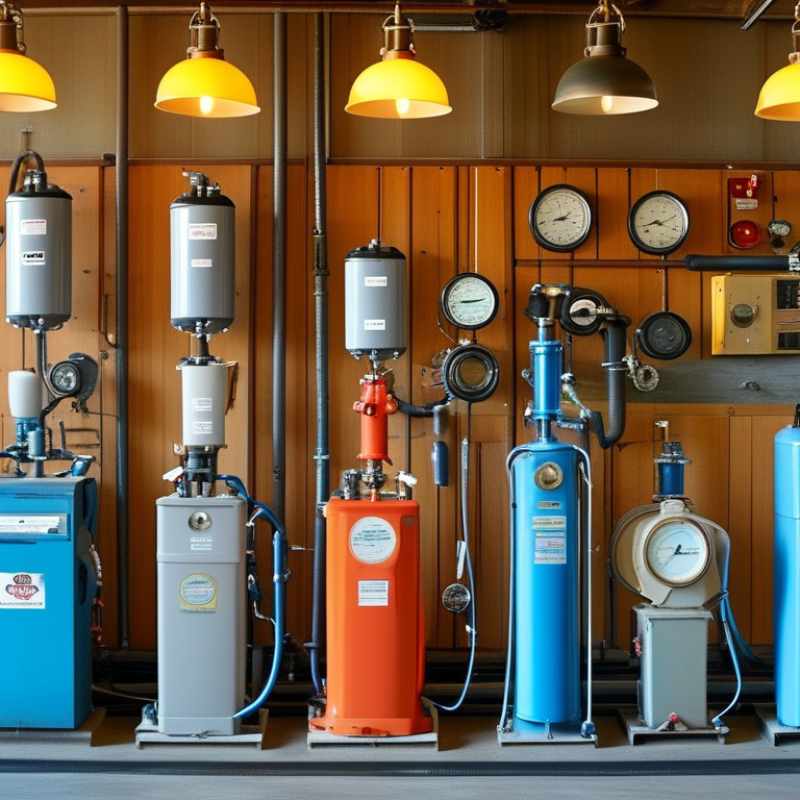
Understanding circulating pumps is essential for efficient heating and cooling systems. These devices move fluids through the system, ensuring even temperature distribution. According to the American Society of Heating, Refrigerating and Air-Conditioning Engineers (ASHRAE), proper pump selection can improve energy efficiency by up to 30%. Installing the right pump can significantly reduce energy costs while enhancing system performance.
When choosing a circulating pump, consider the flow rate and head. A pump's flow rate is often measured in gallons per minute (GPM). It refers to how much fluid can move within a certain time. Head, on the other hand, indicates the pump’s capability to overcome resistance in the system. Failing to match these specifications can lead to poor performance.
**Tip:** Always assess your system’s requirements before making a purchase. Many systems experience reduced efficiency and higher operating costs due to mismatched pump specifications.
Another crucial factor is the pump's material. Materials can impact durability and efficiency. For example, bronze or stainless steel may resist corrosion better than plastic in certain environments.
**Tip:** Check pump compatibility with the fluid type you are circulating. Ignoring this can lead to significant maintenance issues down the line.
Factors to Consider When Selecting a Circulating Pump
When selecting a circulating pump, several factors come into play. The flow rate is vital. It determines how much fluid circulates within the system. Calculate your requirements based on the size of the system. A pump with too low a flow rate can result in poor performance. Conversely, a pump that is too powerful can lead to excessive energy consumption.
Next, consider the pump's material. Different applications require specific materials to resist corrosion or wear. For instance, a residential heating system may need a different material than an industrial cooling system. Understanding the fluid type and operating conditions is crucial. Many overlook the importance of compatibility, leading to premature pump failure.
Another essential factor is the temperature range. Check the specifications related to the maximum and minimum temperatures. Pumps operating outside their range can become unreliable. Additionally, the noise level is often ignored. Some users prefer quieter pumps, especially in home environments. Reflecting on these details can prevent costly mistakes in the long run. Ignoring a single factor can lead to inefficiency or system failure.
Essential Tips for Choosing the Right Circulating Pump
Types of Circulating Pumps and Their Applications
Circulating pumps come in various types, each serving unique applications. One common type is the centrifugal pump, often used in heating systems. According to a report from the Hydraulic Institute, centrifugal pumps account for up to 75% of global pump usage. Their efficiency at moving liquids makes them popular for residential and commercial heating.
Another notable type is the positive displacement pump. These pumps are ideal for systems requiring consistent flow rates. They excel in applications like chemical processing and food production. However, they can be more expensive to maintain than centrifugal models. A study by the Pump Research Council found that improper selection may lead to a 20% energy loss in operations.
Magnetic drive pumps further demonstrate the diversity of circulating pumps. They are used in applications needing leak-free operations. Research indicates that industries increasingly favor these pumps due to their reliability and reduced maintenance needs. Nonetheless, their initial costs can deter some operations, highlighting the importance of thoughtful selection based on specific needs and operational challenges.
Evaluating Pump Efficiency and Performance Ratings
When evaluating pump efficiency, one should consider key performance ratings. These ratings determine how well a pump operates under various conditions. Look for metrics such as flow rate and head pressure, which gauge the volume and height the pump can manage. Understanding these factors helps in selecting a pump that fits specific project needs.
Another crucial aspect is the energy consumption of the pump. Efficient pumps use less electricity, reducing operational costs. Check the motor's power rating, and consider variable speed options. However, be cautious of overly optimistic efficiency claims. Always cross-reference data and consult reliable sources.
Performance ratings also highlight durability. A pump might perform well initially but fail prematurely due to poor materials. Investigate warranty offerings – they often reflect manufacturer confidence in their product. Balancing efficiency, cost, and longevity is not straightforward. Each project may require a different approach to find the ideal circulating pump.
Common Mistakes to Avoid When Choosing a Circulating Pump
When selecting a circulating pump, avoiding common mistakes can save time and money. Many buyers overlook the pump's flow rate. It's crucial to match this rate to your system's requirements. An undersized pump leads to poor performance, while an oversized one wastes energy.
Another frequent pitfall is neglecting the pump's compatibility with the existing system. Check the materials used in the pump and ensure they suit your system's fluid. For instance, corrosive fluids require pumps made from specific materials. Furthermore, ignoring energy efficiency can result in high operational costs. Research and choose energy-efficient models to save money long-term.
Always consult manufacturer specifications and seek advice from professionals when unsure. This approach helps in making informed decisions. Keep your requirements in focus, and don't hesitate to reassess your choices. Mistakes often happen when rushing the selection process. Be patient and thorough, as this will lead to better outcomes.
Essential Tips for Choosing the Right Circulating Pump
| Parameter | Importance | Common Mistakes |
| Pump Size | Critical for efficiency | Choosing too small or too large |
| Material | Affects durability | Ignoring fluid compatibility |
| Flow Rate | Determines system efficiency | Not calculating needs accurately |
| Head Pressure | Essential for overcoming resistance | Overlooking elevation differences |
| Energy Efficiency | Reduces operating costs | Choosing without energy ratings |