Why Choose E-Motorcycles for Sustainable Transportation Solutions?
In recent years, the E-Motorcycle industry has gained significant attention as a key player in sustainable transportation. Experts like Dr. Anna Blake, a prominent figure in green vehicle technologies, emphasize the impact of E-Motorcycles on urban mobility. She states, "E-Motorcycles pave the way for a cleaner, quieter future." This highlights the potential of E-Motorcycles to reduce air pollution and noise levels in cities.
E-Motorcycles offer unique advantages over traditional vehicles. They are energy-efficient and emit fewer greenhouse gases. However, the technology is still evolving. Battery life improvements and charging infrastructure remain critical challenges. Despite these hurdles, the growing interest in E-Motorcycles reflects a shift towards more environmentally friendly transport options.
Sustainability is not just about the vehicles themselves; it also involves the entire ecosystem surrounding them. Proper maintenance is essential for maximizing efficiency. Riders must be educated about the benefits and challenges of E-Motorcycles. Overall, embracing E-Motorcycles is a step forward, yet it requires continuous improvement and awareness in the community.
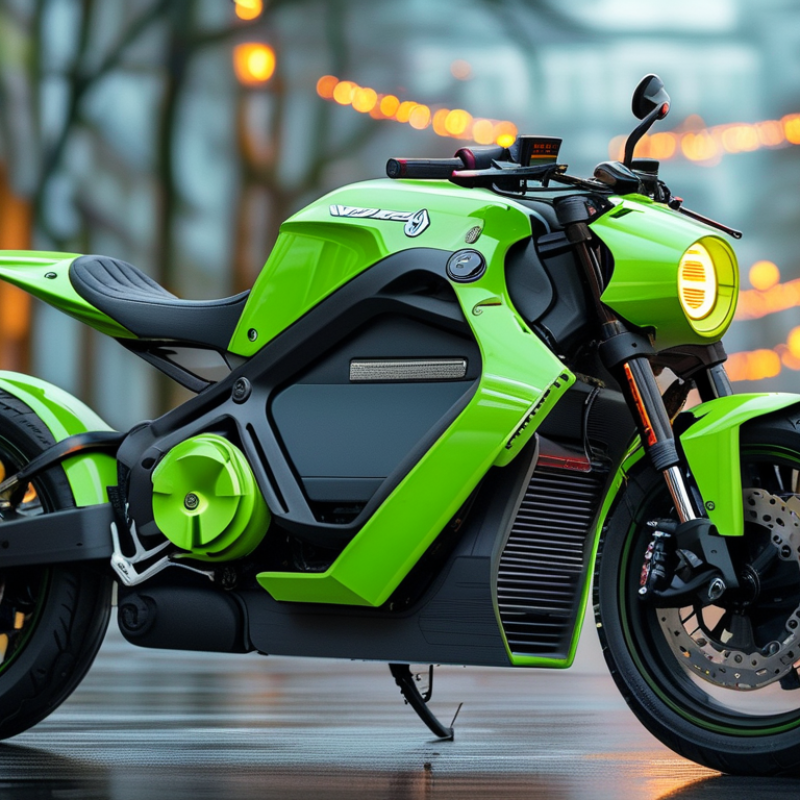
Benefits of E-Motorcycles for Sustainable Transportation
E-motorcycles are becoming a key player in sustainable transportation. They offer a cleaner alternative to traditional fuel-powered vehicles. Their electric engines drastically reduce greenhouse gas emissions, contributing to a healthier environment. With urban areas facing pollution challenges, e-motorcycles present a viable solution for eco-conscious commuters.
Battery technology has improved, allowing for longer rides and quicker charging. Many models feature regenerative braking, which recovers energy during rides. This efficiency makes e-motorcycles appealing to both new and seasoned riders. However, potential buyers should consider range limitations. Not all models may meet daily commuting needs without charging breaks.
In major cities, the compact size of e-motorcycles helps navigate traffic more effectively. They require less parking space, which addresses urban congestion issues. Riders can enjoy tax benefits or incentives in some regions. Yet, the initial cost can be higher than gasoline bikes. Balancing upfront expenses with long-term savings can be challenging for some individuals.
Environmental Impact of E-Motorcycles Compared to Conventional Vehicles
The environmental impact of e-motorcycles is increasingly significant compared to conventional vehicles. E-motorcycles produce zero tailpipe emissions. This means less air pollution in urban areas, where congestion is a major issue. Additionally, the production of electric vehicles is evolving. As battery technology improves, the environmental footprint is decreasing.
While the use of e-motorcycles leads to reduced greenhouse gas emissions, there are still concerns. The manufacturing process of batteries can be resource-intensive and may harm surroundings. Recycling remains a challenge. We must consider sustainable practices for battery disposal and reuse.
Tips: Always charge your e-motorcycle using renewable energy sources when possible. Choose models with recyclable materials to minimize waste. Regular maintenance can enhance efficiency and prolong lifespan, reducing overall impact.
The shift to e-motorcycles reflects a growing commitment to sustainability. However, ongoing evaluation of the entire lifecycle is essential. Exploring local regulations and incentives can also guide users towards making informed choices. Engaging in community discussions about sustainable transport fosters progress, ensuring benefits for everyone.
Cost-Effectiveness of E-Motorcycles for Daily Commuters
E-motorcycles are rapidly becoming a preferred choice for daily commuters seeking cost-effective transportation solutions. With rising fuel prices, using an e-motorcycle can significantly reduce commuting costs. The charging cost is often lower than refueling a gas-powered vehicle. This makes e-motorcycles an attractive option for budget-conscious riders.
One aspect to consider is maintenance. E-motorcycles typically require less maintenance compared to traditional motorcycles. Fewer moving parts mean fewer repairs and lower long-term costs. This not only leads to savings but also enhances reliability. However, some riders may feel uncertain about battery life and replacement costs. It's essential to do your research and choose a model with a solid warranty.
Tips: Consider your daily commute distance. Ensure the e-motorcycle has a range that meets your needs. Also, look into local incentives for electric vehicles. Some regions offer tax breaks or rebates, making e-motorcycles even more affordable.
Making the switch may involve an adjustment period. Riders might find it different to handle the unique characteristics of electric motors. Taking a test ride can help ease this transition. With some effort and research, e-motorcycles can transform your commute into a more sustainable and budget-friendly experience.
Technological Innovations Driving the E-Motorcycle Industry
The e-motorcycle industry has seen rapid technological advancements. Innovations such as improved battery technology and regenerative braking systems are transforming how we perceive transportation. According to a recent report by the International Energy Agency, e-motorcycles can reduce carbon emissions significantly, with estimates showing that they emit up to 90% less CO2 compared to traditional vehicles.
Battery improvement plays a crucial role in this transformation. Many models now offer ranges exceeding 100 miles on a single charge. This was not feasible a few years ago. Additionally, advancements in charging infrastructure are addressing consumer concerns. Fast-charging stations are becoming more common, with some allowing full battery charges in under an hour.
However, challenges remain. The initial cost of e-motorcycles can deter potential buyers. Even with lower operational costs, the upfront investment is significant. There’s also a need for more robust recycling processes for used batteries. While the industry is booming, reflection on sustainability initiatives is necessary to ensure a truly green future.
Why Choose E-Motorcycles for Sustainable Transportation Solutions?
| Feature | Standard E-Motorcycle | Gasoline Motorcycle |
| Emissions | 0 g CO2/km | 160 g CO2/km |
| Fuel Efficiency | 3.0-5.0 kWh/100 km | 3.5-4.5 L/100 km |
| Maintenance Costs (annually) | $200 | $500 |
| Range | 100-200 km | 200-300 km |
| Charging Time | 1-4 hours | N/A |
Challenges and Solutions in Adopting E-Motorcycles for Urban Mobility
Urban mobility has seen a surge in interest for e-motorcycles, driven by their potential for sustainable transportation. However, challenges remain. For instance, limited charging infrastructure can deter users from making the switch. Most urban areas lack sufficient charging stations, forcing riders to plan meticulously. This inconvenience can dissuade potential e-motorcycle owners.
Another issue is the upfront cost. E-motorcycles often have a higher initial price compared to traditional options. This barrier makes them less accessible for many potential riders. However, as technology advances, prices are expected to decrease. In addition, governments are starting to implement incentives to ease financial burdens. This could encourage more people to consider e-motorcycles as a viable option.
Moreover, range anxiety persists among users. Riders fear running out of battery mid-commute. While many models now offer better ranges, true dependability is still developing. Manufacturers need to focus on enhancing battery efficiency and reliability. Addressing these challenges will foster greater adoption. Only then will e-motorcycles truly become a staple in urban environments.
Adoption of E-Motorcycles in Urban Mobility
This chart illustrates the key challenges faced in the adoption of e-motorcycles for urban mobility. The dimensions represent various factors influencing their uptake, such as infrastructure availability, cost, public awareness, battery charging facilities, and government policies.