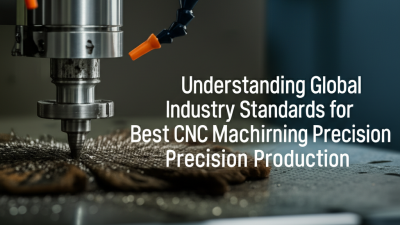
Why Choose CNC Processing for Your Manufacturing Needs?
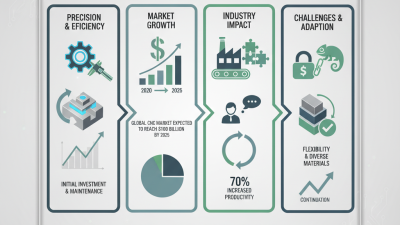
In today's fast-paced manufacturing landscape, CNC processing stands out as a transformative technology. According to a report by MarketsandMarkets, the global CNC machine market is projected to reach $117 billion by 2025, driven by industries seeking precision and efficiency. CNC processing offers unparalleled accuracy, accommodating complex designs that traditional methods struggle to replicate.
Industry leaders emphasize the consistency that CNC provides. A study by Gardner Business Media cites that companies using CNC processing report a 30% reduction in production time. However, it's essential to acknowledge the initial investment needed for CNC technology. Some manufacturers wrestle with the high upfront costs, which could be a barrier for small businesses. Yet, the long-term savings and quality improvements often outweigh these challenges.
The choice to adopt CNC processing is not one-size-fits-all. Each business must assess its unique needs and capabilities. The path to integration can involve a learning curve, yet the rewards are significant in terms of productivity and precision. In a competitive market, leveraging CNC processing is increasingly becoming a necessity for manufacturers aiming to thrive.
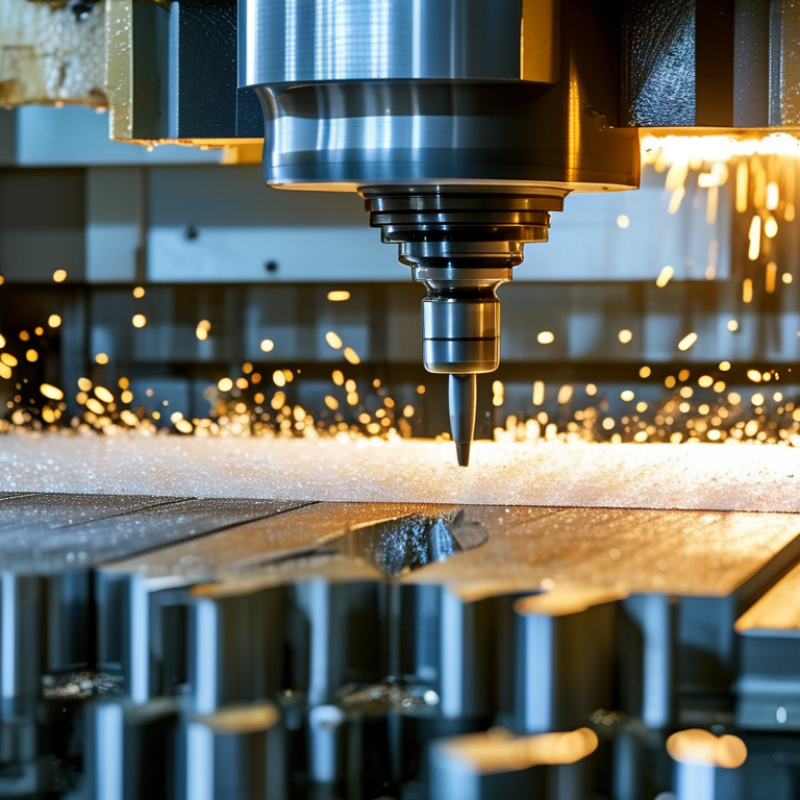
Advantages of CNC Processing in Modern Manufacturing Efficiency
CNC processing offers significant advantages in modern manufacturing. It increases efficiency and precision in production lines. According to a report by the National Institute of Standards and Technology, CNC machining can improve efficiency by up to 50%. This is crucial in meeting today’s fast-paced market demands.
CNC machines operate with high precision, reducing material waste. A reduction in waste translates to lower costs for manufacturers. Precision also enhances product quality, leading to higher customer satisfaction. A recent study highlighted that companies using CNC technology reported a 30% increase in product quality ratings.
Tips: Regular maintenance of CNC machines is essential. Schedule consistent checks to avoid downtime. Training staff in CNC programming can also enhance operational efficiency. Skilled operators can maximize the capabilities of the machines.
However, adopting CNC processing isn’t without challenges. Initial investment can be high due to equipment costs. Additionally, transitioning to CNC may require changes in workforce skills. Not all companies may be ready for this shift. Assess your current capabilities before proceeding. Transitioning smoothly can often take time and effort, but the long-term benefits may outweigh the initial hurdles.
Advantages of CNC Processing in Modern Manufacturing Efficiency
Key Precision Benefits of CNC Machining Over Traditional Methods
CNC machining has revolutionized the manufacturing landscape. One key benefit is precision. Unlike traditional methods, CNC machines produce parts with less human error. This accuracy is crucial for industries requiring exact specifications, like aerospace and medical devices.
The consistency of CNC machining also stands out. Once a design is programmed, each part produced remains identical. This repeatability enhances quality control. However, there might be a learning curve in adapting to new technology. Companies must train staff properly to maximize the benefits.
Tip: Ensure your team understands CNC software. Ongoing training sessions can help maintain efficiency.
Another aspect to consider is flexibility. CNC machines can quickly switch between tasks. Whether you need different sizes or shapes, they adapt easily. Yet, this flexibility comes at a cost. Initial investments can be substantial. It's essential to weigh these factors against your production needs.
Tip: Analyze your project demands. A thorough assessment will help you decide if CNC processing aligns with your goals.
Cost-Effectiveness of CNC Technology in Large-Scale Production
CNC technology has transformed the landscape of large-scale manufacturing. By automating machining processes, it reduces labor costs and minimizes errors. This shift allows manufacturers to allocate resources more efficiently, impacting the overall cost structure positively. For instance, a well-tuned CNC machine can produce thousands of identical parts with precision, significantly decreasing waste and rework.
With CNC processing, setup times are slashed. Operators can switch tasks quickly, adapting to new designs without extensive downtime. This agility enhances productivity and ensures timely delivery to clients. However, the initial investment in CNC technology can be daunting. It requires careful consideration of budget and machinery maintenance.
Despite its costs, the long-term savings often outweigh the initial expenditure. Companies report reduced operational costs over time. Yet, many businesses hesitate, fearing technological complexity. Continuous learning is vital to maximize CNC benefits. Embracing this technology isn't just a choice; it's a strategic move towards sustainable manufacturing practices.
Why Choose CNC Processing for Your Manufacturing Needs? - Cost-Effectiveness of CNC Technology in Large-Scale Production
| Aspect |
Description |
Cost Impact per Unit |
Production Speed |
Material Waste |
| Setup Time |
CNC machines require less time for setup compared to traditional methods. |
Decreases costs by 15% |
High |
Lower due to precision cutting |
| Labor Costs |
Automated processes reduce the need for skilled labor. |
Reduces by up to 20% |
Moderate |
Minimal |
| Material Efficiency |
CNC machines optimize material usage with precise designs. |
Saves up to 10% on materials |
Very High |
Negligible waste |
| Quality Consistency |
Ensures uniformity across all produced parts. |
Eliminates rework costs |
High |
Very Low |
| Scalability |
Easily adjustable for different production volumes. |
Flexible cost structure |
High |
Low waste throughout |
Impact of CNC Processing on Design Flexibility and Customization
CNC processing has transformed the manufacturing landscape, particularly when it comes to design flexibility and customization. With CNC technology, designers can easily execute intricate patterns and shapes that were once impossible with traditional methods. The versatility of CNC machining allows for rapid changes during the design phase. This adaptability encourages creativity and innovation, giving manufacturers a competitive edge.
Customization becomes seamless with CNC processing. Parts can be tailored to meet specific requirements without significant lead time. For instance, unique dimensions or complex geometries can be achieved efficiently. However, this level of customization may result in challenges. The learning curve for operators can be steep. Inadequate training may lead to mistakes, impacting overall output quality.
Additionally, while CNC machines excel in precision, human oversight is still necessary. Over-reliance on technology can lead to a disconnect in understanding the manufacturing process. Design teams must remain involved to ensure that their vision translates accurately into the final product. Balancing automation with human intuition is key to maximizing the benefits of CNC processing.
Statistical Growth Trends of CNC Machining in Manufacturing Sectors
CNC machining is witnessing remarkable growth across various manufacturing sectors. Several studies indicate that the market for CNC machining is projected to expand significantly over the next decade. The automotive, aerospace, and medical industries are quickly adopting this technology. They seek precision and efficiency in their production processes. This trend is not just a fleeting moment; it reflects a deeper evolution in manufacturing.
An increase in demand for customized parts has fueled this growth. Manufacturers are looking for ways to adapt to shorter production cycles. The flexibility of CNC machines allows for rapid changes in design, facilitating quick turnaround times. However, it is essential to acknowledge that implementing CNC technology requires skilled operators. The workforce must adapt to new challenges, and ongoing training is crucial.
Despite the advantages, there are hurdles to overcome. The initial investment in CNC machinery can be substantial. Smaller enterprises may struggle with this cost. Additionally, maintenance and software updates require ongoing attention. These challenges necessitate careful planning and investment in workforce development. Embracing CNC machining entails not only leveraging technology but also addressing workforce readiness and sustainability.