How to Choose the Best Pile Breaker for Your Project?
When selecting the best Pile Breaker for your project, expert insights can be invaluable. John Smith, a leading figure in the construction industry, states, "Choosing the right Pile Breaker can greatly influence project efficiency." His experience underscores the importance of this decision.
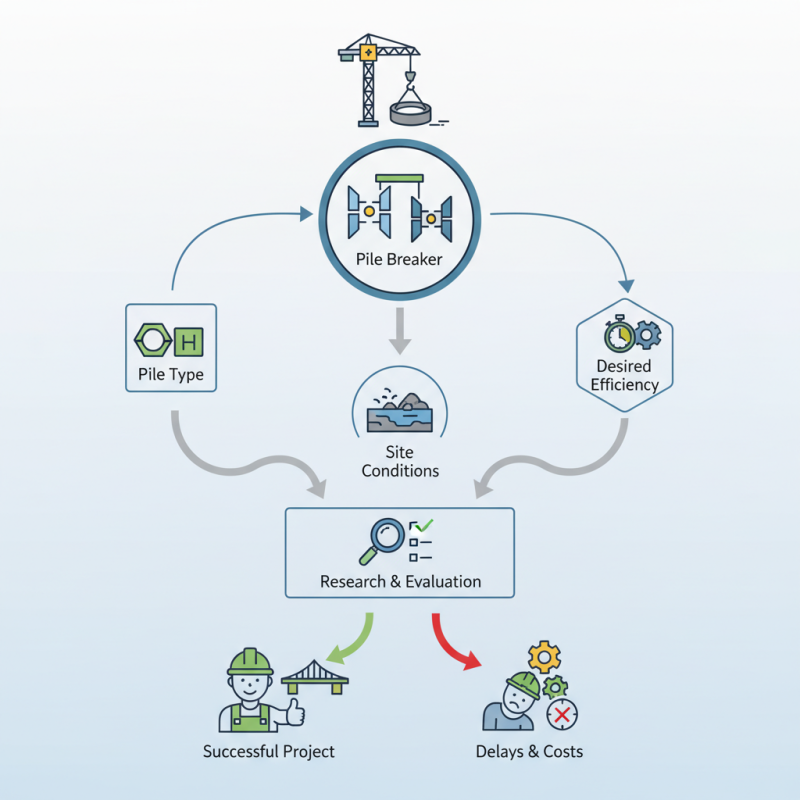
The Pile Breaker is essential in construction, especially for projects involving deep foundations. With numerous options available, understanding the specific needs of your project is crucial. Factors such as pile type, site conditions, and desired efficiency all play a role in making the right choice.
However, this process is not always straightforward. Many contractors feel overwhelmed by the variety of models and manufacturers. Each Pile Breaker boasts different features that can affect performance. It’s essential to weigh these details carefully, as a poor choice may lead to delays and increased costs. Take the time to research and evaluate your options to avoid such pitfalls.
Understanding the Basics of Pile Breakers and Their Functionality
When selecting a pile breaker, it’s crucial to understand its functionality. Pile breakers are designed to remove excess concrete from pile foundations. They ensure a level surface for further construction. Knowing how they operate can aid your decision-making process.
Tips for choosing a pile breaker include assessing your project’s specific needs. Consider the thickness of the pile and the required finish. Different models work better for varying sizes. Not all pile breakers can handle heavy-duty jobs. Select one that matches your project scale.
Evaluate the ease of use. A user-friendly design means quicker operation and less downtime. Check reviews for feedback on performance and reliability. A well-regarded model may save you headaches down the line. Pile breakers offer efficiency, but remember that the right choice can significantly impact your project's success.
Identifying Your Project Requirements for Choosing a Pile Breaker
Choosing the right pile breaker for your project can be a daunting task. Start by identifying your specific requirements. Consider the type of piles you need to break. Different projects require different approaches. The size and material of the piles play a crucial role in your decision.
Evaluate the job site conditions as well. Accessibility can affect the type of equipment you can use. If the site is cramped, a compact pile breaker may be essential. Additionally, note the power supply available. Some machines require more power than others, influencing your selection.
Cost considerations are also important. A more expensive pile breaker might have advanced features. However, assess whether those features are necessary for your project. Sometimes, a simpler, less costly option can do the job well. Reflecting on these factors can lead you to a better choice.
Evaluating Different Types of Pile Breakers Available on the Market
When selecting a pile breaker, understanding the types available is crucial for project success. Generally, there are three main categories: hydraulic, electric, and manual pile breakers. Hydraulic models are often favored for their efficiency and speed. According to industry data, they can reduce pile lengths by up to 90% in just minutes. Electric pile breakers offer a quieter operation, ideal for urban projects. Manual models, while labor-intensive, can be cost-effective for smaller tasks.
Evaluating each type's specifications is essential. Hydraulic units typically have a higher initial cost but can save time. Electric alternatives provide precision but may require a stable power supply. Manual breakers can be more adaptable but lack the speed of their hydraulic counterparts. It's risky to prioritize cost over performance. Underestimating project requirements can lead to delays and increased expenses.
Tip: Assess your project scope before making a decision. Consider the pile's diameter and material. Each pile breaker suits different conditions. Always check for certifications, as this indicates reliability and compliance with safety standards. A reliable source for evaluating options is industry reports from construction associations. Conduct thorough research to maximize efficiency and outcomes.
Key Features to Consider When Selecting a Pile Breaker
Selecting the ideal pile breaker for your construction project requires careful consideration of key features. One crucial aspect is the power of the machine. Reports have shown that pile breakers with higher horsepower can efficiently demolish concrete piles, reducing project timelines. For example, a pile breaker with 100 hp can break through thick concrete piles in less than half the time of a lower-power model. The speed and effectiveness directly impact your project's budget and schedule.
Another important feature is the size and weight of the pile breaker. A machine that is too heavy may not be suitable for smaller projects, while a lightweight model may lack the power needed for larger piles. According to industry standards, machines should ideally match the pile size, ensuring maximum efficiency and safety. Proper alignment is essential, as poor matching can lead to uneven breakage, requiring additional work to fix.
Lastly, ease of transport and setup should not be overlooked. Pile breakers that are cumbersome to move can result in costly delays. Research indicates that around 30% of project delays can be attributed to equipment issues. Therefore, choosing a model that balances performance and mobility is critical. Improper selection can lead to operational hiccups, affecting workflow and productivity.
How to Choose the Best Pile Breaker for Your Project? - Key Features to Consider When Selecting a Pile Breaker
| Feature | Description | Importance |
| Type of Pile Breaker | Hydraulic, electric, or mechanical types suitable for different pile compositions and sizes. | High |
| Cutting Depth | Maximum depth the breaker can efficiently cut through piles. | Critical |
| Weight | Weight of the pile breaker affecting mobility and ease of handling. | Medium |
| Power Source | Nature of the power source - electric, hydraulic, or fuel-driven. | High |
| Ease of Operation | User-friendliness and ease of maneuvering for operators. | Medium |
| Maintenance Requirements | Frequency and type of maintenance necessary to keep the breaker operational. | Medium |
| Safety Features | Built-in features to ensure operator safety during usage. | High |
Assessing Cost-Effectiveness and Budget Considerations for Your Project
When selecting a pile breaker, cost-effectiveness and budget considerations are crucial. The upfront investment can range significantly, often between $15,000 to $100,000. However, analyzing long-term costs reveals hidden expenses. Maintenance, operational costs, and labor should factor into your decision. Those who ignore these elements may face unexpected budget overruns.
Industry reports suggest that using a pile breaker can reduce project timelines by up to 30%. Faster project completion often results in significant savings. Yet, not every project will benefit from the same equipment. Specific site conditions and project requirements can lead to different outcomes, making it essential to evaluate context before committing to a purchase.
It might seem tempting to choose the cheapest option, but this can be misleading. Less expensive tools may not hold up under rigorous use or may require more frequent maintenance. Investing in higher-quality equipment can prove beneficial in the long run. Therefore, reviewing your project specifications closely and consulting with industry experts can guide you to the right financial decision.