How to Choose the Best Class B Autoclave for Your Needs?
Choosing the right Class B Autoclave can be a daunting task. With numerous options available, how do you pinpoint the one that fits your laboratory needs? Understanding the unique features of a Class B Autoclave is essential. These machines excel in sterilizing tools used in healthcare and research settings. Their advanced technology ensures optimal sterilization cycles.
When assessing your needs, consider the specific requirements your lab demands. Reliability and efficiency are critical factors. Not every autoclave offers the same level of performance. For example, consider the chamber size and material. These elements can significantly impact your sterilization process.
Additionally, think about the support and maintenance options. Users often overlook these aspects. A reliable supplier can make a difference in your experience. Make a list of priorities before purchasing. Reflection on your previous experiences can guide you to make better choices. A well-informed decision can save you time and resources in the long run.
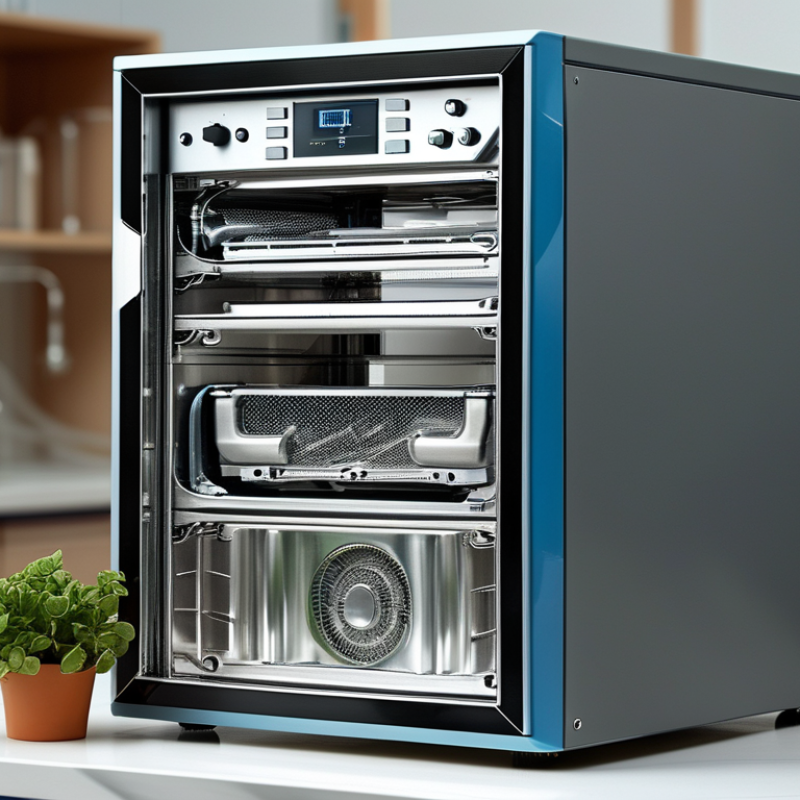
Understanding Class B Autoclaves: Key Features and Benefits
Class B autoclaves are essential tools in various sectors. They provide effective sterilization by using pressurized steam. Understanding their features and benefits is crucial for making the right choice.
One key feature of Class B autoclaves is their ability to remove air completely. This process ensures that steam penetrates all items thoroughly. Additionally, these autoclaves often include a vacuum system, enhancing their efficiency in sterilizing porous loads. Look for machines with automatic programs for different loads. This versatility makes them user-friendly, benefiting both experts and novices alike.
**Tip:** Regular maintenance is essential. Check seals and hoses frequently to ensure optimal performance.
Another advantage lies in their programmable settings. Users can select specific cycles depending on the load type, thus improving sterilization results. However, it's vital to balance speed with effectiveness. Rushing a cycle may compromise sterilization.
**Tip:** Regular training for staff on proper usage is necessary. Knowledge of proper loading techniques can prevent errors.
When choosing an autoclave, consider not just the initial cost, but also long-term operational efficiency. Investing in a reliable Class B autoclave yields significant benefits in the long run.
Assessing Your Sterilization Needs for Class B Autoclaves
When assessing your sterilization needs for Class B autoclaves, start by evaluating the types of materials you need to sterilize. Different items, such as surgical instruments, glassware, and textiles, may require distinct sterilization methods. Class B autoclaves are designed to handle these diverse materials effectively. They utilize steam under pressure to ensure comprehensive sterilization. However, is your facility ready for this level of sophistication?
Consider the volume of items needing sterilization. If you have a high throughput, a larger capacity unit might be essential. Think about your workflow too. A unit with a quick cycle time can enhance productivity. Yet, not all operations require fast cycles. Some may prioritize thoroughness over speed. Reflect on your actual needs versus the urge to invest in the latest technology.
Also, don't overlook the importance of maintenance and serviceability. A reliable autoclave requires regular checks to function correctly. Make sure to account for training staff on proper use. An ill-equipped team can lead to sterilization failures. Balancing needs and resources is a critical step in choosing the right Class B autoclave. So, what compromises are you willing to make?
Evaluating Different Brands and Models of Class B Autoclaves
When it comes to choosing a Class B autoclave, evaluating different brands and models is crucial. Class B autoclaves are designed to provide effective sterilization for complex instruments. Their performance can vary widely, depending on design, technology, and build quality. Consider the specific requirements of your practice, as not all autoclaves are created equal.
Look closely at features like chamber size and cycle duration. A larger chamber can accommodate more instruments, but may require more energy. Cycle times are important for efficiency. Some models offer faster cycles but may compromise on sterilization effectiveness. It's essential to balance speed with assurance of complete sterilization.
User reviews can provide valuable real-world insights into the reliability of different models. While specifications are important, firsthand experiences reveal quirks and limitations. Some users report issues with maintenance. Others highlight the importance of customer support when problems arise. Be prepared to dig deeper into user feedback for a well-rounded perspective on potential models.
Budget Considerations When Selecting a Class B Autoclave
When choosing a Class B autoclave, budget considerations play a crucial role. Understand that prices can vary significantly based on features and specifications. It is essential to establish a budget that meets your operational needs while ensuring quality. Higher costs often reflect advanced technology and reliability, but it’s important to balance features against your specific requirements.
Tips: Research total ownership costs. Maintenance and operational expenses can add up. Also, consider the longevity of your autoclave. Investing in a model with a better warranty may save money long-term.
Don't overlook the importance of user training and support. Budget for proper training sessions, as understanding the equipment is vital for safety and efficiency. A less expensive autoclave can become costly without adequate knowledge on its operation. Be mindful that cheaper models may also lack comprehensive support, which can lead to issues later on.
In the end, create a list of must-have features. Prioritize what is essential for your workflow. This reflection can help in editing down choices that don’t provide value. A clear vision of your needs will streamline the decision-making process, keeping your budget in check.
Maintenance and Support: Choosing a Reliable Class B Autoclave
Choosing a reliable Class B autoclave involves more than just initial purchase considerations. Maintenance and support are critical aspects that can affect longevity and performance. Regular maintenance ensures that the autoclave operates at optimal efficiency. Developing a schedule for routine cleaning, testing, and calibration is essential. Make sure to document these routines for future reference.
Support is another key factor. When selecting an autoclave, check if the supplier offers reliable customer service. Quick access to technical support can save time during emergencies. Ideally, the manufacturer should provide detailed service manuals and training materials. This accessibility helps users understand operation protocols and troubleshooting steps.
Consider the availability of replacement parts. Some autoclaves may have limited options, complicating maintenance. A reliable model should have easily sourced components. Be wary of complex systems that require specialized knowledge for repairs. This could indicate a larger long-term commitment in training staff. Reflect on how much you are willing to invest in ongoing support.