How to Choose the Right Roll Down Fire Doors for Your Business?
Choosing the right Roll Down Fire Doors for your business is crucial for safety. According to the National Fire Protection Association, fires account for billions in property damage each year. Effective fire doors can minimize these losses, making timely decisions vital.
Expert Jim Thompson, a leader in fire safety solutions, states, “Selecting appropriate Roll Down Fire Doors can save lives and property.” His insights underscore the need for careful evaluation.
Each building presents unique challenges. Understanding fire codes and building layout is essential. Not every Roll Down Fire Door fits all situations. Some businesses rush their choices, causing potential risks. Thoughtful consideration is key to enhancing safety and compliance. Neglecting this can have dire consequences.
Understanding the Purpose and Benefits of Roll Down Fire Doors
Roll down fire doors are crucial for protecting your business. They serve as barriers against smoke and flames, reducing damage and ensuring safety. According to the National Fire Protection Association (NFPA), buildings with proper fire door systems can limit fire spread by as much as 80%. This statistic highlights the significance of these features.
The benefits extend beyond mere fire protection. Roll down fire doors also enhance security. They prevent unauthorized access while keeping the premises safe. A report by the Fire Safety Association noted that businesses with fire doors experience 40% fewer insurance claims related to fire damage. Investing in these doors can save money in the long run.
However, not all roll down fire doors are created equal. Some doors may not meet local fire codes or industry standards. It’s essential to choose products from reliable manufacturers. The installation process is critical too; improper setup can compromise effectiveness. Regular maintenance is needed to ensure functionality and compliance. Ignoring these aspects could lead to serious consequences during an emergency.
How to Choose the Right Roll Down Fire Doors for Your Business? - Understanding the Purpose and Benefits of Roll Down Fire Doors
| Feature | Description | Benefits | Considerations |
| Material | Typically made of steel or aluminum. | Durability and fire resistance. | Choose based on your environment and fire code requirements. |
| Fire Rating | Must meet local fire safety standards. | Ensures safety during a fire outbreak. | Consult with your local fire marshal for requirements. |
| Operation Mechanism | Manual or automatic operation options. | Convenience and efficiency during emergencies. | Ensure regular maintenance for automated systems. |
| Installation | Professional installation is recommended. | Optimal performance and compliance with safety standards. | Budget for installation costs in your planning. |
| Maintenance | Regular inspections required. | Ensures longevity and functionality. | Create a schedule for routine checks and servicing. |
Factors to Consider When Selecting Roll Down Fire Doors
When selecting roll down fire doors, several key factors come into play. Fire rating is crucial. Most commercial buildings require fire doors with a minimum rating of 20 minutes to several hours. According to the National Fire Protection Association, proper fire door ratings can significantly impact safety outcomes during fires.
Assess the door material as well. Steel doors are common due to their durability and strength. They endure high heat without compromising integrity. However, some might overlook this factor. Choices like aluminum can seem appealing but might not offer the same level of protection. A 2022 report from the Fire Door Manufacturer’s Association found that 60% of fire-related incidents involved improperly installed or non-compliant doors.
Consider installation and maintenance too. Roll down doors require precise installation to function effectively. Misalignment or poor installation can lead to failures. Do not underestimate the complexity of regular maintenance. Often, business owners neglect this aspect. Regular inspections are essential; failure to comply can lead to legal repercussions. Overall, a thoughtful approach can enhance safety and compliance within your business environment.
Material Options for Roll Down Fire Doors: Which is Best for Your Needs?
Choosing the right material for roll down fire doors is crucial. Your selection directly impacts safety and functionality. Steel is a common choice due to its durability. It can withstand extreme temperatures and offers excellent fire resistance. According to a recent NFPA report, steel doors can endure fire for over 3 hours, making them ideal for many businesses.
Aluminum is another option, known for its lightweight properties. It's resistant to corrosion but may not offer the same fire ratings as steel. A study by the Fire Protection Research Foundation shows that aluminum doors typically last about 1-2 hours in fire conditions.
Additionally, wood doors, which are less common, can be aesthetically pleasing but require proper treatment for fire resistance.
However, with different materials comes differing maintenance needs. Steel doors may need occasional repainting to prevent rust, while aluminum might require less upkeep. Each option has pros and cons. It’s crucial to assess your specific environment and risk factors before making a decision. Think about how these materials align with your safety standards and overall business needs.
Compliance and Safety Standards for Fire Doors in Commercial Spaces
When considering roll down fire doors, compliance with safety standards is crucial. These doors must meet specific regulations to ensure they effectively contain fire and smoke in commercial spaces. Understanding local fire codes can be overwhelming. Many businesses overlook these details, potentially risking safety.
Installation is another critical aspect. Qualified professionals should install the doors. Improper installation can lead to failure during emergencies. Regular maintenance is essential to ensure they function correctly. It's not enough to install them and forget. Periodic checks can identify wear or damage early.
Choose materials wisely. Doors should be made from fire-rated materials. This ensures maximum protection. Be aware of the door's rating and how it fits into the overall safety plan of your facility. Some may invest in cheaper options, only to find they do not meet standards. Reflecting on these choices can lead to better safety outcomes.
Maintenance and Inspection Tips for Roll Down Fire Doors
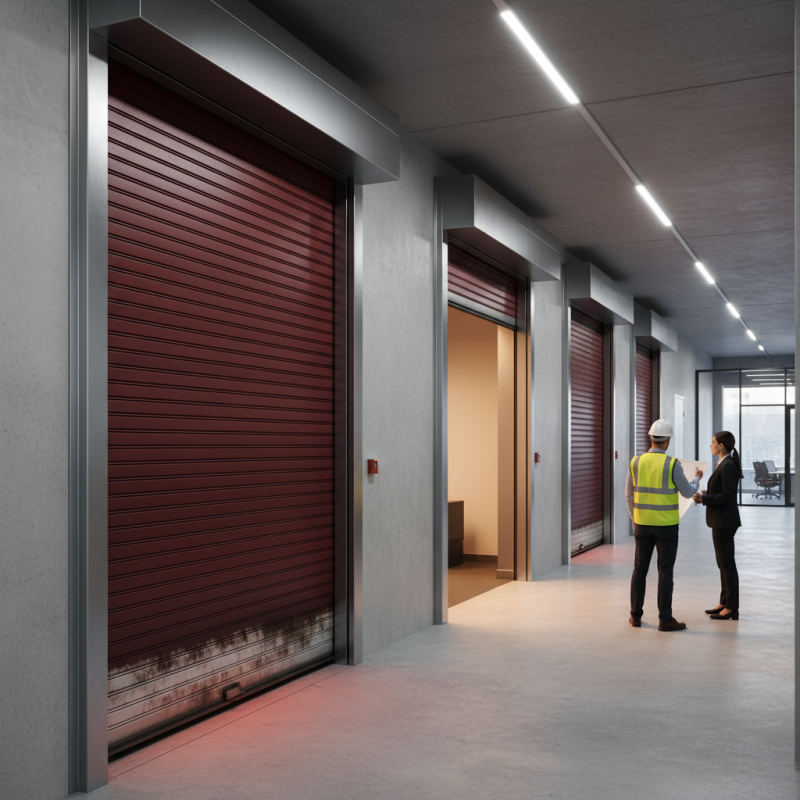
Regular maintenance of roll down fire doors is crucial for ensuring safety in commercial spaces. According to the National Fire Protection Association, fire doors should be inspected at least once a year. This statistic highlights the importance of routine checks. Many businesses neglect this aspect, potentially putting lives and property at risk. A malfunctioning fire door can fail to close properly and compromise fire containment during an emergency.
Inspection involves checking for damage, ensuring that door tracks are clear, and verifying proper function. Fire doors must be able to close fully to prevent smoke and flames from spreading. Damage from wear and tear can go unnoticed. Slight misalignments can occur over time, leading to gaps. A report from the Fire Door Safety Institute states that over 25% of fire doors are found to be non-compliant during inspections. This data illustrates a concerning trend and emphasizes that ongoing attention is essential.
Maintenance is not a one-and-done task. It's an ongoing process that requires diligence. Employees should be trained to recognize signs of wear. Visible rust or difficulty in operation can indicate a need for immediate attention. Regular check-ups can prevent costly repairs and avert dangerous situations. When inadequately maintained, fire doors serve as a false sense of security. They are vital for creating safe passageways during emergencies, and every business should take this responsibility seriously.
Roll Down Fire Doors Maintenance and Inspection Frequency