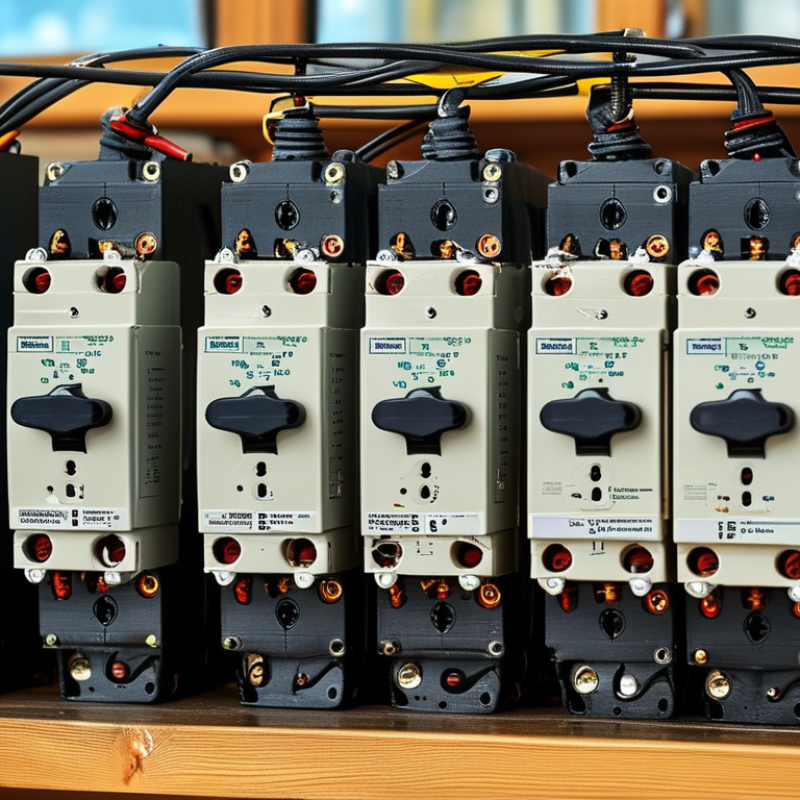
How to Choose the Right Electric Circuit Breaker for Your Needs?
Choosing the right Electric Circuit Breaker is crucial for safety and efficiency in any electrical system. These devices protect your home and equipment from overloads and short circuits. Understanding their features can be challenging, but it is vital.
When you consider an Electric Circuit Breaker, think about your specific needs. The type of appliances you use can influence your choice. For instance, larger appliances require breakers with higher amperage ratings. Check the specifications carefully. An incorrect choice could lead to power interruptions or even dangerous situations.
Another aspect to ponder is the design of your home’s wiring. Older homes may require different breakers than modern ones. You might find yourself confused by the options available. It's important to consult with professionals if you feel unsure. The goal is to achieve a safe and reliable electrical system, enhancing both comfort and security.
Understanding the Basics of Electric Circuit Breakers
Electric circuit breakers are crucial for protecting electrical systems. They act as safety devices that prevent overloads and short circuits. Understanding how they work is essential for selecting the right one. A breaker monitors electrical flow and automatically cuts off power when it detects an anomaly.
There are different types of circuit breakers, each designed for specific applications. For residential use, standard breakers suffice, but commercial settings may need more robust options. Be clear about your power needs before making a choice. Many overlook the importance of capacity ratings. The breaker must match or slightly exceed the system’s load requirements.
While choosing a breaker, consider both the technical details and the installation context. Each environment presents unique challenges. Sometimes, it’s tempting to go for cheaper options, but that might lead to safety risks. Reflecting on such choices is vital for ensuring long-term reliability and safety. Pay attention to installation guidelines and local code requirements to avoid potential hazards.
How to Choose the Right Electric Circuit Breaker for Your Needs?
| Breaker Type | Application | Rated Current (A) | Voltage Rating (V) | Trip Type |
| Miniature Circuit Breaker (MCB) | Residential | 6 - 63 | 230/400 | Thermal |
| Residual Current Device (RCD) | Safety | 30 - 300 | 230 | Earth Fault |
| Air Circuit Breaker (ACB) | Industrial | 100 - 2500 | 400 - 690 | Magnetic & Thermal |
| Molded Case Circuit Breaker (MCCB) | Commercial | 16 - 1600 | 230/400 | Thermal & Magnetic |
| Smart Circuit Breaker | Home Automation | 15 - 100 | 120/240 | Digital |
Identifying Your Electrical System’s Requirements
Choosing the right electric circuit breaker starts with understanding your electrical system’s specific requirements. Every home and building has unique electrical needs, influenced by the number of appliances and the overall load demand. Identifying these demands requires a thorough assessment of your current and future electrical usage. For example, consider the types of devices you plan to use: high-power appliances need more robust breakers.
Next, evaluate your electrical panel. Check your panel's capacity and existing breakers. If you are adding new circuits or upgrading, ensure the breakers match your system’s specifications. A common mistake is underestimating the load requirements, leading to frequent tripping. Additionally, assess the layout of your home; some rooms may require individual breakers due to specific high energy-use devices.
Safety is paramount when dealing with electrical systems. Always consult a professional electrician if you're uncertain. They can guide you through compliance with local codes and safety standards. Remember, the cost of a circuit breaker is minor compared to the risk of electrical fires or damage from overloading. Regular audits of your system can help identify potential issues before they escalate.
Evaluating Different Types of Circuit Breakers
When selecting the right electric circuit breaker, understanding the types available is crucial. Circuit breakers primarily divide into thermal, magnetic, and residual current devices (RCDs). Thermal breakers are common in residential installations. They respond to overheating by tripping when current exceeds safe levels. This type is reliable but can be slower to react.
Magnetic breakers, on the other hand, are quicker. They trip almost instantaneously when current surges occur, commonly used in industrial settings. They handle higher loads and can be vital in preventing electrical fires. RCDs protect against ground faults, ensuring user safety. They cut off the circuit when they detect current leakage, preventing electric shocks.
Each type serves specific roles, and understanding them can be complex. Sometimes, users may not realize their needs until a problem arises. Consider your applications and the environment. Factors like load capacities and potential hazards should lead your choice. Reflect on your priorities, whether it’s speed of response or safety features, and be prepared for unexpected challenges. Balancing these aspects will enhance your choice of circuit breaker and ensure reliable protection.
Determining the Appropriate Amperage Rating
Choosing the right amperage rating for an electric circuit breaker is crucial. It ensures safety and functionality in your home or business. The amperage rating indicates the maximum amount of current that the breaker can handle. This prevents overheating and potential fire hazards.
To determine the appropriate rating, start by assessing your electrical needs. Consider the total wattage of all devices on the circuit. For example, if you have devices drawing 1,440 watts, you should choose a breaker with at least a 15-amp rating. This helps avoid nuisance tripping.
Think carefully about the type of appliances you use. Heavy appliances, like refrigerators or washers, often require higher amperage. It's easy to underestimate these needs. A common mistake is to select a breaker based only on general guidelines. Researching the specifications of your specific equipment is essential. This approach not only protects your devices but also enhances overall safety. Adapting to your actual usage habits can make a big difference.
Considering Additional Features for Enhanced Safety and Performance
Choosing the right electric circuit breaker goes beyond basic specifications. Enhanced safety features can make a significant difference. For instance, Ground Fault Circuit Interrupters (GFCIs) prevent electrocution by cutting off power when a ground fault is detected. According to the National Electrical Code, GFCIs can reduce electric shock risks by over 70%. They are essential in areas like bathrooms and kitchens where moisture is prevalent.
Surge protection is another crucial feature. A surge protective device (SPD) shields your circuit from voltage spikes. Reports indicate that transient voltage increases can damage sensitive electronics. An SPD can absorb these spikes, protecting your investment. The need for reliable protection is supported by data showing that electrical surges account for billions in damages annually.
Consideration should also be given to smart circuit breakers that provide real-time monitoring. A study by the Electric Power Research Institute highlights a growing trend in smart home technology that can improve energy efficiency. These breakers allow homeowners to track electrical usage and identify inefficiencies. This could lead to significant energy savings over time. However, deploying these advanced features requires careful evaluation of installation costs versus long-term benefits.