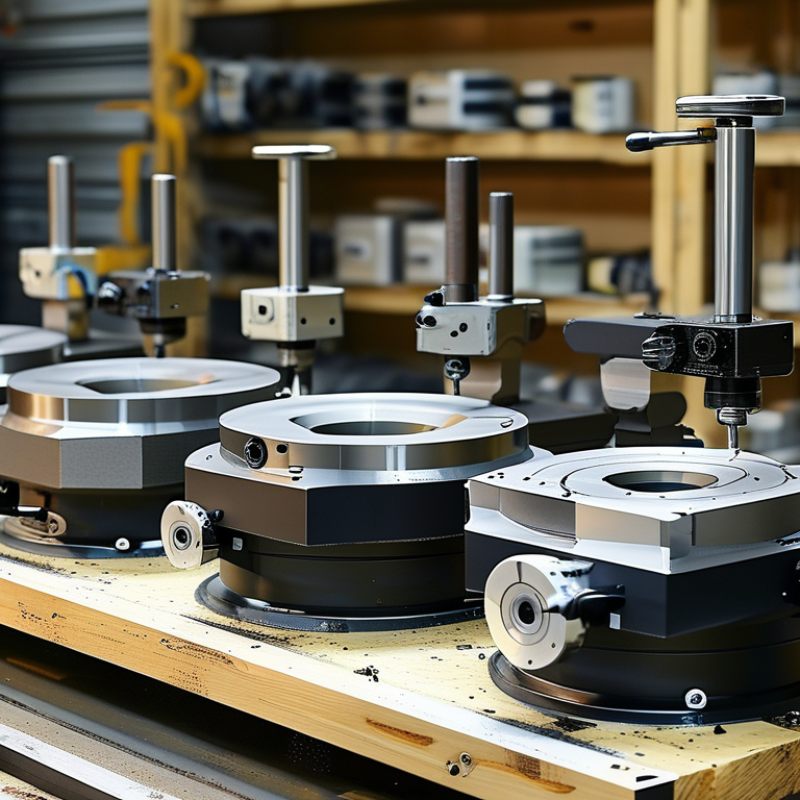
How to Choose the Best Hollow Rotary Table for Your Needs?
Choosing the right Hollow Rotary Table can significantly influence your machining outcomes. With various options available, making a decision may feel daunting. Each type serves unique applications, so understanding your needs is crucial.
A Hollow Rotary Table allows for precision and versatility in manufacturing processes. Many users overlook factors such as load capacity and rotation speed. Not considering these aspects may lead to poor performance and costly mistakes.
Additionally, exploring brand reputation and user reviews can guide you toward reliable choices. It's vital to weigh features against price carefully. Finding balance is not easy, but it’s essential for achieving optimal results.
Understanding the Basics of Hollow Rotary Tables and Their Applications
Hollow rotary tables are essential in various machining applications, enabling precision and efficiency. They allow for multi-axis movement, enhancing versatility in manufacturing. Understanding their basics helps in making informed decisions when selecting the right one for your needs. These tables are typically used in CNC machining centers, providing support for complex workpieces. They effectively rotate heavy items, allowing operators to achieve the desired angles and positions.
One important aspect to consider is the table's load capacity. Ensure that it matches the weight and dimensions of the workpieces you'll be using. Overloading can lead to damage and safety hazards. Another critical factor is the indexing accuracy. A table with high precision will guarantee better results and reduce the need for rework.
Tips: Pay attention to the material and build quality of the rotary table. A robust design ensures durability and reliable performance. Always assess your specific requirements before selecting a hollow rotary table. Consider factors like space, power availability, and additional features. Not everything will go smoothly; you may face challenges during setup or operation that need troubleshooting.
Key Features to Consider When Selecting a Hollow Rotary Table
When selecting a hollow rotary table, key features play an essential role. Consider the table's load capacity carefully. Assess the weight of the materials you plan to use. A robust table can handle heavier loads, reducing risks during operations. Look at the size as well. It should fit your workspace comfortably, allowing for proper access and safety during machining.
Another feature to evaluate is precision. High precision ensures accurate operations. Look into the table's repeatability and positioning accuracy. These specifications can significantly impact your project outcomes. The motor efficiency is also vital. A more efficient motor can save energy and enhance productivity.
Don't overlook the ease of use. Some tables come with complex setups. A user-friendly design simplifies operations and reduces training time. Lastly, consider the maintenance needs. Tables requiring frequent maintenance can disrupt workflows. Reflecting on these aspects can lead to a better decision when choosing a hollow rotary table tailored to your specific needs.
Evaluating the Size and Load Capacity of Hollow Rotary Tables
When selecting a hollow rotary table, size and load capacity are crucial factors. The size of the table directly impacts the types of projects you can undertake. If you often work with smaller components, a compact design may suffice. However, if your projects involve larger items, a bigger table is essential. An appropriate size ensures stability and precision during operations, which are vital for achieving accurate results.
Load capacity is equally important. It determines the maximum weight your table can handle without compromising performance or safety. Overloading the rotary table can lead to mechanical failures and inaccuracies. To evaluate load capacity, consider both the weight of your materials and any additional tooling. This assessment can help you avoid potential pitfalls in machinery performance. However, it’s also wise to leave some buffer for unexpected loads.
It may seem easy at first to choose a table based on these factors. Yet, the balance between size and load capacity can be tricky. An excessively large table with low load capacity could be as problematic as the opposite scenario. Before making a choice, reflect on your specific needs and applications to ensure you meet both current and future demands effectively.
How to Choose the Best Hollow Rotary Table for Your Needs? - Evaluating the Size and Load Capacity of Hollow Rotary Tables
| Model | Size (Diameter) | Load Capacity (kg) | Rotation Speed (RPM) | Price (USD) |
| Model A | 300 mm | 200 kg | 25 RPM | $500 |
| Model B | 500 mm | 400 kg | 20 RPM | $900 |
| Model C | 700 mm | 600 kg | 15 RPM | $1200 |
| Model D | 1000 mm | 800 kg | 10 RPM | $1500 |
Comparing Different Materials Used in Hollow Rotary Table Construction
When selecting a hollow rotary table, material choice is crucial. Different materials impact durability, weight, and thermal conductivity. Steel, for example, offers high strength and stability. However, its weight can lead to logistical challenges during installation. Aluminum, on the other hand, is lightweight and easy to maneuver. Yet, it may lack the rigidity needed for heavy-duty applications.
Composite materials present an intriguing option. They combine the benefits of lightness and strength. Some users may find composites ideal for specific tasks. Nevertheless, the long-term performance of composites still invites scrutiny. Different applications may also demand different material traits, making a one-size-fits-all solution unlikely.
Many professionals overlook the importance of corrosion resistance. This trait is often sacrificed for lighter materials. Users might notice wear and tear sooner than expected with poor choices. Evaluating all these factors is essential to ensure that you find the best hollow rotary table for your needs. Balancing weight, strength, and durability can be a challenge. Each project may present unique demands that require thoughtful consideration.
Cost vs. Performance: Finding the Right Hollow Rotary Table for Your Budget
In choosing a hollow rotary table, performance and cost are often at odds. Buyers can get caught up in the allure of high-end features, forgetting essential budget constraints. It’s vital to assess what you really need and if those premium features justify the price. A table with high torque may offer precision but might be outside your budget.
Consider the materials and construction. A robust design ensures durability and reliability over time. While it might be tempting to save money, a less sturdy table could lead to more significant costs down the line due to repairs or replacements. Research shows that investing in quality often pays off.
Don’t hesitate to weigh your options carefully. Is a more expensive model truly necessary for your applications? Sometimes, a mid-range option may perform adequately without breaking the bank. Focusing solely on the price tag can lead to regrets later. Ultimately, aim for a balance that suits both your operational needs and financial capabilities.