China Top 10 Screw Pan Head Manufacturers for Global Buyers
China’s fastener industry supports automotive, construction, machinery, electronics, and renewable-energy supply chains worldwide. Within these applications, Screw Pan Head products remain practical for their broad bearing surface, clean appearance, and reliable seating in sheet metal or prepared holes.
Market evidence shows continuing demand. Grand View Research estimated the global industrial fasteners market at approximately USD 84.9 billion in 2022. Its report also projected steady growth through 2030. Mordor Intelligence forecasts the broader fastener market to expand from about USD 89.6 billion in 2024 to USD 116.4 billion by 2029. Definitions vary between reports, so these figures should guide comparison rather than serve as absolute truth.
China remains a major manufacturing base, supported by extensive steel processing, cold-heading capacity, surface-treatment facilities, and export logistics. However, price alone cannot identify a dependable supplier. Buyers should examine dimensional tolerance, material certificates, coating performance, thread consistency, production audits, and batch traceability. Small details matter. A damaged drive recess can slow an assembly line. Uneven plating can shorten service life in humid environments.
This guide introduces China’s top 10 Screw Pan Head manufacturers for global buyers. The selection considers manufacturing experience, quality systems, export capability, customization support, and application knowledge. Public information is not always complete. Therefore, rankings may require independent verification, technical sampling, and commercial due diligence. No list is perfect. A qualified supplier must still prove performance under the buyer’s actual conditions.
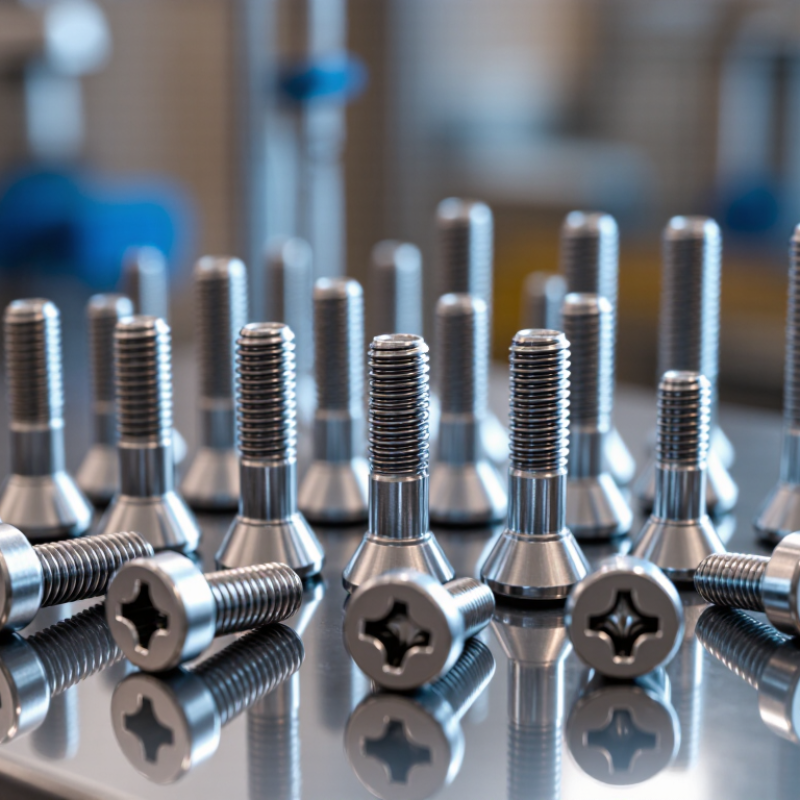
What Defines a Reliable Screw Pan Head Manufacturer in China
A reliable screw pan head manufacturer combines stable production with clear technical evidence. In supplier audits, I look beyond polished samples and factory photographs. The production floor should show organized material storage, calibrated gauges, and controlled plating areas. Material certificates must match the ordered steel grade. Batch numbers should remain traceable from raw wire to packed cartons. Samples alone prove little. Good suppliers welcome independent inspections and explain defects without hiding them.
Dimensional control matters for every screw. Inspectors should verify thread diameter, pitch, head height, drive depth, and point shape. Small deviations can cause poor seating or tool slippage during assembly. Torque testing reveals whether the screw performs consistently under real installation pressure. Coating checks, including salt spray testing, can expose weak corrosion resistance. A practical manufacturer provides inspection records, tolerances, and corrective action reports. Vague promises are not technical support.
Reliable communication is equally important for global buyers. The supplier should answer drawings, packaging questions, and lead-time risks with specific details. Production updates should include realistic dates, not optimistic guesses. I have learned that fast replies do not always mean strong control. No factory is flawless. Even experienced manufacturers can miss a labeling error or delay a batch. What matters is honest reporting, documented correction, and prevention of repeat problems. Before placing a large order, buyers should compare samples, audit evidence, and small-batch performance.
How China’s Top 10 Manufacturers Are Selected
China Top 10 Screw Pan Head Manufacturers for Global Buyers
The top ten manufacturers should be selected by evidence, not website design or export claims. Grand View Research estimated the global fasteners market at USD 83.82 billion in 2023, with steady growth expected through 2030. This demand increases pressure on suppliers to prove consistency. Each candidate should provide material certificates, dimensional inspection records, coating specifications, and traceability from steel coil to packed cartons. ISO 9001 certification supports process control, but it cannot replace independent product testing.
Practical evaluation matters.
A reliable review should examine production lines, sampling methods, mold maintenance, and warehouse conditions. Inspectors can measure head diameter, thread pitch, plating thickness, and torque performance. A loose screw in a sample box may reveal weak process discipline. The selection should also compare monthly capacity, minimum order quantities, packaging strength, and documented on-time delivery. Export experience is useful, but customs history alone does not prove technical quality.
The ranking should consider standards such as ISO, ASTM, and applicable national specifications. Independent laboratory results deserve more weight than sales promises. I would also request samples from different production batches, because one perfect batch proves little. This method is not flawless; audit dates, supplier changes, and market data can become outdated. Therefore, the top ten list should be reviewed regularly, with clear scoring records and buyer feedback supporting every position.
Key Product and Quality Factors for Global Buyers
China Top 10 Screw Pan Head Manufacturers for Global Buyers
Global buyers should assess pan head screws beyond price and appearance. The head diameter must provide stable bearing contact without damaging thin sheet materials. Recess depth also matters because shallow drives can strip during automated installation. ISO 898-1 defines mechanical property requirements for many carbon and alloy steel fasteners, including tensile strength and proof load. Buyers should request test reports linked to specific production lots, not generic certificates.
Corrosion protection deserves equal attention. The NACE IMPACT study estimated global corrosion costs at approximately 2.5 trillion US dollars, or 3.4% of global GDP. Coating selection should match humidity, salt exposure, temperature, and contact with dissimilar metals. ISO 4042 and ASTM F1941/F1941M provide useful frameworks for electroplated coating control. Salt-spray hours alone can mislead. They do not perfectly predict outdoor service life.
Factory evaluation should include dimensional inspection, hardness testing, torque-tension checks, and batch traceability. Ask for samples with measured head diameter, thread pitch, coating thickness, and drive engagement. Inspect the screw under real assembly conditions. A smooth sample can hide inconsistent lots. That is easy to miss. Manufacturers should explain corrective actions, gauge calibration, and sampling plans. I would treat unusually perfect data with caution. Independent verification costs more, but a failed fastener can cause delays, rework, and field complaints. Some buyers still focus too heavily on catalog images; that habit deserves reconsideration.
China Top 10 Screw Pan Head Manufacturers for Global Buyers: Key Strength Classes
For global buyers, screw property class is a critical quality factor. The chart compares the nominal tensile strength of common metric steel screw classes defined by ISO 898-1. Higher-strength classes can support greater tensile loads, but the final selection should also consider application loads, corrosion exposure, installation torque, and material compatibility.
How International Buyers Can Compare and Source Suppliers
China Top 10 Screw Pan Head Manufacturers for Global Buyers
How International Buyers Can Compare and Source Suppliers
International buyers should compare China’s top ten screw pan head manufacturers using evidence, not polished catalog images. Request material certificates, dimensional drawings, coating specifications, and recent inspection records. Check thread diameter, head height, drive type, and tolerance against your application.
Small details matter. Ask for samples from the same production line used for mass orders. Measure thread engagement with a calibrated gauge, then inspect the head surface under direct light. For outdoor use, request corrosion test results and confirm the test method. A supplier’s stated production capacity also needs verification through factory photos, video calls, or an independent audit.
Compare quotations on equal terms. Include tooling, packaging, inspection, shipping, and replacement policies. Confirm minimum order quantities and lead times in writing. A clear purchase specification prevents expensive misunderstandings. It should cover steel grade, hardness range, plating thickness, carton weight, and labeling requirements. Samples can pass while bulk production varies. That risk is easy to underestimate.
Review communication quality as part of supplier reliability. Do technical answers arrive quickly and accurately? Can the supplier explain a rejected sample without avoiding responsibility? One practical approach is a small trial order with documented acceptance criteria. It may cost more initially. Yet it reveals process control better than a low price. No comparison is perfect, and buyers should revisit their scoring after receiving real production data.