
Choosing the 2026 Best Hydraulic Pile Driving Rig in Southeast Asia depends on the ground, project scale, and service support—not brochure claims alone. A machine suited to a coastal bridge site may struggle on a confined urban project. Soft alluvial soil, hard layers, monsoon access, and transport limits can change the decision quickly. Small details matter.
Geotechnical engineer Bengt H. Fellenius is a recognized specialist in pile foundations. A practical paraphrase of the principle reflected in his technical work is: “Judge pile installation by measured evidence, not machine size alone.” That distinction guides this comparison. We consider hydraulic impact energy, control accuracy, pile compatibility, operating stability, and maintenance access. We also look at field realities, such as moving a rig between sites or finding trained technicians during a tight schedule.
There is no universal winner. A high-output rig may be a poor fit if its parts are hard to source locally. Likewise, an attractive purchase price can hide costly downtime. This guide compares candidate rigs against clear project needs and available evidence. Some judgments remain provisional; regional performance data is not always complete. Buyers should verify specifications, trial results, and service commitments before choosing a Hydraulic Pile Driving Rig in Southeast Asia. That caution is part of a sound decision.
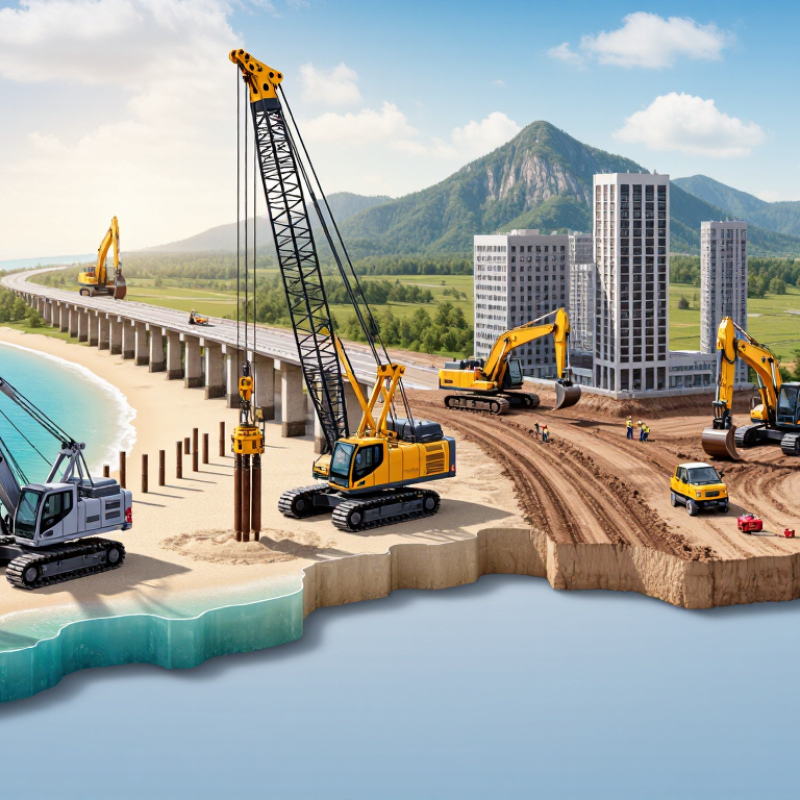
A hydraulic pile-driving rig converts engine power into controlled force at the pile head. Its main systems include a power unit, hydraulic pump, hoses, mast, hammer, clamps, and operator controls. Pressurized oil moves the hammer’s ram, while valves regulate flow and impact frequency. Simple in principle.
Before driving, the crew aligns the mast, secures the pile, and checks hose connections. The ram rises or accelerates under hydraulic pressure, then transfers energy into the pile. Repeated impacts advance it while operators monitor verticality, depth, and blow count. Small leaks matter. In humid, rainy conditions, exposed connections and slippery access areas need extra attention.
A sound setup matches hammer energy and pile type to the design and ground investigation, not guesswork. Daily checks should cover seals, fasteners, oil temperature, filters, and emergency stops. Heat, muddy ground, and changing soil layers can affect performance, so readings need context. Even experienced crews can misread refusal; a dense layer or obstruction may create similar resistance. Record driving data and compare it with the project’s acceptance criteria.
Choosing a hydraulic pile driving rig for Southeast Asia starts with the ground, not the brochure. Coastal sand, soft delta clay, weathered rock, and reclaimed fill can appear within one project. Ask for verified hammer energy, blow rate, and pile range under working conditions. Peak figures mislead. Check whether the rig can hold alignment when a long pile meets uneven resistance.
Stability matters as much as impact force. Compare track width, operating weight, mast adjustment, and repositioning time on tight urban sites. Hydraulic response should remain consistent through repeated cycles, even in high heat and humidity. Record fuel use per operating hour and inspect access to filters, hoses, and wear parts. Small delays add up. Ask operators about service intervals and common downtime, not only rated output.
A useful comparison also covers pile type, section size, handling method, and project noise limits. Confirm that controls allow measured starts and steady driving, rather than relying on aggressive impact settings. Request site-relevant performance logs, maintenance records, and operator feedback. Paper specifications are tidy; real ground is not. Many comparisons lack like-for-like test conditions, so treat impressive numbers cautiously.
Southeast Asia is not one ground condition. Coastal sites may contain soft marine clay, loose sand, and shallow groundwater, while inland projects can encounter weathered rock or dense gravel. Monsoon rain can soften access roads and flood working areas. Small details matter.
A hydraulic pile driving rig should match the project’s pile type, required penetration, and available working space. On soft ground, check the rig’s operating weight and ground pressure before mobilization. A firm-looking platform may hide saturated soil. On dense layers, confirm that the hammer can deliver suitable energy without overstressing the pile. Review site investigation data, pile records, and trial-driving results together; early borehole records can still leave gaps.
Track penetration per blow, pile alignment, and changes in hydraulic pressure during driving. These observations help identify refusal, unexpected obstructions, or possible pile damage. Keep daily records, especially when rain changes ground conditions. That takes discipline. Urban projects may also need compact equipment, controlled noise, and carefully planned lifting paths. A practical selection balances capacity with transport limits, setup time, and safe access. There is no single best rig for every Southeast Asian site, and early estimates sometimes need revision after trial piles.
2026 Best Hydraulic Pile Driving Rig in Southeast Asia?
Hydraulic pile driving options in 2026 suit different ground conditions and project layouts. Crawler-mounted impact rigs provide strong driving energy for deep piles and mixed soil layers. Vibratory rigs can install suitable piles quickly, especially where steady production matters. Static press-in rigs offer a quieter alternative for dense urban areas, but need compatible piles and sufficient reaction weight.
Across Southeast Asia, site conditions can change within a short distance. Soft alluvial ground near a river may demand different equipment from a compact city lot. Check the rig’s working radius, transport dimensions, pile capacity, and hydraulic output against actual drawings. Ask operators about recent work in similar soil, not just headline capacity. A larger rig is not always better; access can become the real limit. I would still verify noise expectations and ground movement with the project team before choosing.
Tips: Confirm soil data, pile type, and access routes before comparing quotes. Inspect hoses, clamps, and service records. Keep space for setup and maintenance. Small details matter. And the first plan may need adjustment once test piles reveal real driving resistance.
| Rig configuration | Typical hydraulic hammer energy band | Common pile applications | Project conditions it may suit | Key selection considerations | Indicative fit for Southeast Asia |
|---|---|---|---|---|---|
| Compact crawler-mounted rig | Approximately 20–80 kJ, depending on hammer and setup | Small precast concrete piles, sheet piles, and selected steel sections | Restricted urban sites, low-rise construction, small waterfront works, and projects with limited working space | Check access width, ground-bearing pressure, mast reach, pile handling method, and noise restrictions. | Best for access-limited sites |
| Standard crawler-mounted rig | Approximately 60–200 kJ, depending on pile and soil requirements | Precast reinforced-concrete piles, steel H-piles, and sheet piles | General building foundations, industrial facilities, and medium-scale infrastructure on accessible sites | Match hammer energy to pile section, soil resistance, required penetration, and allowable pile stresses. | Versatile general-purpose option |
| Heavy-duty crawler rig | Approximately 150–500+ kJ; final capacity is equipment- and application-specific | Large precast piles, heavy steel piles, and high-capacity foundation piles | Major bridges, ports, energy projects, and large industrial developments | Verify crane or leader capacity, pile cushion requirements, transport limits, platform stability, and environmental controls. | For high-capacity work |
| Leader-guided hydraulic hammer system | Selected to suit the pile design; commonly configured across light to heavy energy classes | Long or slender piles that need controlled alignment during driving | Bridge approaches, wharves, marine structures, and projects where pile verticality is important | Assess leader length, pile pitching method, wind exposure, water access, and required installation tolerance. | Useful for alignment control |
| Excavator-mounted hydraulic pile driver | Varies widely by attachment, carrier size, and pile type; confirm from the attachment’s rated data | Sheet piles and selected short steel piles; capability depends on the carrier and attachment | Temporary works, smaller retaining systems, and sites where an excavator is already available | Confirm carrier hydraulic flow and pressure, attachment compatibility, reach, stability, and permitted duty cycle. | Flexible for selected tasks |
| Low-noise or vibration-controlled piling setup | Chosen to meet the pile design while managing site-specific noise and vibration limits | Sheet piles and selected foundation piles, subject to the approved installation method | Dense urban areas, sensitive buildings, and locations with strict monitoring or work-hour requirements | Consider press-in or pre-boring alternatives where appropriate; monitor vibration and confirm local approvals. | For sensitive surroundings |
Selection note: Energy bands are indicative planning ranges, not specifications for a particular machine. Actual suitability depends on pile material and dimensions, geotechnical conditions, required penetration and capacity, installation criteria, access, and applicable local regulations. A project-specific piling plan and equipment data should be reviewed before selection.
2026 Best Hydraulic Pile Driving Rig in Southeast Asia?
Choosing a hydraulic pile driving rig starts with the ground, not the brochure. Coastal sites may have soft clay, reclaimed fill, or groundwater close to the surface. Ask for performance data suited to your pile type, dimensions, and expected soil conditions. A rig that looks powerful on paper may still struggle with access, setup, or frequent repositioning.
Safety must be practical on site. Check visibility from the operator’s seat, emergency-stop access, hose protection, and the stability of the working platform. In wet weather, muddy tracks and slippery walkways become real hazards. Review maintenance intervals and daily inspection points with the crew before work begins. Small details matter. A tidy service area helps, too.
Efficiency also depends on local support. Confirm that trained technicians, common wear parts, and hydraulic troubleshooting are available within a realistic travel time. Ask how quickly the supplier can respond during the rainy season, when transport delays are possible. Request operator training and clear service records, not just a delivery promise. No checklist catches everything. I would also compare actual site feedback with the specifications; that step is easy to skip, and sometimes the decision still feels uncertain. A suitable rig balances safe operation, steady output, and dependable support near the project.