Best Floating Pontoon System Solutions for Global Buyers?
When considering the best Floating Pontoon System solutions, buyers face a wide array of choices. Floating Pontoons offer versatility for various applications, from recreational to commercial use. They provide stability on water, which is crucial for safety and functionality.
Today, potential users might feel overwhelmed by the options. Each Floating Pontoon System has distinct features, costs, and installation processes. Some systems excel in durability and are better suited for harsh environments. Others focus on aesthetics, making them appealing for leisure activities. Understanding these differences requires careful scrutiny and informed decision-making.
In a global market, clients must also consider their specific needs. Local regulations may influence design and materials. Balancing quality and budget is essential, yet challenging. A solid choice today can lead to long-term satisfaction, but selecting the wrong system could result in unmet expectations. Ultimately, making the right decision involves weighing multiple factors to find a Floating Pontoon System that meets individual requirements effectively.
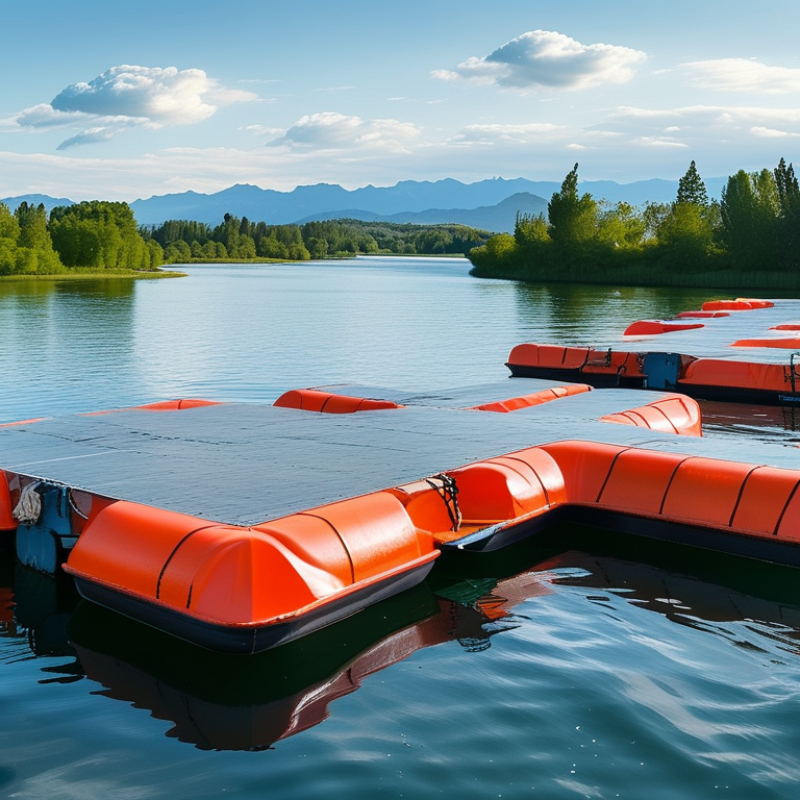
Overview of Floating Pontoon Systems and Their Applications
Floating pontoon systems have gained significant traction across various industries. They serve multiple applications, from leisure activities to commercial endeavors. According to a report by Grand View Research, the global floating dock system market was valued at $3.3 billion in 2022 and is projected to grow at a CAGR of 6.5% from 2023 to 2030. This growth can be attributed to the rising demand for waterfront developments and recreational boating activities.
In marine environments, floating pontoons provide stable bases for docks, bridges, and marinas. These structures are essential for supporting maintenance and operational activities in coastal areas. They can also facilitate easy access to vessels, enhancing safety and efficiency. However, the durability of materials used in pontoon construction can be a concern. Often, environmental factors such as tidal fluctuations and extreme weather conditions pose challenges.
For commercial applications, the integration of sustainable materials is gaining importance. A shift towards eco-friendly solutions aligns with regulatory pressures and consumer preferences. Despite advancements, the industry still faces hurdles. The variability in local regulations can lead to inconsistent standards. Buyers need to remain vigilant in their assessments. They must consider both the short-term benefits and long-term implications of their choices in floating pontoon systems.
Key Features to Look for in Floating Pontoon Solutions
When exploring floating pontoon systems, certain key features stand out for buyers. Stability is crucial. Ensure that the pontoons are designed to withstand various weather conditions. Look for materials that resist corrosion and UV damage. High-density polyethylene (HDPE) is often a reliable choice. This material not only offers durability but also ensures safer usage on water.
Portability is another factor to consider. A good floating pontoon should be easy to assemble and disassemble. This flexibility allows users to respond to changing needs swiftly. In addition, weight capacity plays an essential role. Buyers must assess how much load the pontoon can safely support. This aspect impacts both safety and functionality.
Customization options can also enhance user experience. Consider systems that allow for modifications based on specific applications. Whether for leisure, racing, or commercial use, having choices is beneficial. While many solutions exist, it's essential to compare their features meaningfully. Not every option will meet your needs perfectly, making careful selection vital.
Best Floating Pontoon System Solutions for Global Buyers
| Feature | Description | Benefits | Considerations |
| Material | High-density polyethylene or aluminum construction | Durability and resistance to corrosion and UV light | Higher upfront cost for better materials |
| Modularity | Modular design for easy customization and expansion | Flexible layout options for different needs | Potential complexity in assembly |
| Load Capacity | Varies based on size and design; typically measured in kg/m² | Supports various activities, including recreational and commercial use | Must align with intended use to avoid overloading |
| Anchoring System | Integrated anchoring options for stability | Prevents drifting and improves safety | Requires appropriate installation for effectiveness |
| Safety Features | Includes railings, non-slip surfaces, and emergency access | Enhances user safety, especially for children | May increase overall design costs |
Types of Floating Pontoon Systems Available in the Market
Floating pontoon systems provide versatile solutions for various applications, including marinas, waterfront development, and recreational activities. Several types are available in the market, each designed to meet specific needs. For instance, modular floating pontoons are popular. Their interlocking design allows for easy assembly and customization. This feature makes them ideal for temporary installations or expanding projects.
Another type is the concrete pontoon system, known for its durability. These are heavy and stable, making them suitable for harsh environmental conditions. They are often used in commercial settings due to their long lifespan. However, their weight may limit relocation options. In contrast, plastic pontoons are lightweight and easy to maneuver. They can be flexibly arranged to suit various water activities, although they may not withstand heavy loads as effectively.
When selecting a floating pontoon system, consider specific environmental factors. Those living in areas with strong currents or storms need reliable options. It's essential to balance cost with durability and functionality. Each type has its pros and cons. Assess your needs carefully to avoid potential drawbacks. This reflection can save time and resources in the long run.
Top Global Suppliers of Floating Pontoon Systems
Floating pontoon systems are increasingly popular worldwide, thanks to their versatility and practicality. These systems manage to support various activities, such as temporary structures, water sports, and environmental protection initiatives. Some industry reports indicate a projected growth rate of more than 8% annually in the floating pontoon market over the next five years. This trend highlights an increasing demand for reliable and innovative solutions.
Top suppliers of floating pontoon systems often feature advanced materials, including high-density polyethylene and modular designs. These advancements enhance the durability and adaptability of the systems. According to market research, the Asia-Pacific region currently leads in pontoon installation, with countries like Australia and Japan at the forefront. However, challenges remain. Suppliers must address environmental concerns about materials used and the long-term impact of pontoons on aquatic ecosystems.
Reliability is critical for suppliers entering the floating pontoon market. Prospective buyers are keen on selecting manufacturers with proven track records and extensive experience in a variety of applications. While some suppliers excel in production, their installation services can be lacking, leading to operational issues. Industry experts encourage buyers to look at supplier reviews and case studies to ensure they make informed decisions, minimizing risks associated with poor-quality products.
Cost Considerations and Budgeting for Floating Pontoon Systems
Floating pontoon systems have gained popularity for various applications, including marinas, events, and recreational spaces. However, when considering these solutions, cost plays a vital role. Buyers must consider the initial investment and ongoing maintenance costs. Each project's unique specifications can significantly impact the budget.
Quality materials and design can affect durability and performance. Buyers need a balance between cost and reliability. Cheaper options may lead to higher long-term expenses due to repairs or replacements. Additionally, local regulations might impose extra costs. Each project's specific needs must be analyzed to avoid overspending.
Finally, it's worth noting that budgeting for floating pontoon systems requires careful planning. Buyers should consider installation fees and potential environmental impacts. Reflection on these aspects can prevent financial strain. A clear understanding of total costs will create more successful projects.
Cost Considerations for Floating Pontoon Systems