Best Chiller Series to Choose for Your Needs?
Choosing the right Chiller Series for your needs can be daunting. There are many options available, and knowing which one suits your requirements is crucial. Whether for commercial use or industrial applications, selecting an appropriate chiller can significantly impact efficiency and performance.
Many people overlook important factors when evaluating chiller series. They focus primarily on initial costs rather than long-term benefits. Energy efficiency, maintenance costs, and durability are vital metrics. A reliable chiller series can save you money over time.
While it may seem appealing to choose the cheapest option, you might regret that choice later. Remember, an ideal chiller should align with your specific cooling demands. Take your time to analyze various models. Reflect on your needs, and do your research thoroughly. Ultimately, finding the best chiller series can enhance your operations and provide lasting satisfaction.
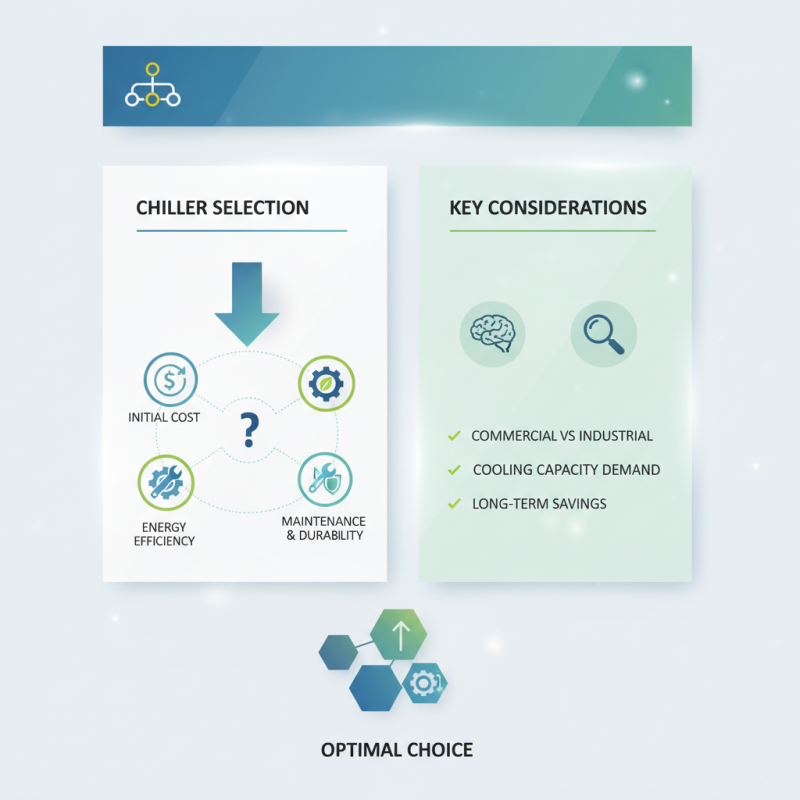
Factors to Consider When Choosing a Chiller Series for Your Needs
Choosing the right chiller series requires careful consideration. Start with cooling capacity. Assess the specific needs of your facility. Ensure the chiller can handle peak loads effectively. Oversizing can lead to inefficiencies. Undersizing may result in frequent failures.
Next, think about energy efficiency. Look for chillers that meet your energy goals. High-efficiency models can save money long-term. However, they might have a higher upfront cost. Calculate the return on investment over time. Pay attention to maintenance requirements too. Some chillers need more upkeep than others. This can impact operational costs.
Consider the environmental impact. Some chillers use refrigerants that are harmful to the ozone layer. Opt for eco-friendly options if possible. They might come with trade-offs in performance. Lastly, think about noise levels, especially if located near occupied spaces. A chiller can be noisy. Assess your space and choose wisely. Balancing these factors can be challenging but necessary for optimal performance.
Comparison of Air-Cooled vs. Water-Cooled Chillers in Industrial Applications
When choosing between air-cooled and water-cooled chillers for industrial applications, several factors matter. Air-cooled chillers are simpler to install and require less maintenance. They absorb heat from the air around them. This can be advantageous in cooler climates. However, they may struggle in high-temperature environments. Efficiency can drop, resulting in higher operating costs.
On the flip side, water-cooled chillers are typically more efficient. They use water to dissipate heat, which allows them to perform better in hot conditions. Businesses often use them in large facilities due to their cooling capacity. Yet, installation can be complex. They need a reliable water source and comprehensive maintenance. This adds to operational challenges.
Some companies might pick air-cooled units to save upfront costs. But this choice can lead to quicker wear and tear. Conversely, water-cooled systems can seem daunting at first, yet they may provide long-term savings. Ultimately, understanding the specific needs of your industrial application is crucial. Making the right choice can be a daunting task but is essential for efficiency.
Best Chiller Series to Choose for Your Needs? - Comparison of Air-Cooled vs. Water-Cooled Chillers in Industrial Applications
| Feature | Air-Cooled Chillers | Water-Cooled Chillers |
| Cooling Efficiency | Moderate | High |
| Installation Cost | Lower | Higher |
| Maintenance Requirements | Low | Higher |
| Space Requirements | Less | More |
| Noise Level | Higher | Lower |
| Cooling Capacity Range | Small to Medium | Medium to Large |
Top Chiller Brands in the Market Based on Efficiency Ratings and Performance
When it comes to selecting a chiller, efficiency is key. Some models stand out for their energy savings. Look into those that have high efficiency ratings. They not only lower energy costs but also reduce environmental impact. Some chillers perform exceptionally well under specific conditions. Make sure to match the chiller to your needs.
Performance is another crucial factor. Consistent operation is vital for minimizing production downtime. Some chillers may struggle during peak loads; such performance issues can lead to frustration. Additionally, consider noise levels. Quiet operation can be essential in certain environments, such as hospitals or office spaces.
Technology plays an important role, too. Modern chillers often feature advanced controls and monitoring systems. These can provide insights into performance trends. However, these features may sometimes complicate maintenance or lead to unexpected downtime. It’s essential to weigh these benefits against potential challenges. Always seek feedback from user reviews to help you assess real-world performance.
Understanding the Role of BTU Output in Selecting a Chiller System
When selecting a chiller system, understanding BTU (British Thermal Unit) output is crucial. BTU measures the energy required to cool one pound of water by one degree Fahrenheit. Higher BTU ratings indicate more cooling power. For instance, a small office space might need around 12,000 BTU to maintain a comfortable temperature. This number can vary based on factors such as equipment load and insulation quality.
Industry studies show that many facilities underestimate their cooling requirements. This leads to selecting chillers that are either oversized or undersized. Oversized systems can cycle on and off frequently, wasting energy. Conversely, undersized units struggle to maintain adequate temperatures, resulting in discomfort. A common issue is failing to consider peak load scenarios. During hot summer months, cooling needs can spike significantly.
Data from the U.S. Department of Energy highlights that proper sizing can lead to energy savings of up to 30%. By calculating precise BTU needs, companies can enhance efficiency. This is not just about numbers; it’s about creating sustainable environments. Not all buildings are the same, and using a one-size-fits-all approach can lead to costly errors. Regular assessments and adjustments can result in better performance over time.
Key Maintenance Practices to Ensure Longevity of Your Chiller System
Maintaining your chiller system is crucial for long-lasting performance. Regular upkeep can prevent costly repairs. Check the coolant levels frequently. The right amount of coolant is vital to optimal function. Too little can lead to overheating.
Tips: Schedule routine inspections. A technician can spot issues early. Cleaning coils is essential. Dust and debris reduce efficiency. Use a soft brush, or gentle cleaning agent. This simple step can boost performance significantly.
Monitor the temperature gauges. This helps in understanding any fluctuations in performance. Sudden changes can indicate issues. Address them swiftly to avoid further damage. Keep an eye on strange noises as well. Unusual sounds can signal mechanical problems.
Tips: Always maintain a log of maintenance activities. Write down any issues or repairs. This record can guide future actions. Be proactive, not reactive. Ignoring minor problems can lead to major expenses over time. A few simple practices can extend the life of your chiller system.
Monthly Chiller Maintenance Practices