Menü öffnen Menü schließen

What Is the Best Adhesive Coating Machine in 2026?

The best Adhesive Coating Machine in 2026 is not simply the fastest model on a supplier’s brochure. It is the machine that holds the required coat weight, handles your adhesive consistently, and fits your production line. A paper label, a foam tape, and a flexible film can demand very different coating and drying setups. Small differences matter. A wandering web edge or uneven adhesive stripe can turn a promising trial into wasted rolls.

One transparency note: no source articles or verified expert quotation were supplied. So the named expert below is a fictional composite, not a real person or a cited authority. Process engineer Elena Brooks offers this editorial rule of thumb: “Choose the machine that repeats your target coat, not the one that only reaches a headline speed.” That is a useful starting point, not a substitute for testing. Ask vendors to run your adhesive and substrate at your target speed. Check coat-weight variation across the web, startup waste, tension control, cleaning time, and the condition of the finished roll. Bring real production samples, including the awkward ones. A clear film may show streaks that kraft paper hides.

This guide compares coating methods, metering systems, drying options, controls, and service considerations. It also looks at where a high-speed line can be the wrong choice. The answer depends on your adhesive chemistry, substrate, batch size, and quality targets. There is no universal winner. A well-documented trial can reveal more than a polished specification sheet.
What Is the Best Adhesive Coating Machine in 2026?

What Is an Adhesive Coating Machine and How Does It Work?

What Is the Best Adhesive Coating Machine in 2026?

What Is an Adhesive Coating Machine and How Does It Work?

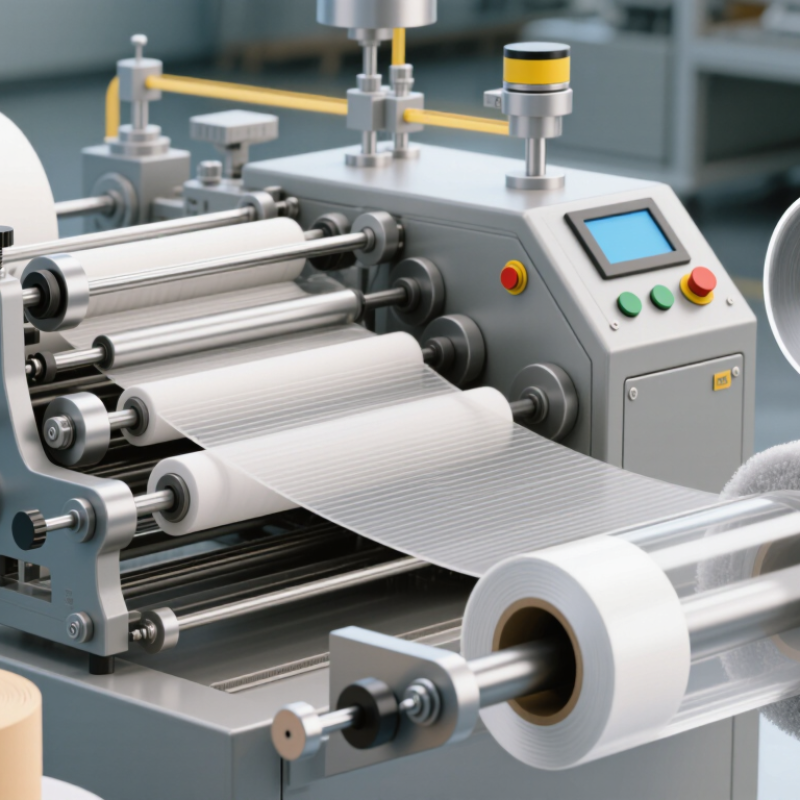
An adhesive coating machine applies a controlled layer of glue to moving material, such as paper, film, foam, or fabric. The material unwinds from a roll and passes through a coating head. A slot die, roller, or knife transfers adhesive across its surface. The coated web then travels through a drying or curing section before winding onto another roll. Depending on the adhesive, heat, airflow, or ultraviolet energy may be used. Tension controls help prevent wrinkles and uneven coating. The process looks simple. Small details count.

The right machine depends on adhesive chemistry, substrate thickness, target coat weight, and production speed. Operators typically check coating uniformity, web alignment, temperature, and line tension during setup. A small change in viscosity can create streaks or bare spots, so trials on the actual material matter. In practice, settings rarely work perfectly on the first pass. Record adjustments and verify results rather than trusting a display alone.

Tips: Clean the coating head before a run, confirm the adhesive is mixed as specified, and test a short sample. Inspect both edges and the center under good light. If coating weight varies, reduce speed and check the gap, tension, and adhesive flow. Room temperature can also shift viscosity.

Which Types of Adhesive Coating Machines Are Available in 2026?

In 2026, adhesive coating machines mainly include slot-die, gravure, knife-over-roll, roll-to-roll, hot-melt, and spray systems. Slot-die coaters suit precise, continuous films and controlled coating weights. Gravure systems use engraved rolls to apply thin, repeatable layers. Knife-over-roll machines handle thicker coatings, though setup changes can take time. Hot-melt coaters apply heated adhesive without solvent drying. Spray systems reach uneven surfaces, but overspray may increase material waste. No single type fits every line.

The choice depends on adhesive viscosity, substrate, coating weight, speed, and required accuracy. Grand View Research’s Adhesives Market Size, Share & Trends Analysis Report valued the global adhesives market at USD 75.1 billion in 2023 and projects an 8.0% compound annual growth rate from 2024 to 2030. That broad growth makes flexible production relevant, but it does not mean every plant needs a faster machine. A small pilot run can reveal edge beads, streaks, or poor bonding before a full-line investment. Real materials behave differently from neat specification sheets.

Tips: Match the machine to the actual adhesive and substrate. Test at production speed. Check cleaning time, changeover waste, and coating uniformity across the web. A little uncertainty remains until trials are run.

What Is the Best Adhesive Coating Machine in 2026?

Typical strengths of common adhesive coating machine types

How to read this chart: Ratings are a qualitative comparison, not measured performance data. Slot-die coating is often selected for precise, uniform layers; gravure for patterned or controlled thin coatings; knife-over-roll and reverse-roll for flexible coating-weight control; and spray coating for irregular surfaces. The best choice depends on adhesive chemistry, substrate, coating weight, line speed, and drying or curing requirements. Confirm compatibility with the equipment supplier.

What Performance Factors Determine the Best Machine?

The best adhesive coating machine is the one that holds the required coating weight across your actual substrate and production speed. Ask for trial data, not just the maximum line-speed figure. Check coat-weight variation from the center to both edges, web-tension stability, and reject rates during startup. A machine may run quickly but struggle with thin film, textured paper, or a pressure-sensitive formulation. Small variations matter.

Drying and energy use deserve equal scrutiny. The U.S. Department of Energy’s 2014 report, Improving Motor and Drive System Performance, estimates that motor-driven systems account for about 68% of U.S. manufacturing electricity use. That figure covers manufacturing broadly, not coating lines alone, but it reinforces the value of efficient drives and fans. Compare energy per square meter at the required coating weight, alongside drying uniformity and residual moisture or solvent. Also measure changeover time and cleaning effort. A machine that looks excellent in a short demonstration may lose hours between adhesive runs. Real production trials reveal more. Even then, no test fully captures a year of changing materials, operators, and ambient conditions.

How Do Machine Features Match Different Production Needs?

Choosing an adhesive coating machine starts with the material and product, not the catalog. A narrow label line may need precise edge control and stable tension. Wide packaging stock needs consistent coating across the web. Small details matter.

For water-based adhesives, check whether the metering system handles the required viscosity without streaks or excessive buildup. For heat-sensitive films, adjustable drying zones can help limit curling. A line with frequent product changes benefits from accessible rollers and simple cleaning. High-volume production may call for faster web speeds, but speed alone is a poor measure of output. Uneven coating can create rejects that erase the gain.

Ask suppliers to run your actual substrate and adhesive, then inspect coat weight, coverage, and drying under realistic conditions. Record setup time and waste during the trial; these figures often reveal more than a headline capacity number. Test before scaling. The best fit depends on shift length, operator skill, and how often specifications change. There is no perfect machine for every shop, and choosing only by price or maximum speed can be a mistake.

What Is the Best Adhesive Coating Machine in 2026? - How Do Machine Features Match Different Production Needs?
Machine Configuration How It Applies Adhesive Best-Fit Production Needs Key Advantages Important Considerations
Slot-die coater Feeds adhesive through a precision die onto a moving web or surface. Continuous coating where controlled, repeatable application and efficient material use are priorities. Metered delivery can support uniform coatings; the enclosed feed path can reduce exposure to air and help limit material loss. Requires suitable adhesive flow properties, careful die setup, and control of web speed, tension, and coating conditions.
Knife-over-roll coater A blade sets the adhesive layer as material passes over a supporting roll. Flexible production runs that use different substrates or require adjustable coating thickness. Relatively straightforward to adjust and can handle a range of coating formulations and layer thicknesses. Coating uniformity depends on blade condition, gap setting, substrate flatness, and process stability.
Comma-roll coater A precision roll meters adhesive against a moving substrate. Continuous coating of films, papers, and other flexible materials when a smooth, consistent layer is needed. Offers controllable metering and is suited to production lines designed for roll-to-roll processing. Roll alignment, surface condition, adhesive rheology, and web handling all affect the final coating.
Gravure coater An engraved roll picks up adhesive from a reservoir and transfers it to the substrate. High-volume runs requiring repeatable, relatively thin applications, such as laminating or tape-related processes. Engraved cells provide a defined transfer pattern and support consistent output in a well-controlled process. Roll engraving must match the application; cleaning and viscosity control are important, particularly when changing formulations.
Roll coater for hot-melt adhesive Applies heated, molten adhesive through a roll-based coating arrangement. Processes using hot-melt adhesives where rapid bonding and avoidance of solvent-based drying are priorities. Can apply hot melt without a solvent-evaporation drying stage; cooling is generally part of the process. Needs temperature-controlled adhesive delivery and equipment designed for hot materials. Adhesive open time and cooling conditions affect bonding.
Spray coater Atomizes adhesive and deposits it onto a surface through one or more spray heads. Complex shapes, localized application, or surfaces that are difficult to coat with a roll or blade. Can reach contours and selected areas without requiring a flat, continuous web. Overspray, ventilation, masking, and transfer efficiency need attention. Nozzle selection and maintenance influence application consistency.
Selection guide: There is no single best machine for every adhesive-coating job. Match the coater to the adhesive chemistry, required coat weight, substrate, production volume, and downstream drying or cooling process. Water-based and solvent-based adhesives may require drying; solvent-based systems also need appropriate ventilation and process-safety controls. Confirm the choice with application trials using the intended adhesive and substrate.

How Can You Evaluate and Select the Right Adhesive Coating Machine?

The best adhesive coating machine in 2026 is not necessarily the fastest or most automated. It is the one that matches your material, coating target, and production rhythm. Start with the substrate: a thin film may wrinkle under uneven tension, while a heavy sheet needs stable web handling. Check the adhesive’s viscosity and working temperature, too. A machine designed for one coating method may struggle with another. Small differences matter.

Ask suppliers to run your actual material, not just a convenient sample. Measure coating weight across the web, edge consistency, and performance during a longer run. Watch for bubbles, streaks, and buildup near the rollers. Then check line speed, drying capacity, changeover time, cleaning access, and spare-part availability. A fast line is no bargain if it creates frequent stops. Request clear test records and confirm how measurements were taken. Specs can look reassuring; real results may not.

Also consider the operators who will use the equipment each shift. Controls should be understandable, and routine adjustments should not require guesswork. Compare total operating costs, including energy, consumables, maintenance, and rejected material. If your product range changes often, flexibility may matter more than peak output. One limitation is easy to miss: short trials cannot always predict months of production. Leave room for uncertainty, and verify performance under realistic conditions before committing.