Menü öffnen Menü schließen

2026 Best CNC Stainless Steel Parts Suppliers?

Choosing the best supplier for Cnc Stainless Steel Parts in 2026 requires more than comparing online prices. Stainless steel behaves differently during cutting, drilling, turning, and finishing. Tool wear, heat control, burr formation, and dimensional stability can affect every finished component.

Industry data shows why supplier capability matters. The International Federation of Robotics reported 541,302 industrial robots were installed worldwide in 2023, marking a 10% annual increase. This growth reflects stronger demand for automated, repeatable manufacturing. However, automation alone does not guarantee quality. Skilled programming, verified inspection methods, and experienced operators remain essential. The World Stainless Association also continues to report substantial global stainless steel production, supporting demand across medical equipment, food processing, energy, and industrial machinery.

This guide evaluates leading suppliers through practical evidence. It considers material traceability, CNC capacity, tolerances, surface finishing, inspection equipment, and delivery performance. ISO 9001 certification can support process consistency, but certification should not replace direct quality records. Ask for inspection reports, sample parts, and clear responses about 304, 316L, 17-4 PH, and other grades. Small details matter. A clean thread matters. So does a stable Ra value.

No ranking is perfect. Supplier websites often highlight strengths while hiding production limits. Therefore, buyers should verify claims through drawings, capability studies, and independent communication. Reports such as World Robotics 2024 provide useful industry context, but they do not rank individual machining companies. Real supplier selection still depends on evidence, technical judgment, and the part’s actual working environment.
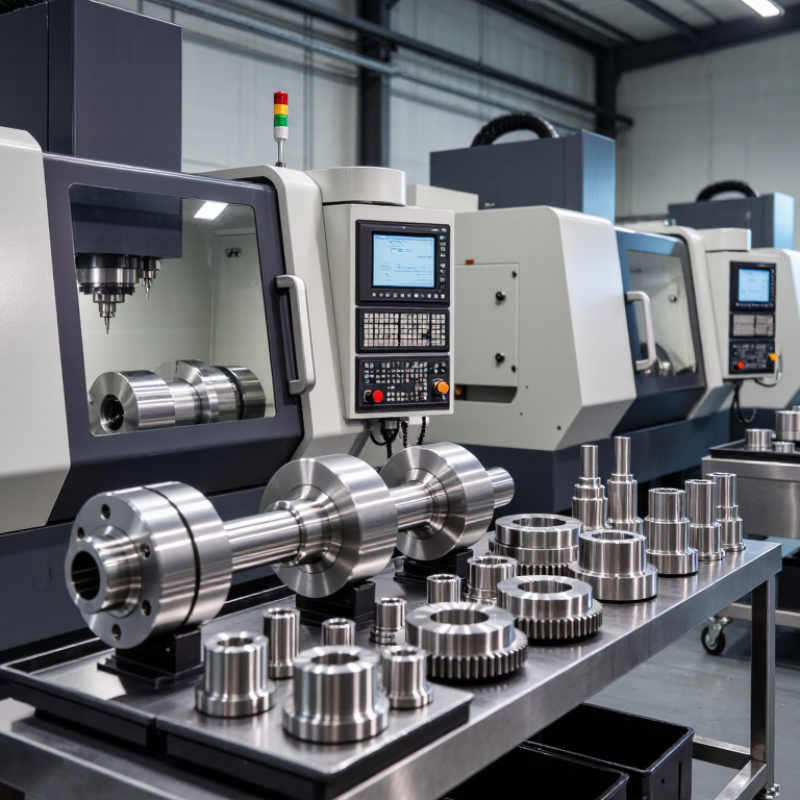
2026 Best CNC Stainless Steel Parts Suppliers?

What Defines a Reliable CNC Stainless Steel Parts Supplier in 2026

A reliable CNC stainless steel parts supplier in 2026 proves capability through repeatable evidence, not polished claims. Experienced buyers should inspect machining records, material certificates, and inspection reports before approving samples. The supplier must identify stainless grades clearly, including heat numbers and material condition. Small details matter. A 316L part with the wrong finish can fail in a wet assembly. Dimensional control should match the drawing, not a convenient internal standard. Ask for gauge calibration dates, first article data, and actual process tolerances.

Technical strength also appears on the shop floor. Modern five-axis equipment helps, but skilled operators still control fixturing, tool wear, burr removal, and surface protection. Reliable suppliers explain how they prevent scratching during washing and packing. They should discuss passivation when corrosion resistance requires it, while distinguishing it from ordinary cleaning. Clear capacity data matters too. A supplier accepting every order may quietly outsource critical operations. That weakens traceability.

Trust grows through transparent communication. A dependable team flags an unclear tolerance before cutting metal and documents any approved change. It shares realistic lead times, inspection photos, and corrective-action reports. I would also request a small pilot batch, especially for thin walls or deep bores. Production rarely goes perfectly. A missed edge break or delayed certificate can reveal weak controls. That is useful evidence, not merely an inconvenience. The best evaluation includes response quality, not only price, equipment lists, or a flawless sample.

Key Capabilities for Producing Precision Stainless Steel Components

Choosing the best CNC stainless steel parts supplier in 2026 requires more than comparing hourly rates. Precision begins with material control. Suppliers should provide heat-lot certificates, grade verification, and traceable records for 304, 316L, and precipitation-hardening steels. These details matter when corrosion resistance and mechanical strength affect product safety.

Machine capability must match part complexity. Five-axis machining can reduce repositioning errors on angled features and deep pockets. In-process probing helps detect tool wear before dimensions drift.

A capable supplier should also measure parts with calibrated CMM equipment, document uncertainty, and report actual results rather than only promising tolerances. The ISO Survey 2023 recorded more than 1.2 million ISO 9001 certificates worldwide, yet certification alone cannot prove consistent machining performance. A polished certificate is not enough.

03 Surface treatment deserves equal attention. Deburring, passivation, electropolishing, and controlled cleaning can prevent contamination around threads and sealing faces. Grand View Research’s CNC machine market analysis projects strong market growth through 2030, increasing access to advanced equipment. Access is not mastery. Ask for process-control data, first-article reports, inspection samples, and evidence of repeatability across production batches. Experienced teams will explain how they manage heat buildup, work hardening, thin walls, and burr formation. They should also admit where a design needs refinement. That honesty is useful. Even excellent suppliers can miss a difficult setup, so clear corrective-action records remain essential.

How to Evaluate Supplier Quality, Certifications, and Inspection Systems

2026 Best CNC Stainless Steel Parts Suppliers?

A reliable supplier proves quality through records, not polished promises. In practical sourcing reviews, I check the certificate scope, issuing body, covered facility, and expiration date. ISO’s ISO Survey 2022 recorded 1,265,216 ISO 9001 certificates worldwide. That figure shows certification is common, but it does not guarantee precise machining. A certificate is only a starting point.

Ask for material certificates under EN 10204 3.1, heat-lot traceability, and positive material identification records. For critical dimensions, review CMM reports with actual readings, tolerances, and equipment identification. Confirm calibration follows a controlled system, such as ISO 10012 principles. Surface roughness readings should identify the tested area and instrument. Small omissions matter.

Inspection plans should define sampling levels, first-article approval, nonconformance handling, and corrective-action response times. Request anonymized reports from recent stainless steel orders. They reveal more than a template. The supplier should explain how it controls tool wear, burrs, distortion, and passivation results. Audit the process when possible. Remote evidence can miss uncomfortable details. I have seen excellent inspection reports paired with weak packaging, causing scratches before delivery. That risk deserves a documented control. Also, challenge unclear measurements. A decimal point or unrecorded gauge can change acceptance completely.

Comparing Lead Times, Pricing, Customization, and Production Capacity

Choosing a 2026 CNC stainless steel supplier requires more than comparing hourly rates. The Institute for Supply Management’s March 2024 report recorded a Supplier Deliveries Index of 49.9, where readings below 50 indicate faster deliveries. Still, a quoted lead time means little without separating prototype, first-article inspection, and production schedules. Ask for shipment dates, machine availability, and a recovery plan for late material or failed inspection.

Pricing should show programming, fixturing, tooling, stainless grade, surface treatment, inspection, packaging, and freight. Compare identical drawings, not attractive unit prices. The 2024 Producer Price Index data from the U.S. Bureau of Labor Statistics showed continuing month-to-month movement across fabricated metal products. Therefore, request quote validity, material certificates, and the pricing formula for future batches. A low initial quote can become expensive after passivation and rework.

Customization depends on process depth. Confirm whether the supplier handles 3-axis, 5-axis, Swiss turning, thin walls, and tight concentricity requirements. Request sample inspection reports using calibrated equipment and recognized geometric tolerancing practices. Production capacity also needs evidence. Machine counts can mislead. Ask for available spindle hours, average batch size, overtime controls, and backup equipment. I have found that suppliers often promise capacity before checking fixtures. That is an uncomfortable warning, but it matters. A realistic vendor should explain tolerances, scrap risks, and what the shop cannot produce.

Selecting the Best Supplier for Your CNC Stainless Steel Project

Selecting the best supplier for a CNC stainless steel project requires more than comparing prices. Experience matters when material grade, tolerance, and surface finish affect the final assembly. I look for suppliers that explain their machining process clearly. They should provide material certificates, inspection records, and realistic production timelines. A dependable supplier also asks about load, temperature, corrosion exposure, and installation conditions. These questions show practical knowledge, not just sales ability.

Review the supplier’s equipment, inspection tools, and quality procedures. CNC turning and milling capabilities should match the part’s geometry. Check whether they use calibrated measuring machines, micrometers, and surface roughness testers. Request a sample or first-article inspection report before approving full production.

Small details matter. Threads, sharp edges, and deep pockets often create unexpected delays. I once underestimated packaging requirements, and a well-machined batch arrived with avoidable surface marks. That mistake changed how I evaluate suppliers.

Tips: Share complete drawings, three-dimensional files, tolerances, and annual quantities. Ask how the supplier handles design changes and nonconforming parts. Compare response quality, not only quotation totals. A low price may hide weak inspection or inconsistent finishing. Discuss passivation, deburring, and packaging in writing. No supplier is perfect, and my own specifications can be incomplete. Allow room for technical feedback, but verify every suggested change before production. An honest supplier should welcome questions and document each important decision.