Top Benefits of Using Fiber Laser Machine for Global Buyers
In today's competitive manufacturing landscape, the choice of technology profoundly impacts efficiency. The Fiber Laser Machine stands out as a game-changer for many global buyers. It offers precision, speed, and versatility that traditional laser technologies simply cannot match. These machines utilize fiber optics, ensuring high-quality cuts regardless of the material.
Users often report a significant reduction in operational costs. This efficiency is largely due to the lower energy consumption of Fiber Laser Machines. Additionally, maintenance requirements are generally lower, leading to less downtime and more productivity. Many industries, including automotive and aerospace, are recognizing these advantages.
However, it’s important to reflect on the initial investment. While Fiber Laser Machines can be expensive, the long-term savings often justify the cost. Buyers must consider their specific needs and evaluate if this technology aligns with their production goals. The shift to laser technology may raise questions, but the benefits often outweigh any initial hesitations. With robust performance and reliability, the Fiber Laser Machine is truly worth exploring.
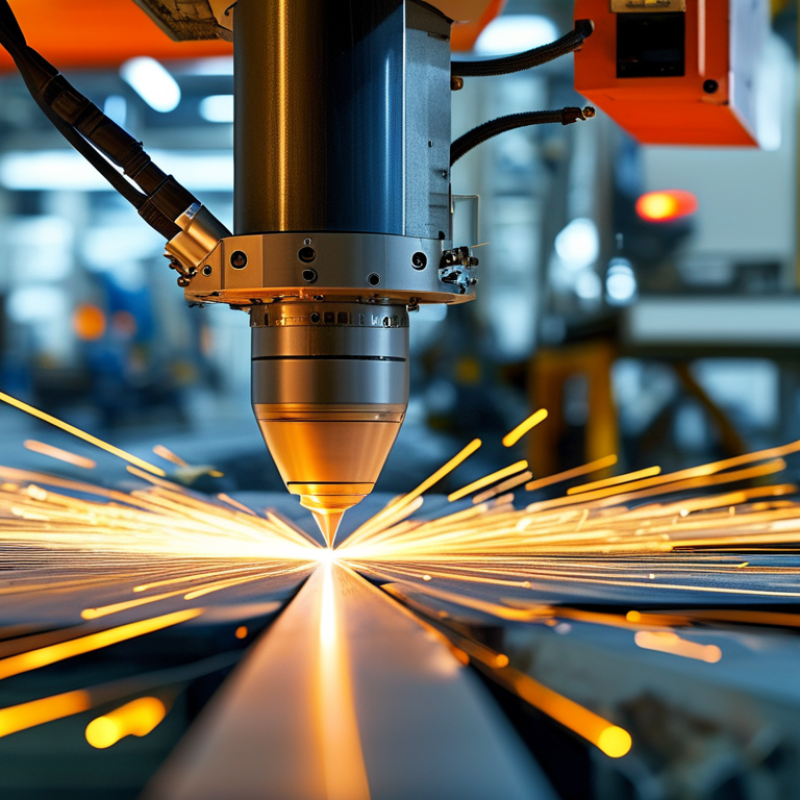
Key Advantages of Fiber Laser Machines in Modern Manufacturing
Fiber laser machines have transformed modern manufacturing, offering significant advantages over traditional cutting methods. One notable advantage is efficiency. According to the Laser Institute of America, fiber lasers can achieve cutting speeds up to 10 times faster than conventional methods. This increase in speed translates to reduced production time and lower operational costs. Manufacturers can also benefit from exceptional precision. A report from Market Research Future indicates that accuracy levels can be maintained at ±0.01 mm, making fiber lasers ideal for intricate designs.
In addition to speed and precision, fiber laser machines are renowned for their versatility. They can process a wide range of materials, including metals, plastics, and even ceramics. This adaptability allows manufacturers to diversify their product offerings without investing in multiple machines. However, the initial investment for fiber laser technology can be significant, posing a challenge for smaller businesses. Cost analysis shows that while the upfront costs are high, the long-term savings and benefits often justify the investment.
Despite these advantages, the technology can have a steep learning curve. Skilled operators are necessary to maximize efficiency and maintain safety standards. Furthermore, the development of reliable replacement parts can be a concern, highlighting the need for careful vendor selection. The path to embracing fiber lasers is complex, necessitating thoughtful considerations about resources and expertise.
Cost Efficiency: How Fiber Laser Machines Reduce Production Expenses
Fiber laser machines have emerged as game-changers in the manufacturing sector, especially concerning cost efficiency. According to a market research report by MarketsandMarkets, companies can reduce their production costs by up to 50% by transitioning to fiber laser technology. This reduction is primarily due to lower energy consumption and faster processing speeds compared to traditional laser systems.
One of the striking benefits is the lower operational costs. Fiber lasers use less electricity, reducing utility bills significantly. They require minimal maintenance, thus lowering downtime and repair expenses. A study by laser industry experts indicates that switching to fiber lasers can lead to savings of approximately $30,000 per year for small to mid-sized operations.
Tips: Regularly evaluate your production processes. Consider integrating fiber laser technology to maximize efficiency. Also, train your team to handle the machines properly, ensuring they run at optimal capacity. This proactive approach can lead to additional savings. Investing in fiber laser machines not only reduces costs but enhances production quality and speed. Many users report a noticeable improvement in precision, which can lead to better product quality and fewer defects.
Versatility of Fiber Laser Technology Across Various Industries
Fiber laser technology has exploded in popularity across various industries due to its remarkable versatility. This cutting-edge technology caters to the needs of diverse sectors, including automotive, aerospace, electronics, and metal fabrication. The ability to cut, engrave, and weld different materials with high precision makes fiber lasers an invaluable tool in modern manufacturing practices. Their efficiency reduces operational costs while ensuring excellent output quality.
In the automotive industry, fiber lasers streamline production. They optimize the cutting of metal sheets, which are integral components of vehicles. This results in faster assembly times, reducing overall project timelines. Similarly, in the aerospace sector, fiber lasers are essential for creating lightweight parts that enhance fuel efficiency. However, some users encounter challenges when dealing with complex shapes, requiring further training and adaptation.
Electronics manufacturing also benefits greatly from fiber lasers. The technology enables detailed engraving on circuit boards, ensuring all components fit perfectly. Yet, achieving the ideal settings for various materials can be a learning curve for operators. They may experience initial setbacks before mastering the necessary adjustments, which highlights the importance of ongoing education and practice. Overall, the versatility of fiber laser technology undeniably transforms industry practices while presenting opportunities for continuous improvement.
Precision and Quality: Benefits of Using Fiber Lasers in Cutting Processes
Fiber laser machines have transformed cutting processes across various industries. Their precision is unmatched. The ability to cut through materials with minimal heat affects the quality and integrity of the final product. This precision not only enhances performance but also reduces waste, a critical factor for businesses striving for efficiency.
The speed of fiber lasers contributes significantly to productivity. They can slice through metals and other materials rapidly, making operations smoother. This increase in speed does not compromise the quality. Operators often note consistent edges and clean cuts, which lead to less post-processing work. However, the initial investment in fiber laser technology can be daunting. Some businesses may find it challenging to justify the costs without immediate returns.
Reliability remains a strong point. Fiber lasers typically require less maintenance than traditional cutting methods, which can lead to reduced downtime. However, improper setup or lack of training can lead to issues and errors. Ensuring adequate training for operators is essential. Overall, while fiber lasers offer remarkable benefits, understanding equipment limitations and proper usage is critical for maximizing their potential.
Top Benefits of Using Fiber Laser Machine for Global Buyers
| Benefit | Description | Application Areas | Material Compatibility |
| High Precision | Fiber lasers provide finer cuts than traditional methods, ensuring high dimensional accuracy. | Aerospace, Automotive, Electronics | Steel, Aluminum, Copper |
| Speed | Faster cutting speeds lead to increased productivity and reduced operational costs. | Metal Fabrication, Signage | Plastics, Wood, Composites |
| Cost-Effectiveness | Lower operating costs due to reduced energy usage and material wastage. | Construction, Home Appliances | Mild Steel, Stainless Steel |
| Versatility | Ability to cut various materials and thicknesses without needing extensive adjustments. | Industrial Manufacturing, Jewelry | Various Metals, Ceramics |
| Minimal Maintenance | Fiber lasers require less maintenance compared to other laser cutting options, enhancing longevity. | Automotive Parts, Electronics Components | Tin, Nickel, Brass |
Speed and Productivity: Enhancing Output with Fiber Laser Machines
Fiber laser machines are revolutionizing manufacturing by enhancing speed and productivity. These machines offer remarkable cutting and engraving capabilities, allowing for intricate designs with exceptional precision. They can process various materials, such as metals, plastics, and wood, making them versatile tools in modern workplaces. Increased productivity is vital in today’s competitive market.
Tips for maximizing productivity with fiber laser machines include regular maintenance. Keeping the optics clean is essential for maintaining cutting quality. Adjusting parameters like speed and power can help achieve optimal results. Test different settings with scrap materials before final production to avoid costly mistakes.
Another point to consider is training employees. Skilled operators can leverage the machine's features more effectively. Investing in training ensures that the team feels confident and informed. Employees should understand machine capabilities and limitations for better efficiency. Remember, learning from mistakes also leads to improvement; encourage feedback and reflection on the processes used.