Top 10 Benefits of Coir Geotextile for Sustainable Projects?
Coir Geotextile is rapidly gaining attention in sustainable construction. This eco-friendly material is made from coconut fibers, known for its durability and biodegradability. According to a report by the International Journal of Geosynthetics, Coir Geotextile can last for up to five years in soil applications, making it a reliable choice for various projects. Its use in soil stabilization and erosion control is backed by extensive research.
The benefits of Coir Geotextile extend beyond its physical properties. It supports sustainable practices in agriculture and infrastructure. A study from the Environmental Science Review highlights its effectiveness in improving soil quality and promoting vegetation growth. This adaptability makes it valuable for both urban and rural projects. However, challenges remain in widespread adoption. Some professionals question its cost-effectiveness compared to synthetic alternatives.
Despite these concerns, the environmental impact of using Coir Geotextile cannot be overlooked. It offers a renewable solution amid increasing plastic pollution. Industry experts recommend its integration into green building standards to encourage sustainability. As demand for eco-friendly materials rises, Coir Geotextile stands out as a viable option for future projects.
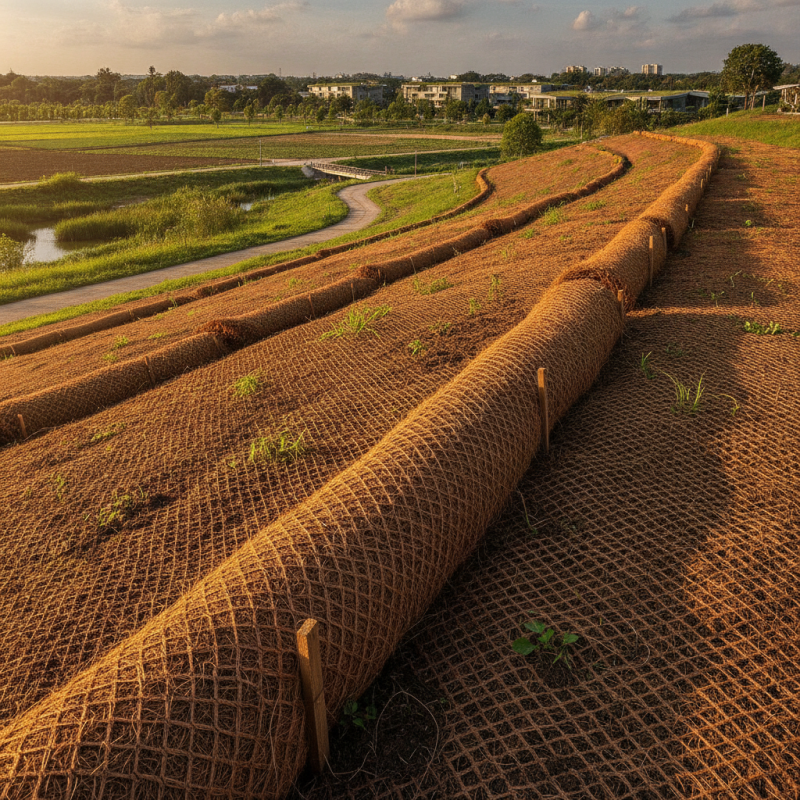
Benefits of Coir Geotextile in Soil Erosion Control
Coir geotextiles are natural fibers from coconut husks. They play a crucial role in soil erosion control. By stabilizing the soil, these materials reduce sediment run-off during heavy rains. This is essential for protecting waterways and improving soil health.
When used in landscaping and construction, coir geotextiles support vegetation growth. They retain moisture, allowing plants to thrive. Healthy plants help bind the soil together, further preventing erosion. Additionally, coir products are biodegradable. This means they contribute to long-term sustainability.
Despite their benefits, there are some challenges. Coir geotextiles may require careful installation. If not properly anchored, they can shift over time. Moreover, the availability of high-quality coir fibers can vary. It's important to assess local suppliers. Overall, coir geotextiles are effective for erosion control but require attention to detail.
Enhancing Water Management with Coir Geotextiles
Coir geotextiles are becoming essential for sustainable water management. These natural fibers, derived from coconut husks, provide excellent filtration and drainage properties. Studies indicate that coir geotextiles can reduce soil erosion by up to 70%, helping maintain soil structure and enhance water retention.
In a world increasingly affected by climate change, effective water management is crucial. Coir geotextiles are biodegradable and can last up to four years in soil. Their natural degradation supports the environment. The use of coir not only addresses erosion but also promotes plant growth by retaining moisture. This creates healthier ecosystems.
Tip: When selecting coir geotextiles, ensure they meet the necessary soil and climate conditions. Proper installation can maximize their benefits. Regular maintenance is key to effectiveness.
Users should consider the local climate when implementing coir solutions. In regions with high rainfall, additional care may be needed for optimal performance. Coir materials can be effective, but they are not a one-size-fits-all solution. Striking a balance between functionality and environmental impact is essential for long-term water management success.
Top 10 Benefits of Coir Geotextile for Sustainable Projects
This chart illustrates the top benefits of using coir geotextiles in sustainable projects, highlighting their efficacy in enhancing water management and other environmental advantages.
Coir Geotextiles: A Natural Alternative for Landscaping
Coir geotextiles are gaining attention as a natural solution for landscaping projects. Made from coconut husks, they are biodegradable and environmentally friendly. This characteristic aligns perfectly with sustainable practices. They help manage soil erosion and improve soil health, making them ideal for gardens and parks.
Using coir geotextiles means enhancing biodiversity. Native plants thrive better with their support. The natural fibers retain moisture, promoting healthy plant growth. However, not all projects might find coir suitable for their needs. Some areas may require stronger or longer-lasting materials.
In addition, coir geotextiles can support water retention but may differ in performance based on climate. Their effectiveness varies; too wet or dry conditions can impact benefits. Exploring local environmental conditions is essential for maximizing their potential. While they offer many advantages, it’s crucial to evaluate them thoughtfully in the context of each project.
Promoting Biodiversity through Coir Geotextile Applications
Coir geotextiles play a vital role in promoting biodiversity. These natural fibers come from coconut husks and are biodegradable. They help stabilize soil and prevent erosion, creating a healthier ecosystem. The use of coir in various projects supports plant growth. This fosters habitats for wildlife, enhancing local biodiversity significantly.
Implementing coir geotextiles contributes to water retention in the soil. This is crucial for sustaining vegetation in arid regions. When used in landscaping, coir encourages the growth of native plants. These species are better suited to local conditions and support native fauna. However, the effectiveness of coir depends on proper installation. Without careful attention, benefits can diminish.
Moreover, the integration of coir in construction reduces reliance on synthetic materials. This shift aligns with sustainable practices and promotes environmental health. Yet, some projects may overlook the importance of testing soil compatibility. Without this, coir could fail to provide the necessary support. There is much to learn from implementing coir geotextiles. The potential for improvement is vast, especially in crafting more sustainable solutions.
Cost-Effectiveness of Coir Geotextiles in Sustainable Projects
Coir geotextiles are increasingly recognized for their cost-effectiveness in sustainable projects. These natural fibers come from coconut husks, making them an eco-friendly choice. Their affordability makes them appealing for a variety of applications, from erosion control to landscaping.
Using coir geotextiles can significantly reduce project costs. They require less maintenance than traditional materials, ultimately saving both time and money. The longevity of coir also contributes to lower overall expenses. In addition, they are biodegradable, so there are no disposal costs after their useful life ends.
Tip: Always source coir from sustainable farms to ensure your materials support ethical practices.
Coir geotextiles also excel in water retention and soil stability. However, it's essential to ensure proper installation for maximum effectiveness. Improper use can lead to unexpected outcomes. Therefore, consider hiring professionals familiar with coir applications.
Tip: Keep an eye on local regulations regarding the use of natural materials in construction. Understanding these guidelines can prevent future compliance issues.