


Top 10 Benefits of Using CNC Milling Machines for Precision Manufacturing?
In today’s manufacturing landscape, the CNC milling machine stands as a pivotal tool for precision engineering. Industry reports reveal that CNC milling accounts for over 20% of all machining processes globally. This technology offers remarkable accuracy, significantly reducing the error margin in production. Precision is critical, as just a small deviation can lead to costly reworks.
The benefits of using CNC milling machines extend beyond mere precision. They enhance production efficiency. Research indicates that manufacturers experience up to a 30% increase in output when utilizing CNC milling technology compared to traditional methods. Additionally, the versatility of CNC milling allows for a wide range of materials to be machined, ensuring diverse applications across industries.
However, reliance on CNC technology does present challenges. High initial costs can be a barrier for small businesses. Training employees to operate these machines effectively is crucial but can be time-consuming. Balancing the benefits with these difficulties is essential for manufacturers looking to stay competitive. As industries evolve, the importance of maximizing the potential of CNC milling machines becomes more apparent.
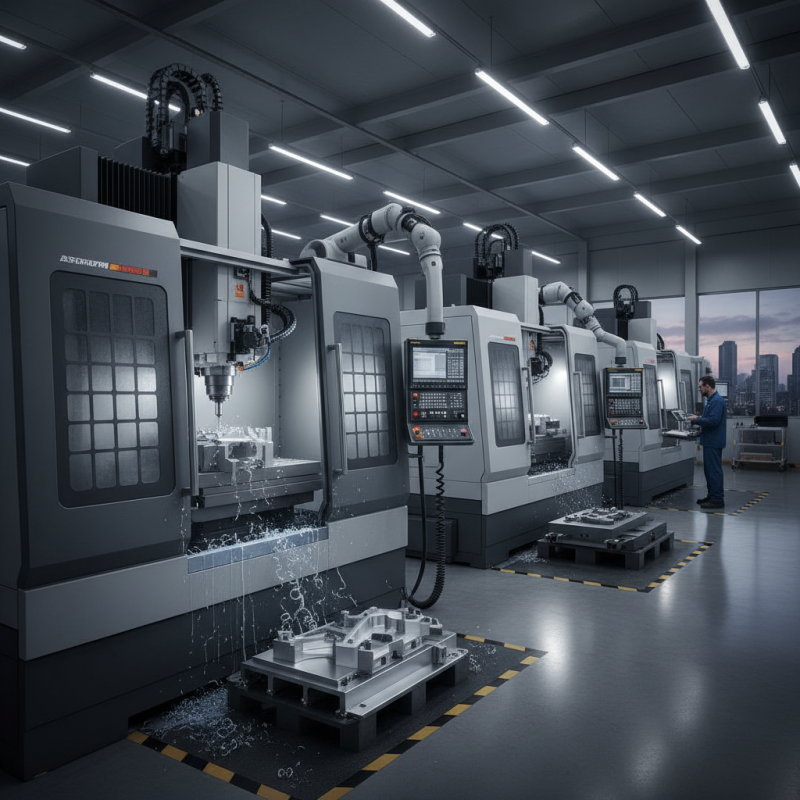
Benefits of Enhanced Precision in CNC Milling Machines
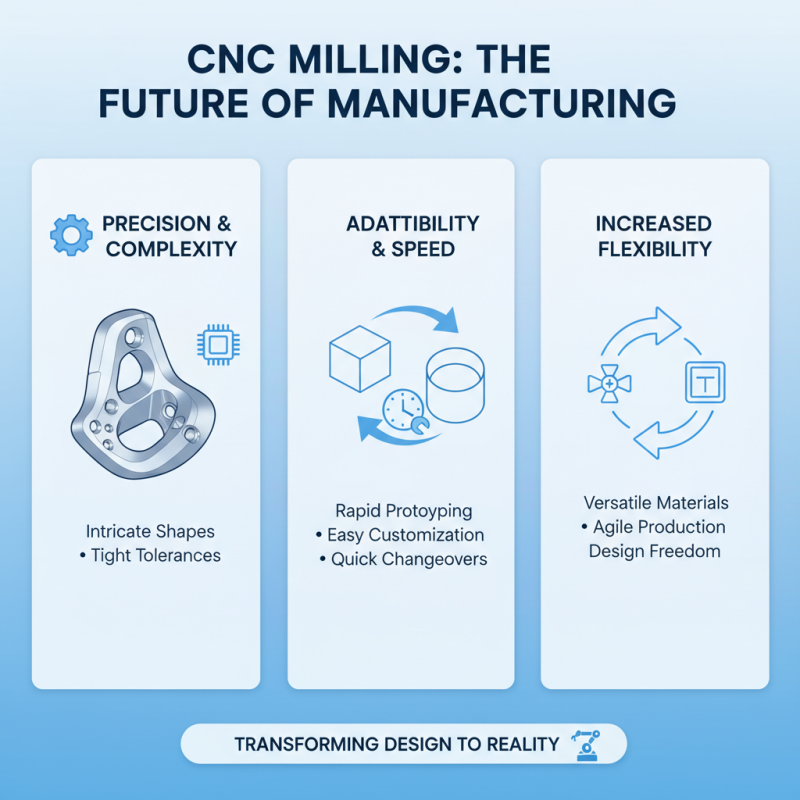
CNC milling machines are revolutionizing precision manufacturing. Enhanced precision is a primary benefit of these machines. In fact, studies show that CNC milling can achieve tolerances as tight as ±0.001 inches. This level of accuracy is crucial in industries like aerospace and medical devices, where precision is paramount.
Manufacturers seeking reliability often turn to CNC milling for intricate designs. The ability to produce complex geometries without compromising quality is significant. Moreover, a report by the International Journal of Advanced Manufacturing Technology indicates that CNC machining has improved productivity by 30% in many cases. However, not every operation utilizes CNC to its full potential. Mistakes can occur in programming, leading to costly errors.
Incorporating CNC technology minimizes human error, yet it’s not foolproof. Operators must be well-trained to handle this sophisticated equipment. Regular maintenance is also vital to sustain precision. Consistent calibration can prevent minor deviations that escalate into major issues. Ultimately, while CNC milling machines offer significant advantages, careful operation remains essential for optimal outcomes.
Top 10 Benefits of Using CNC Milling Machines for Precision Manufacturing
| Benefit | Description | Impact on Manufacturing |
|---|---|---|
| Enhanced Precision | CNC milling machines provide high precision cutting, allowing for intricate designs to be realized with minimal error. | Improved product quality and reduced waste during the manufacturing process. |
| Increased Efficiency | CNC machines operate continuously and can perform multiple tasks without the need for manual intervention. | Higher production rates and faster turnaround times for projects. |
| Consistent Output | Once programmed, CNC machines produce identical parts without variation. | Ensures uniformity in batches of products. |
| Versatility | CNC milling can work with a variety of materials including metals, plastics, and composites. | Allows for diverse product designs and application across various industries. |
| Reduced Labor Costs | Automation of processes reduces the need for manual labor. | Decreases overall manufacturing costs. |
| Ease of Design Modification | Designs can be altered easily through software without needing new tools. | Facilitates rapid prototyping and innovation. |
| Enhanced Safety | CNC machines minimize human interaction with dangerous processes. | Reduces the likelihood of workplace accidents. |
| Data Monitoring | CNC machines can track and analyze performance data for optimization. | Improves machine efficiency and reduces downtime. |
| Low Material Waste | Precision cutting minimizes excess material usage. | Promotes sustainability by reducing waste. |
| Long-term Cost Savings | Initial investment offsets by lower operational costs and increased productivity. | Increased profitability over time. |
Related Posts
-
Exploring the Impact of CNC Milling on Modern Manufacturing Techniques
-
Ultimate Guide to the Top Five Vertical CNC Machines Compared for Best Performance
-
Understanding Global Industry Standards for Best CNC Machining Precision Production
-
Exploring the Future of Best High Speed CNC Machining Innovations for 2025
-
Ultimate Comparison of the Top 5 CNC Vertical Machining Centers: Performance Metrics and ROI Analysis for Global Buyers
-
Ultimate Guide to Best 5 Axis CNC Milling Machine Comparison for International Buyers