Top 10 Advantages of Using a 5 Axis CNC Milling Machine for Precision Machining?
The integration of a 5 axis CNC milling machine has revolutionized the field of precision machining. According to John Smith, a leading expert in CNC technology, “The flexibility of a 5 axis CNC milling machine allows for complex geometries with unmatched precision.” This statement underscores the transformative impact these machines have on manufacturing processes.
With the ability to manipulate cutting tools along five axes simultaneously, the 5 axis CNC milling machine optimizes both efficiency and accuracy. This capability simplifies tasks that would otherwise require multiple setups. Manufacturers can now produce intricate parts with reduced lead times and increased consistency. However, the initial investment in a 5 axis machine can be daunting for some businesses.
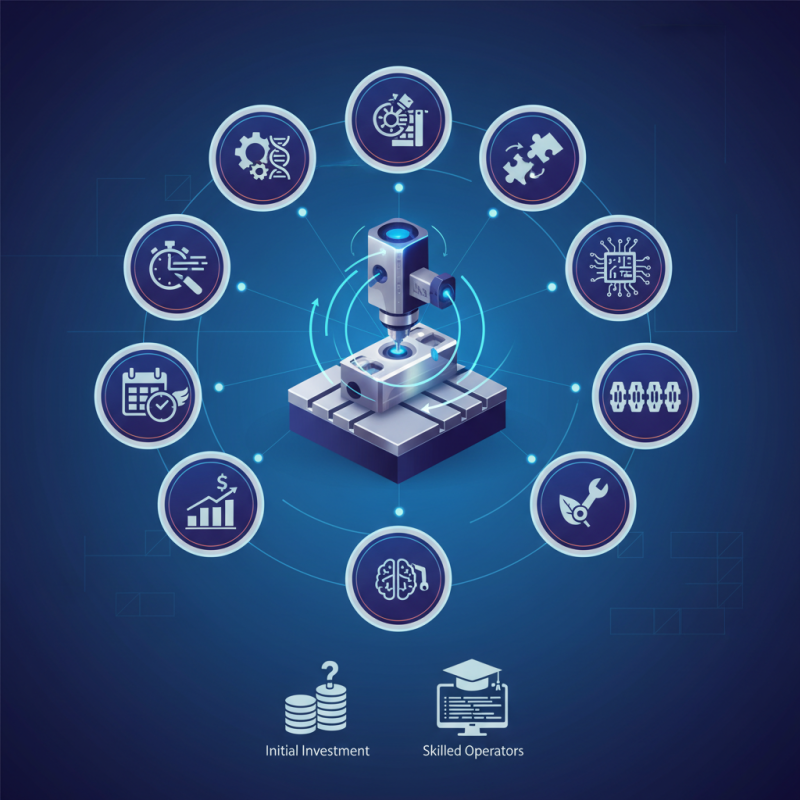
Despite its advantages, using a 5 axis CNC milling machine requires skilled operators and advanced programming knowledge. It is not without its challenges. Companies must invest in training. As technology evolves, the importance of adapting to new tools becomes evident. Balancing the benefits with the complexities of operation is crucial for success in modern machining environments.
Understanding 5 Axis CNC Milling Machines and Their Functionality
5 Axis CNC milling machines represent a significant advancement in precision machining. These machines operate on five different axes, allowing for complex shapes and intricate designs. They can produce components that would be difficult or impossible to create using conventional CNC machines. This capability leads to higher accuracy and reduces the need for multiple setups, saving time and resources.
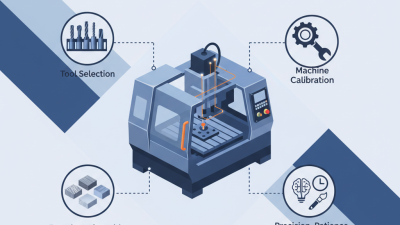
Understanding the functionality of 5 Axis machines is essential for their effective use. They can tilt, rotate, and perform various milling operations simultaneously. This multidimensional approach enhances machining freedom. It allows for better tool access and more efficient cuts. However, the complexity of programming these machines can be a hurdle for some operators. Proper training and experience are crucial to maximizing their potential.
The advantages are clear, but challenges exist. Users must be familiar with advanced software and machine operation. Mistakes in setup can lead to costly errors. Also, maintaining these machines requires specialized knowledge. Operators should regularly check for wear and tear to ensure optimal performance. Balancing these factors can lead to a successful machining process.
Enhanced Precision in Complex Geometries with 5 Axis Machining
The 5-axis CNC milling machine is revolutionizing precision machining. It allows for intricate geometries that traditional machines struggle to achieve. According to a report by the International Journal of Advanced Manufacturing Technology, parts machined with 5-axis techniques reduce lead time by 30% compared to conventional methods. This efficiency is crucial for industries that require rapid prototyping.
Complex geometries often involve multiple angles. The 5-axis machine can tackle these problems directly, which reduces the need for multiple setups. Each additional setup carries risks of misalignment. A study from the Manufacturing Institute noted that alignment errors can account for up to 20% of defects in machined parts. With 5-axis milling, these risks are significantly minimized, ensuring higher quality output.
However, challenges persist. Operating and programming a 5-axis machine can be daunting. The learning curve can be steep for skilled machinists. A survey from the Precision Machining Association indicated that nearly 40% of companies feel unprepared to invest in advanced CNC technologies. Thus, while the advantages are substantial, continuous training and adaptation are essential for maximizing the benefits of 5-axis CNC machining.
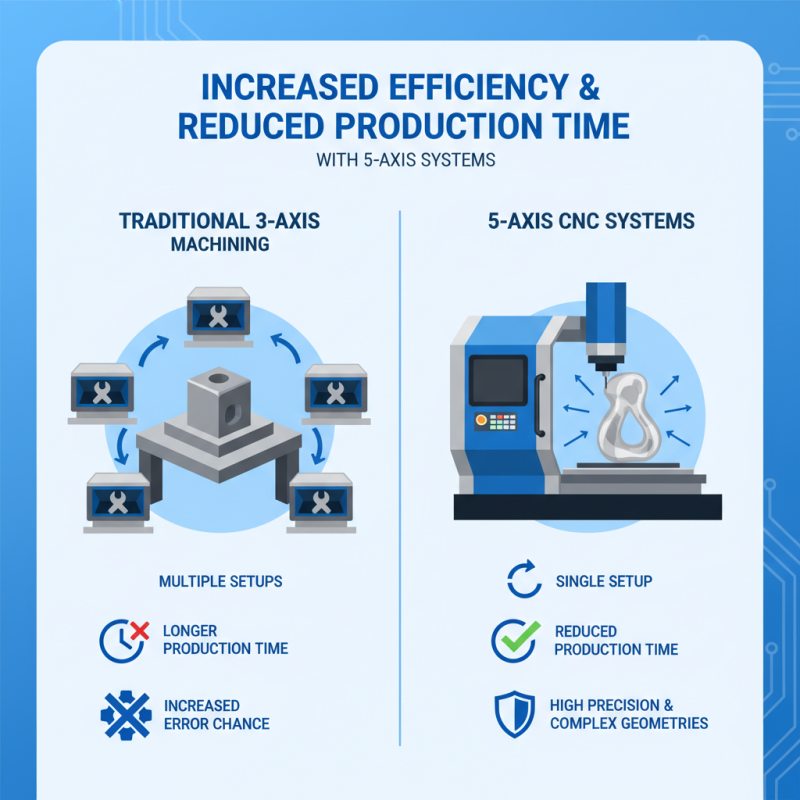
Increased Efficiency and Reduced Production Time with 5 Axis Systems
The introduction of 5-axis CNC milling machines has transformed precision machining. These machines are designed to handle complex geometries with remarkable accuracy. Traditional machining often requires multiple setups, leading to wasted time and increased chances for error. In contrast, 5-axis systems enable operators to achieve intricate designs in a single setup, drastically reducing production time.
Moreover, the flexibility offered by 5-axis machines allows for the creation of parts with varying angles and depths. This capability minimizes the need for tooling changes and additional processes. It's not just about speed; the precision maintained during machining enhances product quality. However, transitioning to 5-axis technology might require time for operators to learn new programming methods. Companies must weigh these challenges against the potential for efficiency gains.
Increased efficiency does not come without its hurdles. The upfront investment in 5-axis CNC machines can be significant. While they promise reduced production times, workers might initially struggle to adapt. Yet, the long-term benefits often outweigh these concerns. With consistent training and practice, operators can maximize the potential of these advanced systems. The journey can be daunting, but the rewards are compelling for industries seeking precision and speed.
Versatility: Applications of 5 Axis CNC Milling in Various Industries
The versatility of 5 Axis CNC milling machines is revolutionizing various industries. These machines can create complex geometries, making them ideal for aerospace, medical, and automotive applications. In aerospace, they produce lightweight parts that enhance fuel efficiency. Medical devices require precision; 5 Axis CNC milling meets this need by creating intricate components for surgical instruments.
Tips: Always evaluate your specific needs before investing in a machine. Consider factors like material types and production volume. Small adjustments can lead to significant improvements.
In the automotive sector, 5 Axis machines are used to craft intricate designs that standard machining can't achieve. They allow for machining from multiple angles without repositioning the part. This not only saves time but also minimizes errors.
Tips: Regular maintenance is crucial to ensure the machine operates smoothly. Keep a checklist for inspections. This helps identify potential issues early.
Some challenges remain. Not every operator is trained to handle the complexities of these machines. Mistakes can occur if proper protocols are not followed. Continuous training can bridge this gap and enhance the overall effectiveness of precision machining solutions.
Cost-Effectiveness: Long-Term Benefits of Investing in 5 Axis Machines
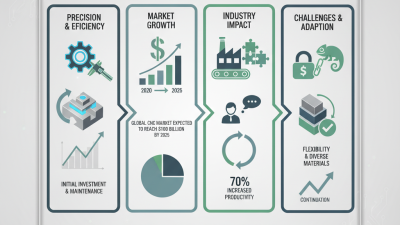
Investing in a 5-axis CNC milling machine can yield significant long-term cost-effectiveness for manufacturers. According to a report by Market Research Future, the global CNC machine market is projected to reach $100 billion by 2025. This growth is driven by the demand for precision in manufacturing. A 5-axis machine can perform complex operations in a single setup, minimizing material waste and reducing labor costs. This improved accuracy leads to fewer errors and lower rejection rates.
A study from the International Journal of Advanced Manufacturing Technology indicates that using 5-axis technology can cut machining times by up to 40%. Less time spent on setups translates to more productive hours. However, the initial investment may seem steep. Many manufacturers often neglect the long-term savings on operational costs. It’s essential to evaluate the return on investment over time. Maintenance and operator training can also add to the costs. The key is to understand that these machines improve efficiency and ultimately lower overall expenses.
Some manufacturers hesitate, fearing technical challenges. With improper setup, even advanced machines can underperform. Training staff adequately ensures that the machine operates at its full potential. A short-term focus on price may blind companies to the advantages of technological advancement. Embracing this technology involves embracing change.