2026 Top BOV Aerosol Cans Filling Machine Manufacturers
Choosing a reliable Bov Aerosol Cans Filling Machine manufacturer requires more than comparing prices or production speed. This equipment must handle product dosing, bag-on-valve assembly, crimping, leak testing, and final inspection with consistent control. Small errors can create visible defects, unstable pressure, or costly batch delays. This guide examines leading manufacturers for 2026 through practical engineering criteria and verified industry capabilities.
Experienced suppliers usually provide complete filling lines, not isolated machines. Their systems may include can indexing, vacuum testing, valve placement, crimping stations, filling pumps, and automated weight checks. Strong manufacturers also document material compatibility, cleaning procedures, changeover time, and maintenance access. These details matter on a factory floor, where operators work around hoses, stainless-steel surfaces, sensors, and tightly spaced conveyors.
Performance claims need careful review.
A reputable manufacturer should explain testing methods, output conditions, tolerances, and applicable safety standards. Certifications can support trust, but they do not replace factory acceptance testing or reference checks. Buyers should request videos of comparable installations and confirm after-sales response times. Regional service coverage also affects long-term reliability.
This ranking cannot remove every purchasing risk. Product viscosity, container size, valve design, and local regulations may change the final choice. Some published specifications may reflect ideal conditions rather than everyday production. That limitation deserves attention. A well-designed comparison should therefore balance technical evidence, operator experience, customization ability, spare-parts support, and transparent communication. The best manufacturer is not always the largest. It is the supplier that consistently delivers safe, maintainable, and measurable results.
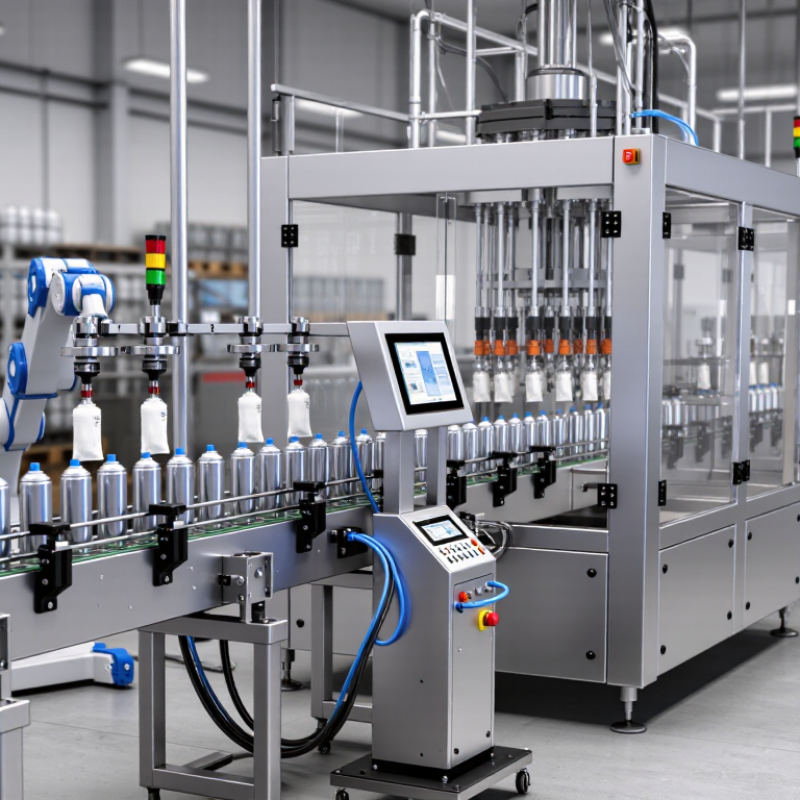
BOV Aerosol Technology: Bag-in-Valve Design, 6–8 Bar Air, and 30–60 Cans/Min
2026 Top BOV Aerosol Cans Filling Machine Manufacturers
In 2026, leading BOV aerosol machine manufacturers will focus on stable filling, safe pressure control, and practical maintenance. Their systems should support bag-in-valve designs without damaging the inner pouch or valve seal. Compressed air commonly operates between 6 and 8 bar. Pressure must remain consistent throughout each filling cycle. Small errors matter.
A reliable filling line can achieve 30–60 cans per minute under suitable conditions. This range depends on can size, product viscosity, valve type, and operator experience. Higher speed is not always better. Accurate dosing, clean air, and steady crimping protect product quality. Operators should verify fill weight at regular intervals. The valve crimping station also needs careful adjustment, because loose or excessive crimping can cause leaks.
Experienced manufacturers should provide factory testing, operating records, and clear training materials. They should explain air consumption, changeover time, cleaning procedures, and spare-part requirements. Ask for performance tests using cans and valves similar to your own production format. A quoted speed may look impressive, but it can change during real production. Initial tuning often takes longer than expected. That is a useful warning. Safety guards, pressure relief systems, and emergency stops should be checked before installation. No machine is perfect. Reliable results come from sound engineering, disciplined operation, and continuous inspection.
Top BOV Aerosol Can Filling Machine Manufacturers and Their Core Technologies
In 2026, leading BOV aerosol can filling machine manufacturers are judged by engineering depth, not catalogue size. Strong suppliers design complete lines for bag-on-valve products. These lines cover can feeding, valve placement, crimping, propellant charging, and leak testing. Their core technology separates product and propellant during filling. This protects formulation quality and supports consistent dispensing.
Experienced manufacturers use servo-driven dosing pumps, pressure sensors, and recipe-based controls. These systems manage fill volume with fine repeatability, even when viscosity changes slightly. Clean-in-place designs reduce residue around product pathways. Stainless steel contact parts simplify inspection and maintenance. Reliable machines record pressure, torque, temperature, and reject data. Operators can trace a weak crimp or underfilled pouch before it becomes a costly batch problem. Safety interlocks matter too. Guards, emergency stops, and verified pressure limits should be built into the equipment.
Credible manufacturers prove performance through factory trials with the customer’s container, valve, and formulation. They share test methods, maintenance intervals, and realistic output figures. Ask for those records. Marketing numbers may exclude changeover time or rejected cans. A practical supplier also trains operators and provides clear spare-parts guidance. No machine is perfect. Seal wear, sensor drift, and difficult cleaning still deserve attention. Buyers should challenge vague claims and inspect the line under production-like conditions.
2026 Top BOV Aerosol Can Filling Machine Manufacturers: Core Technology Landscape
Representative nominal BOV aerosol can fill volumes commonly supported by industrial packaging lines
BOV aerosol systems separate the product from the propellant by placing the formulation inside a bag or pouch. Common machine capabilities include product dosing, valve insertion and crimping, propellant charging, leak testing, and pressure control. The volume figures represent common nominal aerosol package formats rather than company-specific performance claims.
Safety and Compliance: Pressure Testing, UN 1950, and ISO 9001 Manufacturing
For 2026 BOV aerosol can filling machine manufacturers, safety begins with controlled pressure testing. Each filled can should face a defined test method, stable water temperature, and calibrated gauges. Operators must check valve seating, seams, crimp depth, and visible deformation. Small leaks matter.
A reliable production line records pressure results by batch, operator, and machine setting. Testing should reflect the container specification, filling medium, and applicable regional requirements. UN 1950 identifies aerosol articles for transport classification, but it does not replace local dangerous-goods rules. Labels, packaging, documentation, and worker training still require careful review. Never treat a transport code as a complete safety approval.
ISO 9001 manufacturing adds structure to these controls. Manufacturers should maintain supplier records, inspection plans, calibration dates, traceability, and corrective-action reports. A tidy certificate file is not enough. The real test appears when a gauge drifts, a valve lot changes, or a rejected can reaches investigation. Design reviews and routine audits should expose weak points before shipment. One practical weakness is overreliance on automatic alarms; operators still need clear procedures and authority to stop the line. ISO 9001 supports consistent management, yet it does not independently certify every machine or guarantee every filled container. Safety depends on verified engineering, disciplined records, and honest review of mistakes.
Machine Selection Guide: Comparing Output, Container Sizes, and Lifecycle Costs
Choosing among top BOV aerosol can filling machine manufacturers in 2026 requires more than comparing advertised speed. A 30-can-per-minute line may outperform a 60-can-per-minute model when changeovers, cleaning, and stoppages are included. FEA industry data recorded more than five billion aerosol units in Europe during 2023, showing the scale of demand. Yet volume alone should not decide the purchase.
Container range matters. Confirm whether the machine handles 50, 100, 200, or 500 millilitre cans without extensive tooling changes. Ask for documented results using your actual valve, bag, formulation, and fill weight. PMMI reports that labor availability continues to encourage packaging automation. That makes recipe storage, automatic dosing, and fault diagnostics valuable. Keep operators involved, though. Over-automation can hide small filling errors until many cans are affected.
Lifecycle cost deserves a spreadsheet. Include product loss, compressed air, electricity, spare valves, seal replacement, training, and planned downtime. The U.S. Department of Energy estimates compressed air can consume 10–30% of industrial facility electricity. Efficient air preparation and leak monitoring therefore influence payback. Request factory acceptance tests, guaranteed output, and service response terms. A higher purchase price may be sensible. Sometimes it is not. The uncomfortable truth is that many comparisons use ideal laboratory speed, not a dusty production floor with frequent format changes. Research should include at least three years of maintenance records and verified customer references.
2026 Top BOV Aerosol Cans Filling Machine Manufacturers - Machine Selection Guide: Comparing Output, Container Sizes, and Lifecycle Costs
| Anonymized Manufacturer Profile | Typical BOV Configuration | Rated Output
(cans/min) | Recommended Container Diameter
(mm) | Recommended Container Height
(mm) | Typical Fill Accuracy
(% of target) | Format Changeover
(minutes) | Suitable Propellant / Product Types | Estimated 10-Year Lifecycle Cost
(USD) | Best-Fit Production Environment |
| Manufacturer Profile 1 | Intermittent rotary BOV filler | 30–45 | 35–65 | 80–300 | ±1.0% | 20–35 | Water-based liquids, creams, foams, and low-to-medium-viscosity products | $520,000–$690,000 | Small and medium batch production |
| Manufacturer Profile 2 | Eight-station rotary BOV filler | 45–70 | 35–70 | 90–310 | ±0.75% | 18–30 | Personal-care products, medical liquids, sauces, and household formulations | $650,000–$850,000 | Flexible multi-format manufacturing |
| Manufacturer Profile 3 | Continuous rotary BOV filler | 70–100 | 35–65 | 80–280 | ±0.60% | 25–40 | Low-viscosity products, foams, gels, and personal-care formulations | $880,000–$1,150,000 | High-volume, repeat-format production |
| Manufacturer Profile 4 | High-speed rotary BOV filler with servo dosing | 90–120 | 35–70 | 90–320 | ±0.50% | 30–45 | Water-based, alcohol-based, cosmetic, pharmaceutical, and food-grade products | $1,100,000–$1,450,000 | Large-scale contract and consumer-goods manufacturing |
| Manufacturer Profile 5 | Servo-controlled monoblock BOV line | 60–90 | 35–65 | 80–300 | ±0.50–0.75% | 15–25 | Aerosolized liquids, creams, gels, and temperature-sensitive products | $930,000–$1,250,000 | Frequent product and container changeovers |
| Manufacturer Profile 6 | Compact automatic BOV filler | 20–35 | 35–65 | 80–250 | ±1.0–1.5% | 15–25 | General consumer, cosmetic, cleaning, and pilot-scale products | $380,000–$540,000 | Start-ups, laboratories, and pilot production |
Benchmark notes: Output values are typical operating ranges for automatic bag-on-valve aerosol filling systems and depend on product viscosity, fill volume, container geometry, valve design, and line integration. Estimated 10-year lifecycle cost includes equipment purchase, commissioning, routine maintenance, utilities, tooling, wear parts, and operator training; it excludes building costs, product materials, taxes, and financing. Final specifications should be confirmed through a factory acceptance test using the intended product and containers.