
Menü öffnen Menü schließen

2026 Best Thermal Break Windows for Global Buyers

Choosing the 2026 best Thermal Break windows requires more than comparing frame prices or glass thickness. Global buyers must examine thermal performance, air tightness, drainage, hardware quality, and installation support. A window can look excellent in a catalog yet perform poorly beside an uninsulated concrete opening.

Dr. Joseph Lstiburek, a respected building-science expert, has said, “A building enclosure is a system.” That principle matters here. A Thermal Break frame works with glazing, seals, anchors, wall insulation, and local installation methods. Ignoring one part can create cold edges, interior condensation, or uncomfortable rooms. Small details matter.

This guide evaluates window options for different climates, project types, and purchasing conditions. It considers aluminum systems with polyamide barriers, tested U-values, solar heat gain, acoustic performance, durability, and certification evidence. Buyers should request complete test reports, not only attractive marketing claims. Regional standards also differ, so a product approved in one market may need further verification elsewhere.

No window is perfect. Trade-offs remain.

A highly insulated frame may cost more. A large glass area may improve daylight but increase solar heat gain. Installation quality can also weaken an otherwise advanced system. These realities deserve honest attention. The strongest choice balances measured performance, climate suitability, long-term maintenance, and dependable supplier communication. With those factors in view, global buyers can compare Thermal Break windows more carefully and avoid decisions based on appearance alone.
2026 Best Thermal Break Windows for Global Buyers

What Thermal Break Windows Are and How They Reduce Heat Transfer

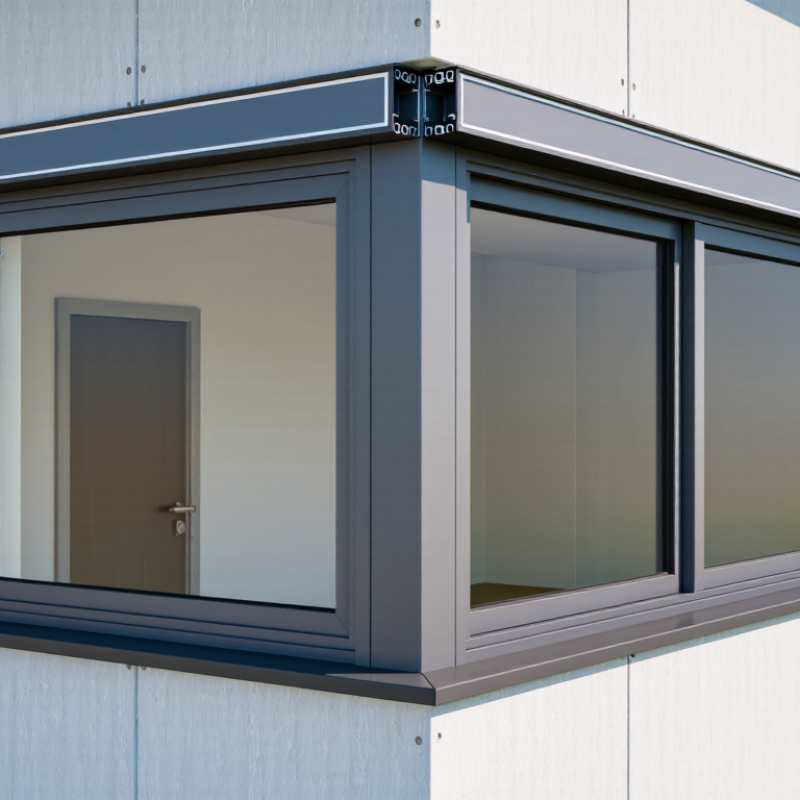
Thermal break windows use a low-conductivity barrier between the interior and exterior sections of a metal frame. This separator, often made from reinforced polyamide, interrupts the direct path for heat. Without it, aluminum can conduct outdoor heat inward during summer and pull indoor warmth outside during winter. The frame becomes a thermal bridge.

The difference is visible on a cold morning. A well-designed frame should feel less chilled, and the interior sill may show fewer condensation droplets. However, thermal performance depends on more than the separator. Low-emissivity glazing, warm-edge spacers, airtight seals, and correct installation also matter. A narrow gap around the frame can undermine expensive materials.

From a specification standpoint, buyers should review whole-window U-values, air leakage results, water resistance, and tested performance under recognized standards. Center-glass data alone can mislead. Ask for the complete test report.

Small details matter.

In real projects, installers must keep drainage paths clear and insulate the perimeter joint properly. Poor alignment can cause drafts even when the window design is strong. The phrase “thermal break” can sound more powerful than it is. It does not stop heat transfer completely; it reduces it. Frame depth, glass area, climate, orientation, and shading still affect results. A careful comparison should consider these conditions instead of relying on a single marketing figure.

Key Materials and Design Features of Thermal Break Window Systems

2026 Best Thermal Break Windows for Global Buyers

Thermal break windows combine structural metal with low-conductivity insulation. Aluminum provides strength, while reinforced polyamide strips interrupt heat flow. These strips must connect continuously around the frame. A small gap can create a cold bridge.

In projects I have reviewed, frame material alone never determines performance. Low-emissivity glass, argon filling, and warm-edge spacers strongly influence indoor comfort. Double glazing suits moderate climates, while triple glazing can reduce heat loss in colder regions. However, heavier glass demands stronger hinges and better frame reinforcement. That trade-off is easy to overlook.

Sealing design matters.

Look for multiple compression gaskets, precise corner joints, and protected drainage channels. EPDM or comparable weather seals should remain flexible through seasonal temperature changes. Tilt-and-turn hardware can improve ventilation without fully opening the sash. For coastal sites, buyers should verify corrosion resistance and fastener compatibility. Salt exposure is unforgiving.

Thermal data should cover the complete window, not only the center glass. Ask for independently tested U-values, air leakage, water tightness, and wind resistance. Local installation quality can still weaken excellent factory performance. Uneven shims, excessive foam, or poor sill flashing may cause drafts and moisture. Site inspections remain necessary. No system is perfect.

2026 Best Thermal Break Windows for Global Buyers - Key Materials and Design Features of Thermal Break Window Systems

Window System Type Primary Frame Materials Thermal Break / Insulation Design Typical Frame Depth Typical Frame Uf Typical Whole-Window Uw Recommended Glazing Best-Fit Applications
Thermally Broken Aluminum Aluminum alloy exterior and interior profiles Polyamide insulating strips, often reinforced with glass fiber; isolated drainage and pressure-equalized chambers 65–90 mm Approximately 1.3–2.2 W/m²K Approximately 1.0–1.8 W/m²K Double or triple insulating glass; low-E coating and argon filling High-rise buildings, commercial façades, large openings, and warm or mixed climates
High-Performance Thermally Broken Aluminum Aluminum alloy with deep multi-chamber profiles Wider polyamide thermal barriers, insulated glazing pockets, foam inserts, and reduced metal bypass paths 90–120 mm Approximately 0.9–1.5 W/m²K Approximately 0.75–1.3 W/m²K Triple insulating glass, low-E coatings, argon or krypton filling, warm-edge spacer Cold climates, passive-house-oriented projects, and energy-efficient façades
Multi-Chamber uPVC Unplasticized polyvinyl chloride profiles with galvanized steel or composite reinforcement Five- to seven-chamber profile geometry, sealed air cavities, and insulated glazing rebate 70–88 mm Approximately 0.9–1.4 W/m²K Approximately 0.75–1.3 W/m²K Double or triple insulating glass with low-E coating and argon filling Residential buildings, apartments, renovation projects, and cold or temperate climates
Timber-Aluminum Composite Engineered timber interior with weather-protective aluminum exterior cladding Timber insulation core, ventilated exterior cavity, separated aluminum shell, and insulated glazing pocket 78–110 mm Approximately 0.8–1.3 W/m²K Approximately 0.65–1.1 W/m²K Triple glazing with low-E coatings, argon filling, and warm-edge spacer Premium residential projects, low-energy buildings, and cold climates
Thermally Improved Steel Galvanized or coated steel profiles with insulated internal sections Polyamide or composite thermal separators, insulated hollow sections, and continuous perimeter gaskets 45–75 mm Approximately 1.8–3.0 W/m²K Approximately 1.3–2.2 W/m²K Double insulating glass; low-E coating recommended for improved performance Slim-profile façades, heritage-style projects, retail spaces, and moderate climates
Fiberglass / Composite Frame Glass-fiber-reinforced polymer or pultruded composite profiles Low-conductivity structural profile with hollow or foam-enhanced sections and insulated glazing rebate 70–90 mm Approximately 0.8–1.3 W/m²K Approximately 0.7–1.2 W/m²K Double or triple insulating glass with low-E coatings Residential construction, coastal regions, cold climates, and low-maintenance applications
Key specification notes: U-values are typical indicative ranges for complete systems and may vary with profile geometry, window size, opening configuration, glazing specification, spacer type, reinforcement, and installation quality. Lower U-values indicate better thermal insulation. For international comparison, verify results using the applicable local calculation and testing methods, such as ISO 10077, EN 14351-1, NFRC procedures, or the relevant national standard.
Recommended Thermal Break:
Polyamide strips reinforced with glass fiber, continuous insulation, and minimized metal bridging.
Recommended Glazing:
Low-E insulating glass with argon filling, warm-edge spacers, and correctly selected solar-control performance.
Critical Design Features:
Three continuous gaskets, insulated glazing pockets, thermal drainage design, airtight joints, and reinforced corner connections.

How to Compare Thermal Performance, Glazing, Frames, and Seals

Choosing the best thermal break windows starts with comparable numbers, not attractive brochures.
The U.S. Department of Energy reports that windows can cause 25–30% of residential heating and cooling energy use. Compare whole-window U-factor, not only center-of-glass performance. Lower U-factor means better insulation. NFRC guidance also separates U-factor, solar heat gain coefficient, visible transmittance, and air leakage. These values describe different risks.

Glazing changes performance quickly. Double glazing with a low-emissivity coating and argon often outperforms ordinary double glazing. Triple glazing can reduce heat transfer further, but it adds weight, cost, and installation demands.

A cold-climate project may prefer a lower U-factor, while a hot, sunny building may need a lower SHGC. The International Energy Agency reported that buildings consumed about 30% of global final energy in 2022, so small envelope decisions deserve serious attention.

Frames matter too. Thermal-break aluminum should show a continuous polyamide barrier, not scattered insulating pieces. Ask for Uf, Uw, spacer type, and tested air leakage. Seals should remain flexible after repeated temperature changes; poor corner welding can create a cold draft beside the frame.

On site, a 1.4 W/m²K window can perform worse if the perimeter gap is badly sealed. That is the uncomfortable part: laboratory ratings are not field results. Ratings also vary with reference size and climate assumptions.

I would compare certified test reports, installation drawings, and warranty terms together, then inspect one installed sample before ordering globally.

Best Thermal Break Window Types for Different Global Climates

2026 Best Thermal Break Windows for Global Buyers

Climate should guide the window choice, not fashion. In cold regions, thermally broken frames with triple glazing, low-emissivity coatings, and warm-edge spacers reduce indoor heat loss. The International Energy Agency reports that buildings consume about 30% of global final energy, making envelope performance a serious design decision. In hot, humid climates, double glazing with solar-control low-e glass can limit radiant heat while preserving daylight. Thermal breaks also reduce condensation risks on metal frames.

Dry, sunny regions need a different balance. A thermally broken aluminum frame, moderate solar-control glazing, and external shading may outperform darker glass alone. In mixed climates, dual low-e coatings and carefully selected air spaces offer seasonal flexibility. U-values, solar heat gain coefficient, and visible transmittance should be reviewed together. One number can mislead.

Tips: Ask suppliers for tested whole-window U-values, not frame-only figures. Check results against ISO 10077 or local calculation standards. Confirm condensation resistance for bathrooms, kitchens, and coastal façades. The U.S. Department of Energy recommends low-e glazing for reducing heat transfer, but installation quality still matters. A perfectly specified window can fail beside a poorly sealed reveal. I have seen drawings promise efficiency while the site joints remained uneven. That gap deserves more attention.

Installation, Standards, Maintenance, and Buying Considerations for 2026

2026 Best Thermal Break Windows for Global Buyers

Installation, Standards, Maintenance, and Buying Considerations for 2026

Thermal break windows use an insulating barrier between interior and exterior metal sections. This reduces heat transfer, condensation, and uncomfortable cold edges. During installation, the frame must sit square and level. A small twist can cause uneven seals, difficult locking, and early water leakage. Installers should check the wall opening, drainage path, insulation gap, and fastener spacing before sealing. Local climate matters too. Coastal projects may need stronger corrosion protection, while cold regions require careful air-sealing around the frame.

Tips: Request tested U-values, air leakage, water resistance, and wind-load data. Compare the same test methods, not only attractive numbers. Look for documentation aligned with relevant ISO, EN, ASTM, or national standards. Requirements differ by country, so local approval remains essential. Ask for installation drawings and maintenance instructions in the project language.

Maintenance is simple but not optional. Clean tracks and drainage holes twice yearly. Inspect gaskets for flattening, cracks, or loose corners. Replace damaged seals before winter or the rainy season. Avoid abrasive cleaners, harsh solvents, and improvised drilling. I have seen excellent frames perform poorly because installers blocked the drainage route. That mistake is easy to miss. Buyers should also verify glass specification, hardware durability, warranty coverage, spare-part access, and installer experience. The lowest purchase price may hide higher energy, repair, and replacement costs. A careful site review often reveals assumptions worth challenging.

Article Source: