


2026 Best Carton Sealers for Global Buyers?
Choosing the right Carton Sealers in 2026 is no longer a simple price comparison. Global buyers must examine carton sizes, sealing speed, tape performance, power requirements, and after-sales support. A machine that performs well in a quiet test room may struggle beside a dusty conveyor. Real factories are less forgiving.
Jim Pittas, President and CEO of PMMI, has emphasized that packaging automation should create “value, efficiency, and reliability.” That principle guides this review. The best carton sealing equipment should close boxes consistently, reduce manual handling, and fit existing production lines without unnecessary complexity. Operators also need clear controls, accessible changeover points, and practical guarding. Small details matter.
This guide compares leading Carton Sealers for different industries, packaging volumes, and regional buying conditions. It considers semi-automatic and fully automatic designs, random carton sealing, drive-belt construction, adhesive compatibility, noise, maintenance access, and total ownership cost. Energy use and spare-parts availability also deserve attention. A low purchase price can become expensive when belts, motors, or technical support are difficult to obtain.
Still, no ranking is perfect. Factory layout, carton quality, labor skills, and local service can change the result. Buyers should test their own cartons before committing. That step is often skipped. It should not be. The following overview aims to provide practical direction, while leaving room for careful verification, supplier discussions, and real production trials.
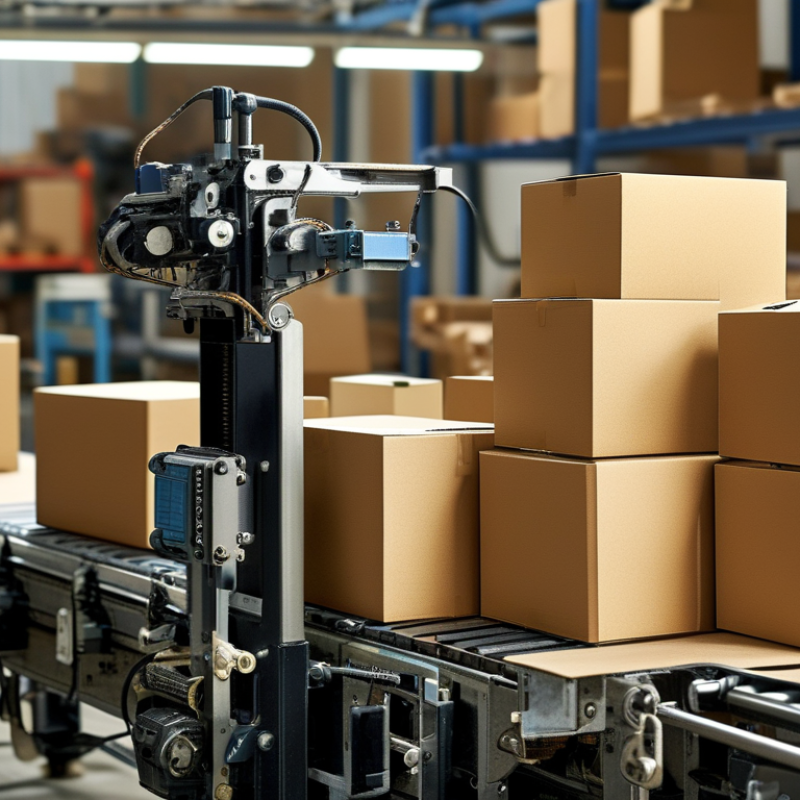
What Carton Sealers Are and How They Work
A carton sealer is a packaging machine that closes filled boxes with pressure-sensitive tape, hot-melt adhesive, or both. In daily warehouse use, it turns an open carton into a transport-ready package. That sounds simple. Yet sealing quality depends on box size, flap alignment, tape tension, and the operator’s setup. These details matter.
Most machines guide cartons through side belts or a conveyor. A sensor detects the carton’s position and starts the sealing cycle. The top flaps fold inward, usually through rails or folding plates. Then, a tape head applies tape across the center seam. Rollers press the tape firmly against the cardboard. Some models adjust automatically, but not perfectly. If a carton is dusty or overfilled, the tape may lift at the corners. Real warehouses expose this weakness quickly.
For global buyers, practical evaluation should include carton dimensions, line speed, electrical requirements, noise, and available maintenance support. A useful test runs small, large, light, and heavily filled boxes. Watch the flap edges, tape placement, and rejected cartons. A machine can be fast and still be wrong for a mixed-carton line. I would not treat a specification sheet as proof. Operators should also check access to blades, rollers, sensors, and spare parts. Small adjustments often improve sealing, though they can require patience.
2026 Best Carton Sealers for Global Buyers? – What Carton Sealers Are and How They Work
| Carton Sealer Type | How It Works | Typical Throughput | Carton Format | Closure Material | Typical Power Requirement | Best Fit for Global Buyers |
|---|---|---|---|---|---|---|
| Manual Handheld Sealer | The operator closes the top flaps and applies pressure-sensitive tape with a handheld or bench-mounted tool. | Approximately 5–10 cartons per minute, depending on the operator and carton design. | Mixed carton sizes; usually requires manual adjustment. | Pressure-sensitive BOPP, PVC, or paper tape; commonly 48–75 mm wide. | None for manual tools; low-voltage power may be used for powered models. | Small operations, low-volume packing, remote locations, and flexible production. |
| Semi-Automatic Uniform Case Sealer | The operator places and squares the carton. Powered side belts convey it while upper and lower tape heads seal the center seam. | Approximately 10–20 cartons per minute. | One carton size or a narrow range of similar cartons; manual height and width adjustment is common. | Pressure-sensitive tape, typically 48–75 mm wide. | Usually about 0.2–0.6 kW; voltage may be configured for 110/120 V or 220–240 V, 50/60 Hz. | Warehouses with stable carton dimensions and moderate packing volumes. |
| Semi-Automatic Random Case Sealer | Sensors detect carton height and width, then automatically position the side belts and sealing heads for varying box sizes. | Approximately 8–15 cartons per minute, depending on size variation and operator loading. | Multiple carton sizes within the machine’s specified adjustment range. | Pressure-sensitive tape, commonly 48–75 mm wide. | Usually about 0.3–0.8 kW; exact requirements depend on conveyor length and controls. | E-commerce, third-party logistics, and distribution centers handling mixed carton sizes. |
| Automatic Uniform Case Sealer | Cartons enter through a powered conveyor. Flap folders close the top flaps, and tape heads seal the top and bottom seams automatically. | Approximately 15–30 cartons per minute. | Consistent carton dimensions; changeover is normally required for different sizes. | Pressure-sensitive tape, normally 48–75 mm wide. | Usually about 0.5–1.5 kW, depending on conveyor and folding equipment. | Manufacturing lines with repeatable carton specifications and higher daily output. |
| Automatic Random Case Sealer | Photoelectric sensors identify each carton’s dimensions. Motorized adjustments position the belts, flap-folding system, and tape heads automatically. | Approximately 15–30 cartons per minute, subject to carton size and spacing. | A defined range of mixed carton sizes without manual changeover. | Pressure-sensitive tape, commonly 48–75 mm wide. | Usually about 0.8–2.0 kW; systems with more automation may require additional power. | High-mix fulfillment, export packing, parcel distribution, and automated conveyor systems. |
| Hot-Melt Glue Case Sealer | A heated applicator melts adhesive and applies it to the flaps. Compression rollers or belts hold the flaps closed while the adhesive sets. | Approximately 10–30 cartons per minute. | Uniform or controlled carton sizes; automatic versions can handle a specified size range. | Thermoplastic hot-melt adhesive, commonly supplied as pellets, pillows, or blocks. | Usually about 1–3 kW because the adhesive tank and nozzle require heating. | Applications requiring a tape-free appearance, strong bonding, or resistance to tape-related contamination. |
| Side-Belt Carton Sealer | Two powered belts grip the carton sides and move it through the machine while the sealing heads apply tape to the top and bottom seams. | Approximately 10–30 cartons per minute. | Best for stable carton sizes and regular rectangular boxes. | Pressure-sensitive tape, usually 48–75 mm wide. | Typically about 0.4–1.2 kW. | General packaging lines where steady transport and reliable carton alignment are important. |
| Heavy-Duty Carton Sealer | Reinforced belts, frames, rollers, and sealing heads handle larger or heavier cartons while maintaining controlled top and bottom closure. | Approximately 8–20 cartons per minute, depending on carton weight and dimensions. | Large or heavy cartons within the specified machine range; often requires stronger corrugated board. | Heavy-duty pressure-sensitive tape or hot-melt adhesive. | Typically about 0.8–2.0 kW, depending on conveyor and drive configuration. | Industrial goods, spare parts, appliances, and export cartons with higher load requirements. |