Menü öffnen Menü schließen

2026 Best Can Sealing Machine for Your Business

Choosing the 2026 best Can Sealing Machine starts with the product, container, and pace of your production line. A machine that suits a small batch of specialty drinks may struggle with long, continuous runs. Seal quality matters. A weak or inconsistent seam can lead to leaks, product loss, and costly rework.

Industry reports offer useful context. PMMI’s 2024 State of the Industry report highlights automation and workforce availability as ongoing concerns for packaging operations. That makes ease of operation, changeover time, and service access practical buying criteria—not minor details. The Can Manufacturers Institute and The Aluminum Association reported a 43% U.S. aluminum beverage can recycling rate for 2023. That figure does not measure sealing performance, but it reflects the scale and sustainability pressures surrounding can packaging. Reliable sealing helps protect product quality and reduce avoidable waste.

The right machine depends on your container material, can diameter, production volume, and available floor space. A tabletop unit may fit a pilot line, while a rotary seamer may better suit higher output. Neither choice is automatically right. This guide compares machine types, key specifications, maintenance needs, and supplier support. It also considers where published performance claims need closer scrutiny. Real production conditions can differ from a clean showroom test. That’s worth remembering.
2026 Best Can Sealing Machine for Your Business

What a Can Sealing Machine Does and How It Works

A can seaming machine closes a filled can by mechanically joining its body to a matching end. It does not simply press the lid down. A rotating chuck holds the end in place while seaming rolls shape and compress the metal into a double seam. In the first operation, one roll hooks the lid curl around the can flange. In the second, another tightens the layers into a sealed joint. That seam matters. It helps protect the product from leaks and outside contamination.

The Can Manufacturers Institute and the Aluminum Association reported a 43% U.S. aluminum beverage-can recycling rate for 2022. That figure does not measure seam quality, but it highlights the value of packaging that can move through recovery systems. Actual results depend on the can, end, material, and machine setup. In practice, initial settings may need adjustment; small differences in metal thickness or alignment can change the seam.

Tip: Check seams regularly, not just when a problem appears. Measure seam dimensions and inspect cut-open samples against the can supplier’s specifications. Watch for wrinkles, loose seams, or uneven pressure. Keep a setup log. It may feel tedious, but it can help reveal patterns before rejects pile up.

2026 Best Can Sealing Machine for Your Business - What a Can Sealing Machine Does and How It Works
Machine Type What It Seals How It Works Best Suited For Key Selection Checks
Manual can seamer Compatible metal cans and can ends designed for double seaming. The operator positions the can and end, then uses a hand-operated mechanism to rotate the can and form the seam with seaming rolls. Small batches, product trials, and operations with low or occasional output. Confirm can diameter and height compatibility, available change parts, operator effort, and access to seam inspection.
Semi-automatic can seamer Specified metal can and end combinations; some models also support selected non-round formats. The operator loads the can and end, while the machine performs the seaming cycle. The first operation roll forms the initial seam; the second operation roll compresses it into a finished double seam. Growing production where consistent cycles are needed but manual loading is acceptable. Check tooling requirements, changeover procedure, guarding, control settings, and whether the machine matches the intended container material and dimensions.
Automatic inline can seamer Specified cans and ends fed through a production line. Conveyors feed containers to the seaming station, where the machine positions the end and forms the seam. Integration with upstream filling and downstream conveying depends on the line design. Regular, higher-volume production that requires coordinated material handling. Assess line speed compatibility, container feeding, changeover time, footprint, safety systems, maintenance access, and integration requirements.
Vacuum or gas-flush can seamer Compatible cans and ends in applications requiring air removal or gas flushing before sealing. A compatible system removes air from the container, introduces a specified gas, or uses both steps before the can is seamed. The exact process depends on the machine and product requirements. Products for which the packaging process calls for reduced oxygen exposure or a controlled headspace. Verify suitability for the product, gas supply and controls, vacuum capability if required, sealing performance, and applicable food-safety procedures.
Double-seam formation The curled edge of the can end joined to the flange of a metal can body. During the first operation, the end curl and body flange are interlocked. During the second operation, the seam is compressed. Seam dimensions and quality must be checked against the container supplier’s specifications. Metal-can applications requiring a mechanically formed hermetic closure. Use compatible cans, ends, and change parts. Follow the container supplier’s setup guidance and inspect seam quality at the required intervals.
Selection note: There is no single best can sealer for every business. Match the machine to the container material, can and end dimensions, production needs, closure requirements, available utilities, and quality-control procedures. Actual output and compatibility vary by machine configuration and container.

Types of Can Sealing Machines for Different Business Needs

2026 Best Can Sealing Machine for Your Business

Types of Can Sealing Machines for Different Business Needs

The right can sealer depends on daily volume, can dimensions, and how often products change. A small producer filling short runs may prefer a manual or bench-top seamer. It takes more operator attention, but changeovers are simple. Small batches need control. Semi-automatic machines suit growing lines: operators load cans, while the machine forms the double seam consistently. Check seam quality with regular measurements, not visual judgment alone.

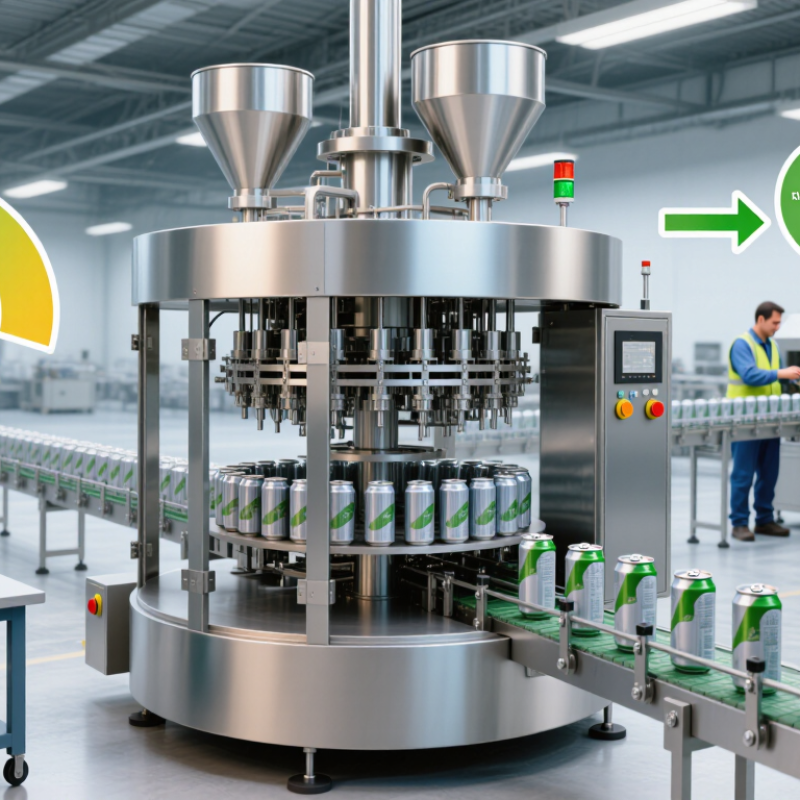
Automatic inline seamers feed cans through several sealing heads and fit steady, higher-volume production. Rotary systems can increase throughput, but they need reliable upstream filling and feeding. A jam can stop the whole line. It is easy to buy speed before confirming the actual bottleneck; that choice deserves a second look. Match machine settings and tooling to can diameter, height, and material, then test with your own containers.

For products needing reduced oxygen exposure, some machines offer vacuum or gas-flushing options. These add process complexity, so verify the required atmosphere and seam performance with qualified testing. The need for dependable packaging is real: FAO reported that 13.2% of food was lost between harvest and retail in 2021. The Can Manufacturers Institute and Aluminum Association reported a 43% U.S. aluminum beverage-can recycling rate for 2023. These figures do not prove a particular sealer prevents waste, but they underline why sound packaging and material compatibility matter. Check the supplier’s seam specifications, service support, and trial results before choosing.

Key Factors to Evaluate When Choosing a Can Sealer

Choosing a can sealer starts with the can, not the machine. Measure diameter, height, material, and lid style for every product you plan to run. A seamer suited to aluminum may not handle steel containers or unusual coatings reliably. Check the stated operating range, then test your actual cans. Small differences matter.

Production capacity should reflect a normal shift, not a best-case speed on a brochure. Estimate cans per minute while accounting for loading and changeovers. Ask how quickly operators can adjust settings for another can size. Watch a trial run. Listen for uneven cycles, inspect several seams, and check that filled cans remain leak-resistant after handling. A quick visual check is not enough. It is easy to overfocus on speed; that can be a mistake.

Seam quality deserves close attention. Request setup guidance and clear inspection criteria, including measurements for seam thickness and overlap. Evaluate cleaning access, safety guarding, spare-part availability, and routine maintenance time. A compact unit may save floor space but restrict access around the chuck. Consider power needs and operator training, too. Even a tidy checklist can miss a real bottleneck. Ask what technical support is available after delivery, and test the machine with your product before committing.

How to Compare the Best Can Sealing Machines in 2026

When comparing can sealing machines in 2026, start with your actual cans, lids, and daily production target. A machine that performs well with one container size may need adjustments for another. Ask for a trial using your own containers. Check the sealed edges for consistent overlap, tightness, and visible defects. Small details matter.

Compare usable speed, not just the headline rate. Track how long changeovers take, how easily operators can adjust settings, and how often the machine needs cleaning or maintenance. Test several runs, including after a size change. Keep notes on jams, rejected cans, and setup time. A short demonstration can miss the awkward parts.

Also consider available floor space, power requirements, spare-part access, and operator training. Request written specifications and sample-run results, then confirm they match your production needs. I would not choose on speed alone; a slower machine may waste less material and require fewer interruptions. Still, no scorecard captures every shift. Real production can be messy, and that uncertainty deserves a place in your comparison.

2026 Best Can Sealing Machine for Your Business

Compare Standard Can-End Diameters When Choosing a Sealer

Can-end size codes correspond to nominal diameters in sixteenths of an inch. Use this chart to check whether a machine’s chuck and tooling match your cans. Actual dimensions can vary, so confirm compatibility with the can and end specifications before purchasing.

Installation, Operation, and Maintenance for Reliable Sealing

2026 Best Can Sealing Machine for Your Business

A reliable can sealer starts with a stable, level installation. Place it on a solid surface, away from washdown spray and heavy vibration. Check that power and air supplies match the machine’s specifications. Leave enough room to load cans and open guards without awkward reaching. Small details matter.

Before production, run a few test cans using the intended container and lid. Adjust settings only as directed in the operating manual. Inspect the seams for consistent overlap, tightness, and visible damage. A seam gauge can help trained operators check results more objectively. Record the setup and sample checks. It is tempting to skip this step during a busy shift, but that is when small defects can go unnoticed.

At shift end, disconnect power before cleaning or servicing, following the machine’s safety instructions. Remove product residue with suitable cleaning materials, and keep water away from electrical components. Inspect rollers, chuck, guards, and fasteners for wear or looseness. Replace damaged parts before returning the sealer to production. Maintenance logs may feel tedious, but they help reveal recurring problems and make handovers clearer. Regular care is not glamorous. It is dependable.